
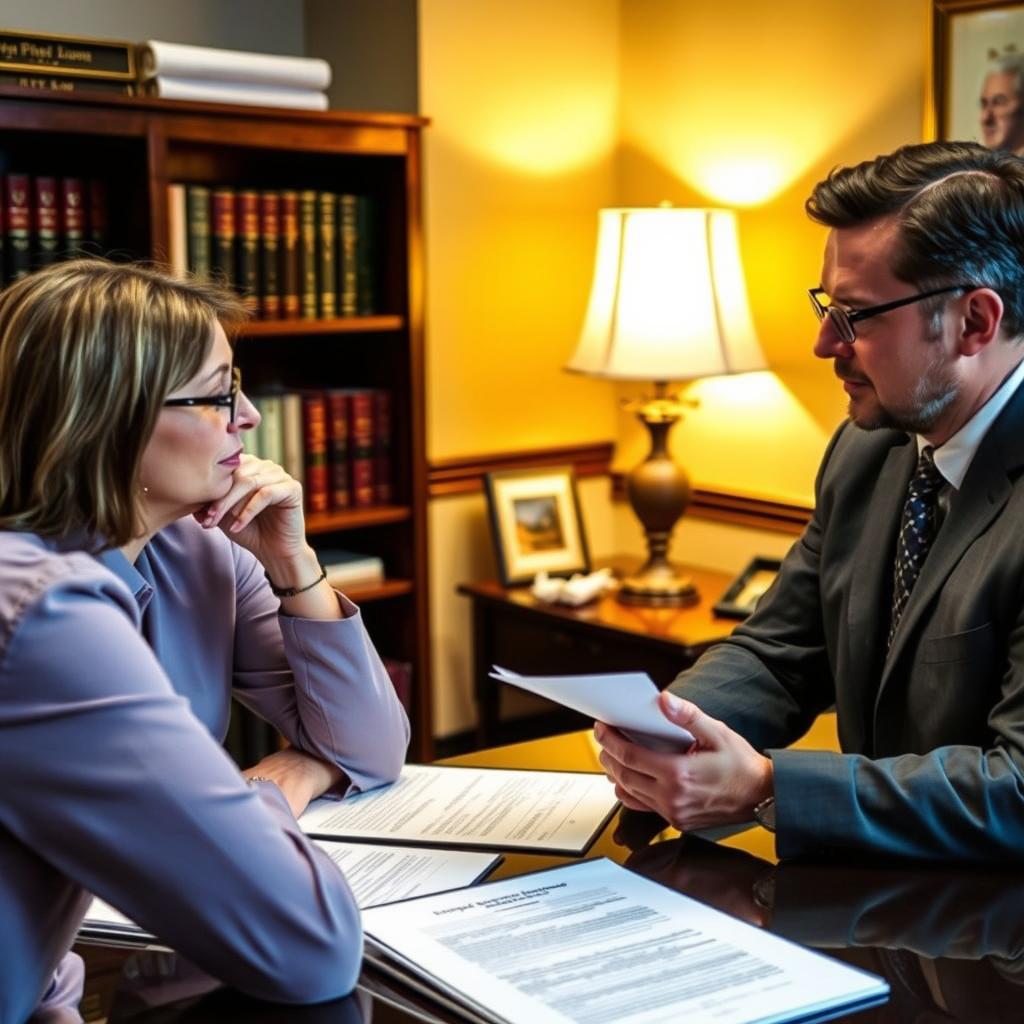
Visitation Modification Lawyer Fluvanna County, VA
When an existing visitation order no longer works for a child or a parent, seeking a modification in Fluvanna County requires a clear showing of changed circumstances and a focus on the child’s best interests. Our Shenandoah Location, at 505 N Main Street, Suite 103, Woodstock, Virginia 22664, serves families in Palmyra, Fork Union, Lake Monticello, and throughout Fluvanna County. The Fluvanna County Juvenile and Domestic Relations District Court handles standalone visitation and custody modifications, while the Fluvanna County Circuit Court hears modifications within a divorce or equitable distribution proceeding. The process is governed by Virginia Code § 20‑124.2 and related custody provisions. Mr. Sris, Owner and Founder of Law Offices Of SRIS, P.C., and his Of Counsel team appear regularly in these courts. Whether the issue involves relocation, a parent’s change in circumstances, or concerns about the child’s welfare, a well‑prepared presentation is essential. To discuss your visitation modification matter, reach our location at (888) 437‑7747. Law Offices Of SRIS, P.C. – Advocacy Without Borders.
What Visitation Modification Means in Fluvanna County, Virginia
In Fluvanna County, visitation modification is not a routine procedural adjustment. The court applies the “best interests of the child” framework set out in Virginia Code § 20‑124.3, and a parent seeking to change an existing order must demonstrate a material change in circumstances since the last order. The Fluvanna County Juvenile and Domestic Relations District Court, located at 72 Main Street, Suite B, Palmyra, Virginia 22963, hears initial petitions for modification when the matter is not part of an active divorce case. Mr. Sris and his Of Counsel understand that the judges in the Sixteenth Judicial District expect concrete, verifiable evidence of the change — not merely a parent’s dissatisfaction with the current schedule.
Because Fluvanna County includes rural areas around Palmyra and Fork Union as well as the Lake Monticello community, logistical issues such as travel distance between homes, school enrollment changes, and work schedule shifts often become central to modification arguments. The court may also consider the child’s age, the relationship each parent has fostered, and any history of family abuse. A property settlement agreement or prior order that addressed visitation does not lock the arrangement in place permanently; Virginia law permits revisiting the order when circumstances genuinely shift. Our Shenandoah Location serves clients who need to present these changes clearly and persuasively before the court.
How Mr. Sris and His Of Counsel Handle Visitation Modification Cases
Mr. Sris and his Of Counsel begin by evaluating whether the facts demonstrate a material change that a Fluvanna County court is likely to recognize. They work with clients to identify the specific events — such as a parent’s relocation, a significant change in the child’s needs, or interference with the existing visitation schedule — that justify a modification. The team then assembles documentation, including school records, communication logs, and, when appropriate, testimony from individuals who have observed the changed circumstances. Because the modification process often involves negotiation before trial, Mr. Sris and his Of Counsel explore whether a revised parenting plan acceptable to both parties can be reached without a contested hearing.
If a hearing before the Fluvanna County Juvenile and Domestic Relations District Court or the Circuit Court becomes necessary, Mr. Sris and his Of Counsel present the evidence in a manner that addresses the statutory factors under Virginia Code § 20‑124.3. They cross‑examine witnesses, challenge unsupported assertions, and advocate for a visitation structure that serves the child’s well‑being. Throughout the proceeding, the team keeps the client informed of the timeline, which depends on the court’s calendar and the complexity of the dispute. Any modification order entered by the court becomes the new enforceable schedule, and Mr. Sris and his Of Counsel ensure clients understand their ongoing obligations under the revised order.
About Mr. Sris and His Of Counsel Team
Mr. Sris is the Owner and Founder of Law Offices Of SRIS, P.C. He is a former prosecutor and has concentrated his practice on family law matters, including visitation and custody modifications, since founding the firm in 1997. Mr. Sris and his Of Counsel bring over 120 years of combined legal experience. Results may vary. The Of Counsel attorneys who support visitation modification cases in Virginia are experienced family law litigators who appear regularly in courts across the Commonwealth, including the Fluvanna County Juvenile and Domestic Relations District Court and the Fluvanna County Circuit Court. Mr. Sris and his Of Counsel have documented 4,739+ case results firm‑wide across all practice areas. Results may vary.
Frequently Asked Questions
What is a visitation modification in Virginia?
A visitation modification is a court‑approved change to an existing order that governs when and how a non‑custodial parent spends time with a child. In Virginia, a parent, guardian, or other person with a legitimate interest may petition the court to revise visitation terms when there has been a substantial change in circumstances that affects the child’s best interests. The change may involve adjusting the schedule, adding or removing supervised visitation, or addressing relocation issues. The court will evaluate the proposed modification under Va. Code § 20‑124.2 and the trusted‑interests factors in § 20‑124.3. The process requires filing a motion in the appropriate Fluvanna County court and presenting evidence to support the request.
What constitutes a material change in circumstances for visitation modification in Fluvanna County?
A material change in circumstances is a significant, unanticipated event that affects the child’s welfare and makes the existing visitation plan no longer suitable. Examples include one parent’s relocation, a change in the child’s medical or educational needs, a parent’s remarriage and the introduction of new household members, or a parent’s consistent failure to follow the existing schedule. The Fluvanna County Juvenile and Domestic Relations District Court examines whether the change is substantial enough to warrant judicial intervention. Minor disagreements or everyday parenting disputes generally do not satisfy the threshold. A parent seeking modification should document the changed facts thoroughly, because the court will compare the current situation to the circumstances that existed when the last order was entered.
Do I need a lawyer to modify a visitation order in Fluvanna County?
You are not legally required to have a lawyer, but an experienced family law attorney can help you gather the necessary evidence and present a persuasive case to the court. Visitation modification hearings involve rules of evidence and procedure that a self‑represented parent may find challenging. An attorney can identify the strong $1s, cross‑examine the other parent’s witnesses, and ensure your motion complies with local practice in the Fluvanna County Juvenile and Domestic Relations District Court or the Circuit Court. Mr. Sris and his Of Counsel concentrate on family law matters and can advise whether your situation meets the material‑change threshold. For a consultation, reach Mr. Sris and his Of Counsel at (888) 437‑7747.
How does the visitation modification process work in Fluvanna County?
The process begins with filing a motion to modify visitation in the court that issued the original order — typically the Fluvanna County Juvenile and Domestic Relations District Court for standalone cases or the Circuit Court if the order is part of a divorce decree. The moving party must serve the other parent and may request a hearing date. Mediation is available but not mandatory in Virginia family law matters. At the hearing, each side presents evidence of the alleged change in circumstances. The judge applies the trusted‑interests factors and decides whether modification is warranted. An order granting or denying modification is appealable, but the appellate standard is deferential. Working with counsel from the outset helps ensure that the necessary evidence is assembled and that procedural requirements are met.
Can a parent’s relocation be grounds to modify visitation in Virginia?
Yes, a parent’s relocation can be grounds to modify visitation when the move significantly alters the existing parenting‑time arrangement. Virginia law does not automatically assume that a move is a material change; the court evaluates how the relocation affects the child’s relationship with the relocating and the non‑relocating parent. Factors considered include the distance of the move, the reason for the relocation, the child’s ties to the community, and the feasibility of maintaining a meaningful visitation schedule. In Fluvanna County, where families may live substantial distances apart, a relocation across or outside the county may prompt a modification proceeding. The party seeking modification should present a revised parenting plan that accommodates the new distances while protecting the child’s connection with both parents.
How are a child’s preferences considered in a visitation modification case?
The court may consider a child’s reasonable preference if the child is of sufficient age, intelligence, and maturity to express an informed view, but the child’s wishes are only one factor among many. Virginia Code § 20‑124.3 lists age, physical and mental condition, and the relationship with each parent as factors that may intersect with a child’s expressed desire. The judge has discretion in determining how much weight to give the child’s statement. A guardian ad litem may be appointed to represent the child’s interests and offer an independent recommendation. In practice, Fluvanna County judges rarely base a modification solely on a child’s preference; they look for corroborating evidence that the existing visitation plan no longer serves the child’s best interests.
Related family law pages: Family Law Lawyer Fairfax County · Family Law Lawyer Prince William County · Family Law Lawyer Manassas
Virginia primary sources: Virginia Code § 20‑124.2 (visitation rights) · Fluvanna County Combined Courts
Attorney advertising. Prior results do not guarantee a similar outcome.
Results may vary.
Case results depend on a variety of factors unique to each case.