
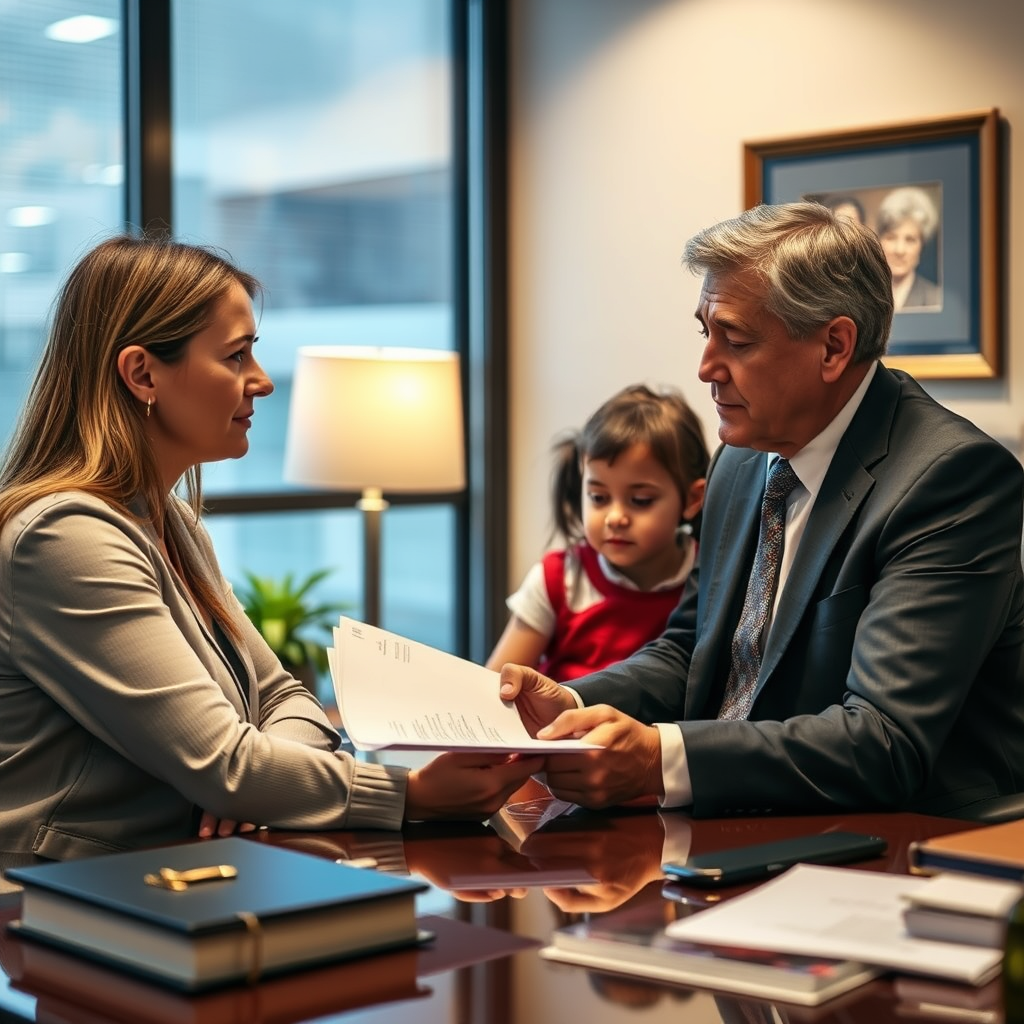
Uncontested Divorce with Children in Virginia: A Direct Path to a Fresh Start
As of December 2025, the following information applies. In Virginia, uncontested divorce with children involves both parents agreeing on all key issues, including child custody, visitation, and support. This path offers a quicker, less confrontational way to dissolve your marriage while prioritizing your children’s well-being. The Law Offices Of SRIS, P.C. provides dedicated legal representation for these matters.
Confirmed by Law Offices Of SRIS, P.C.
What is Uncontested Divorce with Children in Virginia?
An uncontested divorce with children in Virginia means you and your spouse agree on everything regarding your separation, especially crucial decisions about your kids. This includes child custody, visitation schedules, child support, and how you’ll split your property and debts. When you’re in agreement, it simplifies the court process significantly, allowing for a more amicable and often faster resolution than a contested divorce. It’s about working together, even as you part ways, to ensure your children have a stable future.
Takeaway Summary: An uncontested divorce with children in Virginia happens when both parents agree on all aspects of their separation and co-parenting. (Confirmed by Law Offices Of SRIS, P.C.)
Getting a divorce is tough, even when you both agree. Adding children to the mix can feel overwhelming, but it doesn’t have to be. In Virginia, an uncontested divorce with children offers a more peaceful and efficient route to dissolving your marriage. It means you and your spouse have managed to find common ground on all the big decisions – from where the kids will live to how you’ll share financial responsibilities. This shared understanding can save you time, stress, and money, allowing you to focus on what truly matters: your children’s well-being and a positive transition for your family.
We understand that even an “amicable” divorce still comes with its own set of emotions and questions. You’re not just ending a marriage; you’re reshaping your family dynamic. That’s why having knowledgeable legal counsel is so important. Law Offices Of SRIS, P.C. is here to guide you through the Virginia uncontested divorce process, ensuring all the legal boxes are checked and your agreements are solid and enforceable. We’re here to give you clarity and peace of mind.
How to Get an Uncontested Divorce with Children in Virginia? Your Step-by-Step Guide
When you and your spouse are on the same page about ending your marriage and have already worked out key issues concerning your children, the process of an uncontested divorce in Virginia can be streamlined. Here’s a look at the typical steps involved:
Meet Virginia’s Residency and Separation Requirements
Before you can even file for divorce, Virginia has specific criteria you must meet. One spouse needs to have lived in Virginia for at least six months prior to filing. More importantly, you and your spouse must have lived separate and apart without cohabitation and without any intent of reconciliation for a continuous period. If you have minor children, this separation period must be at least one year. If you don’t have minor children and have a signed separation agreement, the period is six months. This separation period is non-negotiable and essential for the court to grant your divorce.
Create Comprehensive Virginia Uncontested Divorce and Child Custody Agreements
This is where the “uncontested” part really shines. You and your spouse need to reach full agreement on all major issues. For families with children, this means crafting detailed Virginia uncontested divorce and child custody agreements. These agreements must cover physical custody (where the children live), legal custody (how decisions are made for them), and a clear visitation schedule (when each parent spends time with the children). It’s not just about who gets the kids; it’s about establishing a framework for successful co-parenting moving forward. These agreements should be thorough, leaving little room for future dispute.
Develop a Thorough Parenting Plan for Virginia Uncontested Divorce
Beyond custody and visitation, a parenting plan is a living document that outlines how parents will cooperate on day-to-day decisions and future events. This plan should detail everything from school choices, extracurricular activities, healthcare decisions, and even holiday and vacation schedules. A well-crafted parenting plan for Virginia uncontested divorce helps prevent misunderstandings and provides a roadmap for co-parenting, offering stability for your children. It reflects your commitment to their well-being, even as your marital relationship ends. This plan becomes a part of your final divorce decree.
Address Child Support in an Amicable VA Divorce
Calculating child support in an amicable VA divorce involves applying Virginia’s statutory guidelines. These guidelines consider both parents’ incomes, the number of children, and certain expenses like health insurance premiums and childcare costs. Even in an uncontested situation, it’s wise to have legal counsel review these calculations to ensure they’re accurate and fair. While you can agree to deviate from the guidelines in specific circumstances, the court must approve any deviation, ensuring it serves the best interests of the children. A clear agreement on child support prevents financial disagreements down the road.
Prepare and File Your Divorce Papers
Once all agreements are finalized, the legal paperwork begins. This involves drafting a Complaint for Divorce, along with your Property Settlement Agreement and Parenting Plan. These documents must be meticulously prepared to meet all Virginia legal requirements. One spouse, known as the “Plaintiff,” files the Complaint with the appropriate Circuit Court. The other spouse, the “Defendant,” will then be served with the papers. In an uncontested case, the Defendant will typically sign a waiver of formal service, simplifying this step considerably. Accuracy is key here; errors can cause significant delays.
Complete the Service of Process (or Waiver)
After the Complaint is filed, the Defendant must be formally notified. In a simple divorce process with minor children in VA, if both parties are cooperating, the Defendant can sign an Acceptance of Service or Waiver of Service. This eliminates the need for a sheriff or private process server, making the process faster and less adversarial. If the Defendant refuses to sign the waiver, traditional service methods would be necessary, but this is uncommon in truly uncontested cases. This step ensures both parties have received proper legal notice of the divorce proceedings.
Attend a Brief Court Hearing (If Required) or Submit an Affidavit
In many uncontested divorces in Virginia, a full court hearing might not be necessary, especially if you have an attorney assisting with the affidavit process. Instead, you might submit an affidavit that affirms your agreements and the grounds for divorce. However, sometimes a brief hearing is scheduled to allow a judge to review your documents and ensure everything is in order, particularly concerning the children’s best interests. This is usually a short, straightforward appearance designed to confirm the agreements you’ve already reached. This is the final step where the judge grants the divorce.
Real-Talk Aside: While it sounds like a lot of steps, the beauty of an uncontested divorce is that you’re moving forward together. You’re not fighting; you’re agreeing. That makes all the difference in how smoothly and quickly these steps unfold.
Can I Pursue an Uncontested Divorce in Virginia with Complex Assets, Military Service, or Retirement Accounts?
Yes, absolutely. Even if your marital assets seem complex, or one spouse is in the military, an uncontested divorce in Virginia is often still an achievable goal. The key remains mutual agreement. While these situations certainly add layers to the process, they don’t automatically push you into a contested battle if both parties are committed to finding solutions.
Military Uncontested Divorce in Virginia
Military divorces come with unique considerations, such as the Servicemembers Civil Relief Act (SCRA), which can impact legal proceedings, and specific rules regarding military pensions. However, with careful planning and a willingness to cooperate, a military uncontested divorce in Virginia is entirely possible. You’ll need to understand how military benefits, healthcare, and deployment schedules affect custody and support agreements. Working with legal counsel experienced in military family law is beneficial to ensure all regulations are met and both parties’ rights are respected. We can help you navigate these specific regulations to reach a fair agreement.
Uncontested Divorce with Retirement Accounts in VA
Retirement accounts, like 401(k)s, IRAs, and military pensions, are often significant marital assets. Dividing them requires specific legal orders, such as a Qualified Domestic Relations Order (QDRO) for certain plans, to avoid penalties and ensure proper transfer. An uncontested divorce with retirement accounts in VA means you’ve both agreed on how these assets will be split. Your agreement will need to be precise, detailing percentages or specific amounts, to be enforceable. It’s important to remember that simply stating “we’ll split the 401(k)” isn’t enough; the legal mechanisms must be in place to make that happen without triggering unwanted tax implications.
How to Manage Real Estate in a Virginia Simple Divorce
Real estate, particularly the marital home, is another common source of complexity. In a Virginia simple divorce, if you both agree, you can decide to sell the property and split the proceeds, or one spouse can buy out the other’s interest. You might also agree for one spouse to remain in the home for a set period, especially if it benefits the children, before selling or transferring ownership. Clearly outlining these decisions in your property settlement agreement, including timelines and responsibilities for mortgage payments and upkeep, is essential. Again, mutual agreement on how to manage real estate is the foundation for keeping the divorce uncontested.
Blunt Truth: Just because it’s complex doesn’t mean it has to be a fight. It means you need clear agreements and precise legal documents. That’s where we come in.
Please note: While Law Offices Of SRIS, P.C. has a strong record of success in family law matters, we do not have specific anonymized case results for “Uncontested divorce with children Virginia” at this time to include in this content. However, our experienced team regularly represents clients in similar situations.
Why Hire Law Offices Of SRIS, P.C. for Your Uncontested Divorce in Virginia?
Choosing the right legal representation for your uncontested divorce in Virginia is about more than just finding someone who understands the law; it’s about finding a team that truly gets what you’re going through. At Law Offices Of SRIS, P.C., we’re committed to making this challenging transition as smooth as possible for you and your family.
As Mr. Sris, our founder, states: “My focus since founding the firm in 1997 has always been directed towards personally managing the most challenging family law matters our clients face.” This dedication to our clients’ unique situations means we don’t just process paperwork; we provide empathetic, direct, and reassuring guidance. We help you define clear, fair agreements that stand the test of time and prioritize your children’s best interests.
We are seasoned legal professionals, not just practitioners. We listen to your concerns, offer practical solutions, and ensure your final divorce decree accurately reflects your agreements. We simplify the legal jargon and the procedural requirements, so you can focus on building your new future. Our goal is to ensure your uncontested divorce is truly uncontested from a legal standpoint, protecting you from future disputes.
If you’re ready to move forward with a Virginia uncontested divorce with children, or if you simply have questions and need some straightforward answers, we’re here to help. We offer confidential case reviews to discuss your situation and outline how we can assist you.
Law Offices Of SRIS, P.C. in Virginia is located at:
4008 Williamsburg Court
Fairfax, VA, 22032, US
Call us today at +1-703-636-5417.
Call now for a confidential case review and let us guide you toward a fresh start.
Frequently Asked Questions About Uncontested Divorce with Children in Virginia
Q: How long does an uncontested divorce with children typically take in Virginia?
An uncontested divorce with children in Virginia generally takes at least one year and one day from the date you begin your physical separation. The court process itself, once filed, can often be finalized within a few weeks to a few months, depending on court dockets and how quickly paperwork is processed. Agreement speeds things up significantly.
Q: Do we both need lawyers for an uncontested divorce in Virginia?
While not legally required for an uncontested divorce in Virginia, having separate legal counsel is highly recommended. Each attorney can ensure their client’s rights are protected, agreements are fair, and all legal requirements are met. It helps prevent future disputes and ensures the process is thorough and enforceable.
Q: What if we can’t agree on one small issue during an uncontested divorce?
If you hit a minor snag in an otherwise uncontested divorce in Virginia, consider mediation. A neutral third party can help facilitate communication and guide you toward a resolution. If you absolutely can’t agree, the issue might need to be resolved by a judge, potentially making the divorce partially contested. It’s better to resolve it amicably if possible.
Q: Can we change our child custody agreement after the divorce is final?
Yes, child custody and visitation orders in Virginia are always modifiable. If there’s a material change in circumstances and it’s in the children’s best interests, either parent can petition the court to modify the existing order. This requires demonstrating a significant change since the last order was entered.
Q: How does health insurance for children work in a Virginia uncontested divorce?
Your child support order will typically specify which parent is responsible for providing health insurance for the children. The cost of health insurance is often factored into the child support calculation according to Virginia guidelines. Both parents typically share uninsured medical expenses, often on a pro-rata basis based on income.
Q: What about child support if one parent is unemployed?
Virginia child support guidelines can impute income to an unemployed or underemployed parent if the unemployment is voluntary and not due to disability or other valid reasons. This means the court may calculate support based on what the parent could be earning, rather than actual zero income. Seeking employment is often expected.
Q: Is a separation agreement legally binding in Virginia?
A properly drafted and executed separation agreement in Virginia is a legally binding contract between spouses. While it isn’t a divorce decree, it outlines your agreements on property, support, and children, and the court will generally incorporate it into your final divorce order, making it enforceable.
Q: Can an uncontested divorce protect my children from conflict?
An uncontested divorce, by its very nature, aims to reduce conflict. When parents agree on major issues, children are exposed to less parental discord, fostering a more stable environment during and after the divorce. This amicable approach is often significantly better for children’s emotional well-being compared to a contested process.
The Law Offices Of SRIS, P.C. has locations in Virginia in Fairfax, Loudoun, Arlington, Shenandoah and Richmond. In Maryland, our location is in Rockville. In New York, we have a location in Buffalo. In New Jersey, we have a location in Tinton Falls.
Past results do not predict future outcomes.