
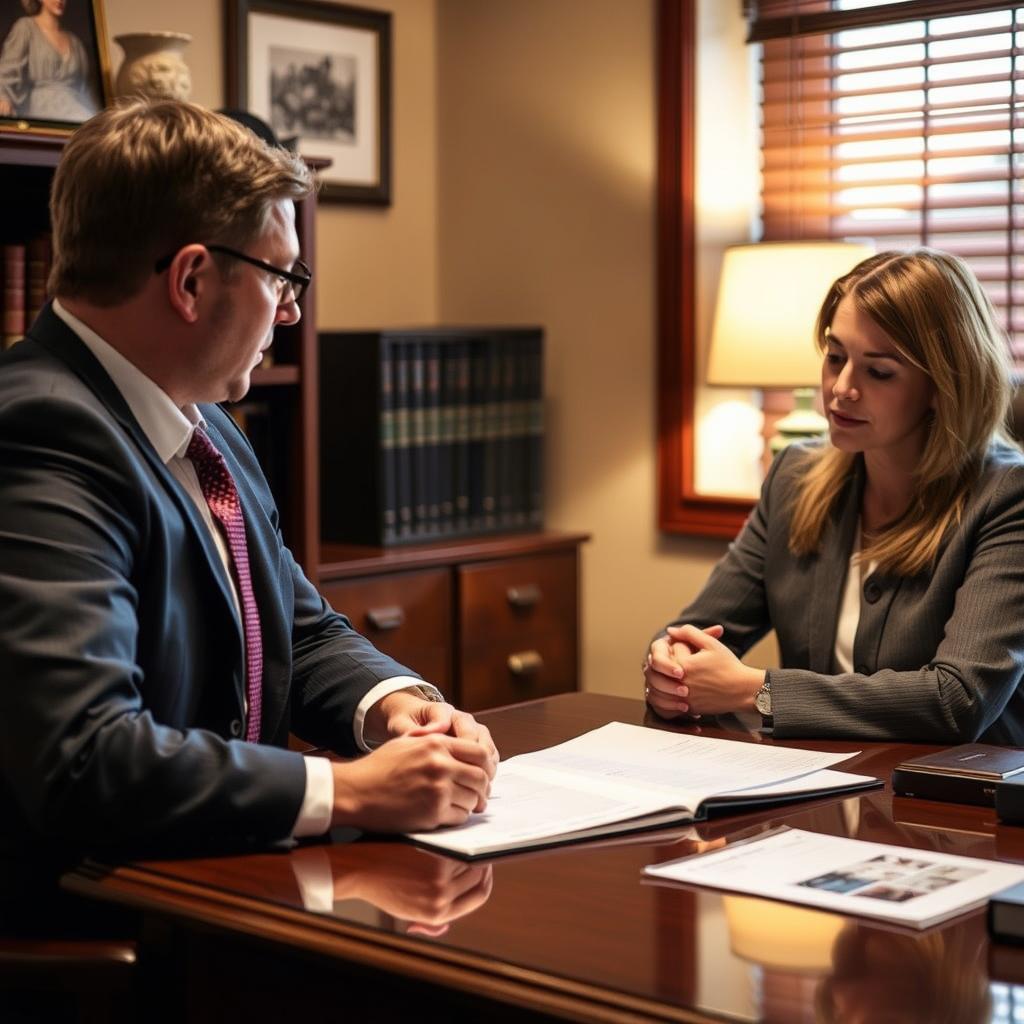
Spousal Support Lawyer Culpeper County
You need a Spousal Support Lawyer Culpeper County to handle the specific legal and financial calculations of your case. Law Offices Of SRIS, P.C.—Advocacy Without Borders. provides direct representation in the Culpeper County Circuit Court. We focus on securing or defending against support orders based on Virginia statutory factors. (Confirmed by SRIS, P.C.)
Statutory Definition of Spousal Support in Virginia
Virginia Code § 20-107.1 governs spousal support, classifying it as a court-ordered monetary payment from one spouse to the other, with no statutory maximum penalty but enforceable by contempt of court. The statute does not provide a simple formula. A judge in Culpeper County has broad discretion to set the amount and duration. The court’s decision is based on a detailed review of statutory factors. These factors are designed to balance need against ability to pay. The goal is to maintain a reasonable standard of living post-divorce. The law aims to prevent one spouse from suffering undue economic hardship. It is not an automatic entitlement in every Virginia divorce case.
What factors determine spousal support in Culpeper County?
A Culpeper County judge considers all statutory factors under Virginia Code § 20-107.1(E). The primary factors are the needs of the requesting spouse and the other spouse’s ability to pay. The court also examines the standard of living established during the marriage. The duration of the marriage is a critical component for longer-term awards. The court reviews the age and physical and mental condition of each party. The contributions each spouse made to the family’s well-being are weighed. This includes monetary earnings and non-monetary contributions as a homemaker. The court assesses the earning capacity and education of both individuals. Property interests and debts of each party are part of the financial picture. The judge will consider the time and cost needed for a spouse to gain training for employment.
How is spousal support different from alimony?
In Virginia, the terms “spousal support” and “alimony” refer to the same legal obligation. Virginia statutes exclusively use the term “spousal support.” The payment is a court-ordered financial support from one spouse to another. It can be ordered pending a divorce or after the divorce is final. The legal principles and factors for calculation remain identical. Some people use “alimony” colloquially, but the legal term is spousal support. Your Virginia family law attorneys will use the correct statutory terminology in court filings.
Can support be modified after the final order?
Yes, a spousal support order in Culpeper County can be modified upon a material change in circumstances. The party seeking modification must file a formal petition with the Circuit Court. A material change is a significant shift in financial need or ability to pay. Examples include involuntary job loss, a substantial increase in income, or serious illness. Retirement may also constitute a material change for review. The court will not modify an order based on trivial or temporary changes. The original order’s language may specify conditions for review or termination. Consulting with a criminal defense representation firm is not appropriate; you need a family law attorney for this civil matter.
The Insider Procedural Edge in Culpeper County
Your case will be heard at the Culpeper County Circuit Court located at 135 West Cameron Street, Culpeper, VA 22701. The court handles all divorce and spousal support matters for the county. Filing a Complaint for Spousal Support initiates the legal process. You must also file a Financial Disclosure Statement outlining your income and expenses. The court requires specific local forms alongside the state-wide cover sheets. Procedural timelines are strict, and missing a deadline can forfeit rights. The court typically sets an initial hearing date within a few months of filing. Contested hearings where parties disagree on facts take longer to schedule. The filing fee for a spousal support complaint is set by Virginia law and county clerk policy. Expect other costs for serving legal papers and obtaining necessary documents.
What is the typical timeline for a spousal support case?
A direct, agreed-upon spousal support case can resolve in a few months. A fully contested case in Culpeper County can take a year or more. The timeline starts when the initial complaint is filed with the Circuit Court clerk. The court’s docket availability significantly impacts scheduling. Discovery, the process of exchanging financial information, can add several months. If mediation is ordered or agreed upon, it can shorten or lengthen the process. A final hearing date depends on court backlogs and complexity. Your attorney’s preparedness can expedite proceedings by meeting all deadlines.
What are the court costs and filing fees?
Filing a complaint for spousal support in Culpeper County requires payment of a court cost. The exact fee should be confirmed with the Culpeper County Circuit Court clerk’s Location. Additional costs include fees for having the sheriff serve legal papers. You may need to pay for subpoenas to obtain financial records from third parties. If the case requires experienced valuation of a business, those costs are separate. Court reporter fees for transcribing depositions or hearings are another potential expense. Some costs may be recoverable from the other party if you prevail.
Penalties & Defense Strategies for Support Orders
The most common penalty for failing to pay spousal support is a judgment for arrears plus interest and being held in contempt of court. Enforcement is serious because the court views non-payment as disregarding its authority. The receiving spouse can file a Show Cause petition against the payor. The court will schedule a hearing where the payor must explain the non-payment. If the payor cannot show a good faith reason, the judge can impose penalties. The court’s primary goal is to secure compliance with its original order.
| Offense / Issue | Penalty / Consequence | Notes |
|---|---|---|
| Non-Payment of Support | Judgment for arrears, interest (6% statutory), court costs, attorney fees. | Arrears accumulate from the missed payment date. |
| Civil Contempt for Non-Payment | Fines, wage garnishment, lien on property, driver’s license suspension, jail time. | Jail is typically used to coerce payment, not as punishment. |
| Failure to Disclose Financials | Sanctions, adverse inferences, dismissal of pleadings, contempt. | The court demands full transparency in financial matters. |
| Fraudulent Transfer of Assets | Undoing of transfer, payment of other party’s fees, contempt findings. | Done to hide assets from support calculation. |
[Insider Insight] Culpeper County prosecutors in juvenile and domestic relations matters are separate from circuit court family law cases. Enforcement of spousal support orders, however, is handled by the circuit court judge. The local legal community is close-knit, and judges expect strict compliance with disclosure orders. Demonstrating a good faith effort to pay, even if partial, is viewed more favorably than complete inaction. Presenting clear documentation of a job loss or medical crisis is critical for defense.
How can a support obligation be defended or reduced?
You defend against or reduce a support obligation by proving a material change in circumstances. You must file a formal petition with the Culpeper County Circuit Court. Documentation is key: provide tax returns, pay stubs, and medical reports. Prove that your income has legitimately decreased through no fault of your own. Demonstrate that the receiving spouse’s need has decreased, perhaps due to cohabitation. Show that the receiving spouse has a higher earning capacity than previously presented. Argue that the original order was based on inaccurate financial information. An experienced our experienced legal team member can identify the strongest argument for your situation.
Why Hire SRIS, P.C. for Your Culpeper County Case
Our lead family law attorney for Culpeper County has over a decade of focused experience in Virginia support cases. This attorney has argued spousal support factors before multiple Virginia circuit court judges. We understand the local expectations of the Culpeper County bench. Our approach is to prepare every case as if it will go to a contested hearing. We gather financial documentation thoroughly during the discovery phase. We use this evidence to build a compelling narrative of need or ability to pay. We advise clients on realistic outcomes based on local precedent. Our goal is to achieve a fair resolution without unnecessary litigation when possible.
Primary Attorney: The attorney handling family law matters for SRIS, P.C. in Culpeper County is well-versed in Virginia Code Title 20. This attorney’s practice is dedicated to divorce and support issues. They have represented both payors and recipients of spousal support. This dual perspective provides a strategic advantage in negotiations and court. The attorney’s credentials include membership in the Virginia State Bar family law section. They are familiar with the procedural preferences of the Culpeper County Circuit Court.
What specific experience does the firm have in Culpeper County?
SRIS, P.C. has represented clients in Culpeper County in family law matters. Our attorneys have appeared in the Culpeper County Circuit Court for support hearings. We have negotiated settlements in cases involving local business owners and professionals. We have handled modifications of support orders originating in Culpeper County. Our familiarity with local procedure avoids unnecessary delays. We know the required forms and filing protocols for this specific court.
Localized FAQs for Spousal Support in Culpeper County
How long does spousal support last in Virginia?
Virginia law sets no fixed duration; it depends on marriage length and statutory factors. Support can be temporary, rehabilitative, or permanent in long-term marriages. The Culpeper County judge decides the term during the final divorce hearing.
Is spousal support taxable in Virginia?
For divorces finalized after 2018, spousal support is not deductible by the payor. The recipient does not include it as taxable income per federal law. State tax treatment follows the federal guidelines.
Can I get spousal support if I was not legally married?
No, Virginia spousal support statutes apply only to parties in a legal marriage. Cohabitation without a marriage license does not create a support obligation. Palimony is generally not recognized under Virginia law.
What happens if my ex-spouse moves out of state?
An out-of-state move complicates enforcement but does not terminate the order. The Uniform Interstate Family Support Act (UIFSA) allows Virginia to enforce orders across state lines. You may need to register the order in the new state for enforcement.
How is spousal support calculated if one spouse is self-employed?
The court scrutinizes the self-employed spouse’s true income and business expenses. The judge may impute income based on business assets and lifestyle. Forensic accounting may be necessary to determine accurate cash flow.
Proximity, CTA & Disclaimer
Our Culpeper County Location serves clients throughout the county and surrounding areas. The Culpeper County Circuit Court is centrally located in the town of Culpeper. Procedural specifics for Culpeper County are reviewed during a Consultation by appointment. Call 24/7 to discuss your spousal support matter with our team. We provide direct legal guidance for cases in this jurisdiction.
Consultation by appointment. Call [phone]. 24/7.
Past results do not predict future outcomes.