
Note: This article is confirmed by Law Offices Of SRIS, P.C.
WRITTEN BY: Mr. Sris
Since 1997, Mr. Sris has led the firm, focusing on the most challenging criminal and family law cases. His background in accounting and information management aids in financial and technology-related cases. Involved in significant legislative changes in Virginia. My focus since founding the firm in 1997 has always been directed towards personally handling the most challenging and involved criminal and family law matters our clients face.
separation agreement lawyer Falls Church VA
What is a separation agreement
When spouses decide to live separately but remain legally married, a separation agreement creates the necessary legal framework. This document functions as a contract that both parties sign, detailing how they will manage their affairs during the separation period. It addresses practical matters like who will live in the marital home, how bills will be paid, and how parenting responsibilities will be shared.
Creating this agreement involves several steps. First, both spouses need to disclose their complete financial information. This includes income, assets, debts, and expenses. Full transparency is vital for fair negotiations. Next, discussions focus on dividing marital property, determining spousal support if needed, and establishing parenting plans for any children. Each section requires careful consideration of current circumstances and potential future changes.
Legal strategies for these agreements emphasize protection of individual rights. The document should include provisions for modification if circumstances change significantly. It should also specify what happens if one party violates the terms. Many agreements include mediation clauses requiring dispute resolution before court action. Proper drafting ensures the agreement withstands legal scrutiny if challenged later.
Professional guidance helps ensure the agreement meets Virginia legal standards. Virginia law has specific requirements for separation agreements to be enforceable. The document must be in writing, signed by both parties, and notarized. It should not contain unfair or unconscionable terms. Courts generally uphold properly executed agreements unless there is evidence of fraud, duress, or material mistake.
How to create a separation agreement
The process of creating a separation agreement follows a structured approach. Initial preparation involves gathering all relevant financial documents. This includes tax returns, bank statements, investment accounts, mortgage documents, credit card statements, and retirement account information. Both parties should create comprehensive lists of assets and debts acquired during the marriage. This foundation enables informed negotiations about division of property and financial responsibilities.
Negotiation represents the core phase where terms are established. Discussions typically address several key areas: division of marital property, allocation of marital debts, spousal support arrangements, and parenting plans if children are involved. Property division considers both tangible assets like homes and vehicles and intangible assets like retirement accounts and business interests. Debt allocation examines credit card balances, loans, and other financial obligations. Support calculations consider income disparities and living standards.
For families with children, parenting arrangements require particular attention. The agreement should specify legal custody (decision-making authority), physical custody (living arrangements), and visitation schedules. It should address holiday and vacation schedules, transportation responsibilities, and communication methods. Child support calculations follow Virginia guidelines based on parental incomes, childcare costs, and health insurance expenses. These provisions aim to maintain stability for children during the separation period.
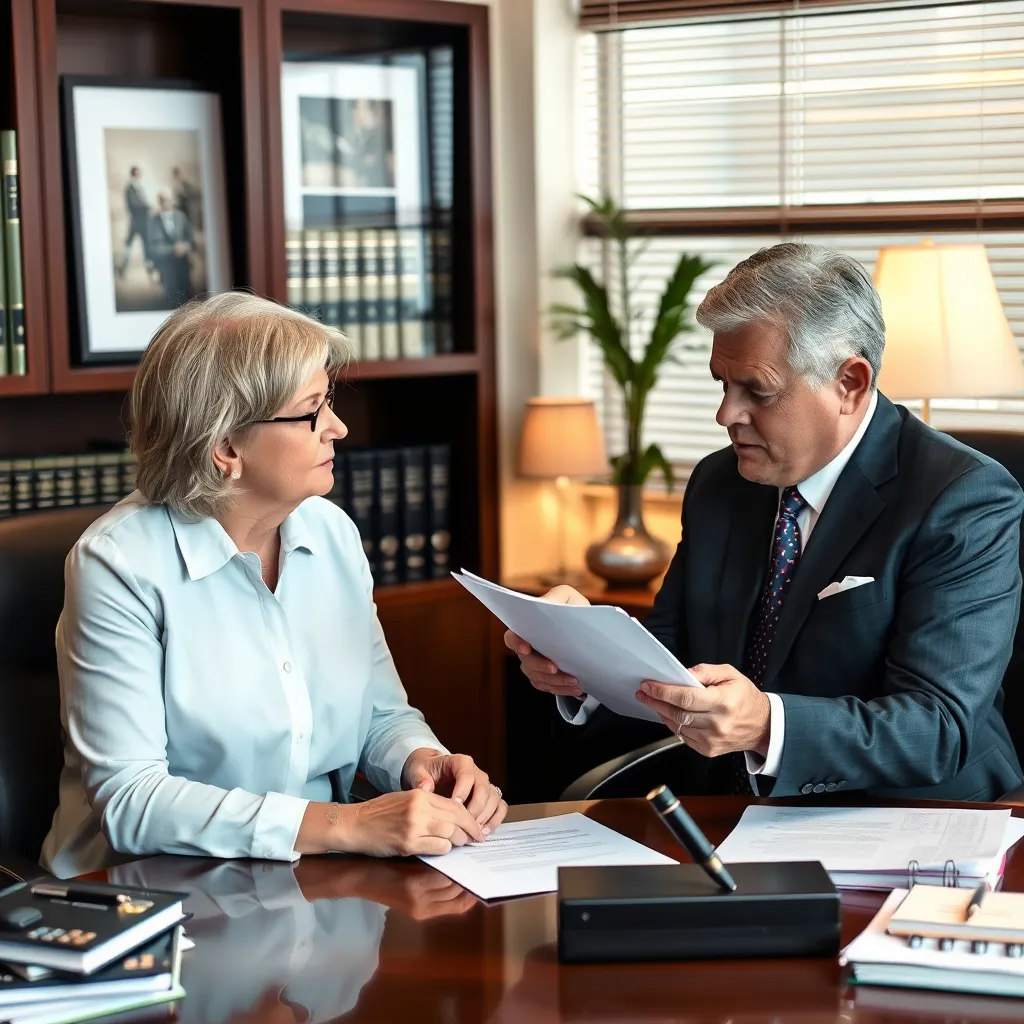
Drafting and execution form the final stages. Once terms are agreed upon, an attorney prepares the formal document. Both parties should have their own legal counsel review the agreement before signing. This independent review ensures each person understands their rights and obligations. The final document requires signatures from both spouses and notarization. Proper execution creates a legally binding contract enforceable in Virginia courts.
Can I modify a separation agreement
Modification of separation agreements depends on the specific terms included in the original document and changes in circumstances. Many agreements contain provisions allowing for modification by mutual written consent. This approach requires both spouses to agree to the changes and execute an amendment to the original agreement. Such amendments should follow the same formalities as the initial agreement, including legal review and notarization.
When mutual consent cannot be reached, court intervention may be necessary. Virginia courts can modify certain provisions of separation agreements under specific conditions. Financial provisions like spousal support may be modified if there is a material change in circumstances. This could include significant income changes, job loss, disability, or retirement. Courts examine whether the change was foreseeable when the agreement was made and whether it substantially affects the support arrangement.
Parenting and child-related provisions often have different modification standards. Courts prioritize the best interests of the child when considering changes to custody or visitation arrangements. Modifications might be warranted if a parent relocates, if the child’s needs change with age, or if there are concerns about the child’s welfare. Child support modifications follow Virginia guidelines and typically require a substantial change in circumstances, usually defined as a 15% or greater change in the support amount.
Property division provisions generally cannot be modified after the agreement is finalized. Once marital property is divided and transferred according to the agreement, those terms are typically permanent. This underscores the importance of careful consideration during initial negotiations. Some agreements include review clauses for certain provisions, allowing for periodic reassessment of terms like spousal support duration or amount.
Why hire legal help for separation agreements
Professional legal assistance provides several important benefits when creating separation agreements. First, attorneys understand Virginia’s specific legal requirements for these documents. They ensure the agreement includes all necessary elements and follows proper formatting. This attention to detail prevents situations where courts might find the agreement unenforceable due to technical deficiencies. Legal professionals also stay current with changes in family law that might affect separation agreements.
Attorneys help identify and address issues that individuals might overlook. They consider tax implications of property divisions and support arrangements. They anticipate potential future conflicts and include provisions to address them. For example, they might include clauses about what happens if one party fails to make support payments or violates parenting time arrangements. They also help ensure the agreement complies with other laws, such as bankruptcy regulations or retirement account distribution rules.
Negotiation support represents another key benefit. Attorneys can facilitate discussions between spouses, helping find compromises on difficult issues. They provide objective perspectives on what constitutes fair arrangements based on Virginia law and local court practices. This guidance helps prevent agreements that are overly favorable to one party, which courts might later reject as unconscionable. Attorneys also help manage emotions during negotiations, keeping discussions focused on practical solutions.
Finally, legal representation provides protection if disputes arise later. If one party violates the agreement, having an attorney familiar with the document makes enforcement proceedings more efficient. Attorneys can also assist with modification requests if circumstances change. This ongoing relationship provides peace of mind that someone understands your agreement and can help if problems develop.
FAQ:
1. What does a separation agreement cover?
A separation agreement addresses property division, debt allocation, spousal support, and child-related matters including custody and support.
2. Is a separation agreement legally binding in Virginia?
Yes, properly executed separation agreements are legally binding contracts in Virginia when they meet specific legal requirements.
3. How long does it take to create a separation agreement?
The process typically takes several weeks to months depending on challenge and how quickly both parties provide financial information.
4. Can I create a separation agreement without a lawyer?
While possible, legal guidance is recommended to ensure the agreement meets Virginia requirements and properly protects your rights.
5. What happens if my spouse violates the agreement?
You can seek court enforcement of the agreement terms through legal proceedings for breach of contract.
6. Does a separation agreement lead to divorce?
Not necessarily. Some couples reconcile after separation, while others eventually pursue divorce using the agreement as a foundation.
7. How does a separation agreement affect property rights?
The agreement determines how marital property is divided during separation and may influence final division if divorce occurs.
8. Can spousal support terms be changed later?
Spousal support provisions can often be modified with court approval if circumstances change significantly.
9. What if we have children from previous relationships?
The agreement should address all children in the household, though child support typically follows biological parent guidelines.
10. How much does a separation agreement cost?
Costs vary based on challenge but typically involve attorney fees for drafting, review, and negotiation assistance.
11. Do both spouses need separate lawyers?
While not legally required, each spouse having independent counsel helps ensure both understand the agreement’s implications.
12. What makes a separation agreement invalid?
Agreements may be invalid if obtained through fraud, duress, or if terms are unconscionable under Virginia law.
Past results do not predict future outcomes