
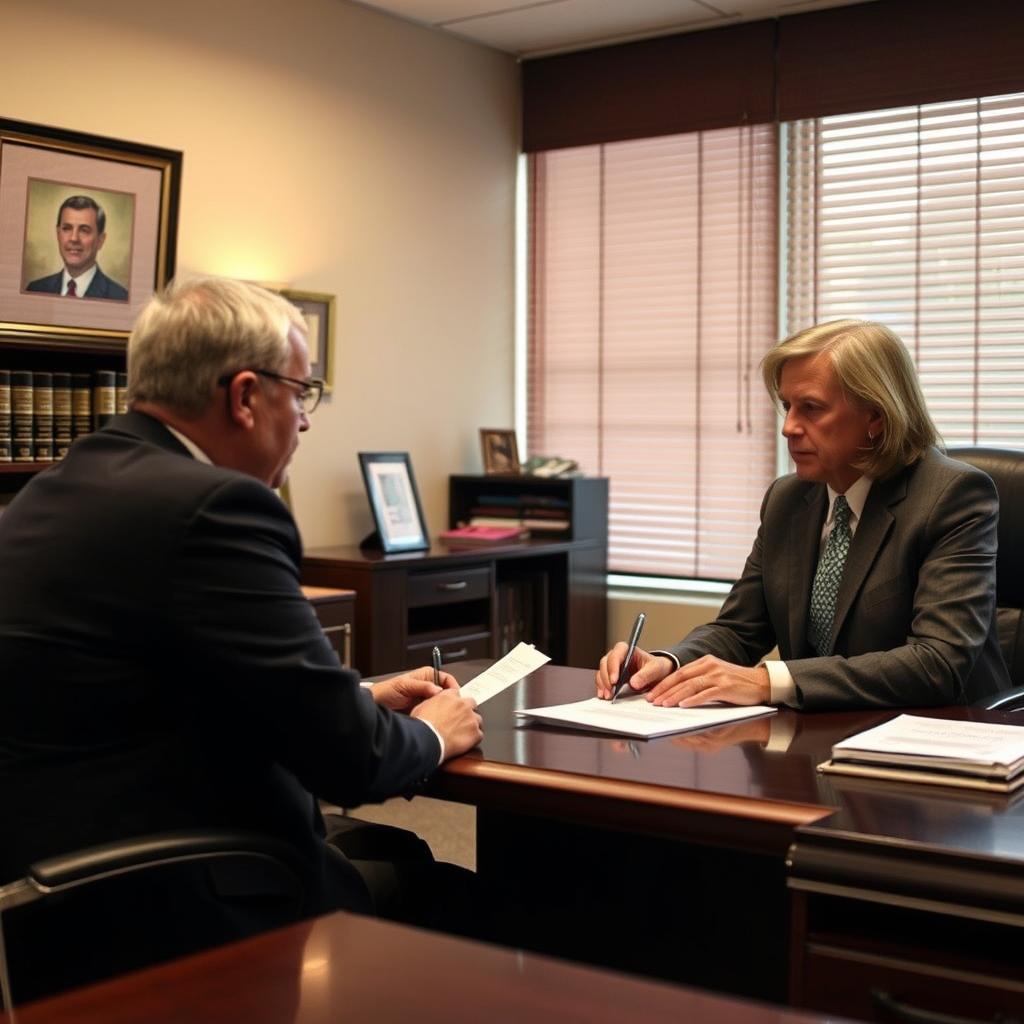
Virginia Divorce Lawyer
When a marriage ends, the legal process in Virginia requires navigating specific grounds, residency rules, and property division frameworks. For individuals considering divorce in the Commonwealth, working with an attorney who understands the procedural landscape can help address both immediate concerns and long-term outcomes. Law Offices Of SRIS, P.C. Concentrates its practice on family law matters, including contested and uncontested divorce, equitable distribution, and related issues. Mr. Sris and the firm’s Of Counsel attorneys represent clients in proceedings across Virginia, from initial filing through final decree. To request a consultation, reach Law Offices Of SRIS, P.C. at (888) 437-7747. Law Offices Of SRIS, P.C. – Advocacy Without Borders.
What Divorce Means in Virginia
Virginia law establishes two categories of divorce: no-fault and fault-based. A no-fault divorce requires that the spouses have lived separate and apart without cohabitation for a statutory period; fault-based grounds—such as adultery, cruelty, desertion, or conviction of a felony—allow a court to grant a divorce without a waiting period if the ground is proven. The Circuit Court for the city or county where either party resides has jurisdiction, provided at least one party has been a Virginia resident for the minimum time prescribed by statute. Divorce litigation also addresses ancillary matters like spousal support, child custody, visitation, and the equitable distribution of marital assets under Va. Code § 20‑107.3. Because each case turns on its specific facts, working with counsel who can identify the most appropriate legal strategy is often a practical necessity.
Under Virginia law, a no-fault divorce based on one year of continuous separation is permitted; if the parties have no minor children and have entered into a signed separation agreement, the period may be reduced to six months.
Source: Va. Code § 20‑91(A)(9). Virginia Code § 20‑91
Reviewed by Mr. Sris, admitted in VA/MD/DC/NJ/NY.
In addition to the grounds for divorce, Virginia courts apply the doctrine of equitable distribution, meaning that marital property is divided fairly—though not necessarily equally. Factors the court considers include the duration of the marriage, each spouse’s contributions, and the circumstances that led to the dissolution. Understanding how local judges apply these factors can inform settlement negotiations and litigation strategy. Mr. Sris and the firm’s Of Counsel attorneys appear in Circuit Courts across the Commonwealth, including in Fairfax County, Richmond, and the surrounding localities, helping clients work toward resolutions that reflect their priorities.
How Mr. Sris and the Firm’s Of Counsel Attorneys Handle Divorce Cases
From the first consultation, the firm focuses on building a clear and realistic legal path. For clients seeking an uncontested divorce, the attorneys prepare and review separation agreements that address property division and support obligations, then guide the matter through the court’s procedural requirements—typically a deposition or affidavit in lieu of a hearing. In contested cases, the firm’s approach includes identifying applicable fault grounds when they exist, preparing discovery requests, and advocating for the client’s position in pendente lite hearings regarding temporary support and custody. Because Virginia divorce procedure does not generally involve jury trials, the bench trial and post-trial motion process are familiar terrain for the firm’s Of Counsel attorneys. Throughout the case, Mr. Sris and the firm’s Of Counsel attorneys can also explore alternative dispute resolution, including settlement conferences and mediation, to narrow issues before trial.
Timelines for a divorce in Virginia vary by the complexity of the issues, the court’s docket, and whether the matter is contested. While a no-fault divorce may proceed once the statutory separation period is satisfied, a fault-based action can move more quickly, assuming the evidence meets the burden of proof. The firm does not promise a specific outcome or timeline; each case unfolds according to its own facts and the court’s scheduling. However, by preparing thoroughly and presenting a well-organized case, the attorneys work to reduce unnecessary delays and to position the client for a favorable resolution.
About Mr. Sris and the Firm’s Of Counsel Attorneys
Mr. Sris, Owner and Founder of Law Offices Of SRIS, P.C., is a former prosecutor who has practiced law since 1997. Admitted in Virginia, Maryland, the District of Columbia, New Jersey, and New York, Mr. Sris brings a multi-state perspective to family law matters that can involve jurisdictional questions. His legislative experience includes testifying before the Virginia House Courts of Justice Committee in support of 2019 HB 635 (chief patron Del. David Bulova). The firm’s Of Counsel attorneys, each with their own areas of concentration, work alongside Mr. Sris on divorce and related family law cases, drawing on diverse professional backgrounds to address the full scope of a client’s needs.
The Of Counsel attorneys at Law Offices Of SRIS, P.C. are experienced in Virginia domestic relations practice and handle matters ranging from simple uncontested dissolutions to complex equitable distribution disputes involving business interests and retirement accounts. Because every case is staffed from the firm’s collective experience, clients benefit from a thorough review of strategy and evidence. Results may vary. To discuss your situation with Mr. Sris and the firm’s Of Counsel attorneys, call (888) 437-7747.
Frequently Asked Questions
Do I need a lawyer to get a divorce in Virginia?
You are not legally required to hire a lawyer to file for divorce in Virginia, but the procedural and financial consequences can be significant without legal guidance. An attorney can help ensure that settlement agreements are enforceable, that statutory residency and separation requirements are met, and that your rights regarding property division and support are protected. In contested cases, self-representation can result in an outcome that does not reflect the full range of available legal arguments.
How long does a divorce take in Virginia?
The time required for a Virginia divorce depends on the type of grounds alleged, the cooperation of the parties, and the court’s calendar. An uncontested no-fault divorce can be finalized shortly after the statutory separation period expires, if all documents are in order. Contested cases involving property disputes, child custody, or fault grounds may extend over several months. For a specific estimate based on your circumstances, contact Law Offices Of SRIS, P.C. at (888) 437-7747.
What is equitable distribution?
Equitable distribution is the legal process by which a Virginia court divides marital property and debt in a divorce based on fairness, not necessarily an equal split. The judge considers factors such as the length of the marriage, each spouse’s financial and non-financial contributions, and the reasons for the breakdown of the marriage. Separate property—assets owned before the marriage or received as a gift or inheritance—generally remains with the titled spouse.
Can I get divorced without going to court?
In many uncontested Virginia divorces, you may obtain a final decree without a formal court hearing if a deposition or affidavit in lieu of testimony is submitted. The parties must have a signed separation agreement resolving all issues and must meet the statutory separation period. Contested matters, however, typically require at least one court appearance for motions or trial. The firm’s Of Counsel attorneys can explain the specific procedure applicable to your case.
How is spousal support determined in Virginia?
Virginia courts may award spousal support after considering the financial needs of the receiving spouse, the paying spouse’s ability to pay, and the statutory factors listed in Va. Code § 20‑107.1. The duration and amount depend on the length of the marriage, each spouse’s earning capacity, and the standard of living established during the marriage. Temporary support may also be ordered while the divorce is pending.
What should I bring to an initial consultation?
To make the first meeting productive, you should gather financial documents, tax returns, and any prenuptial or separation agreements, along with a summary of your family situation. A list of marital assets and debts, information about children, and any existing court orders are also helpful. The attorney can review these materials and discuss the likely direction of your case. For guidance on preparing for your consultation, reach Law Offices Of SRIS, P.C. at (888) 437-7747.
Virginia Divorce Grounds |
Virginia Child Custody Lawyer |
Fairfax Divorce Lawyer |
Virginia Spousal Support Lawyer |
Virginia Property Division Lawyer
Related resources:
Virginia Code Title 20 (Domestic Relations) |
Virginia Circuit Courts |
Virginia Legal Aid
Attorney advertising. Prior results do not guarantee a similar outcome.
Case results depend on a variety of factors unique to each case.
Attorney responsible for this advertising: Mr. Sris.
Results may vary.