
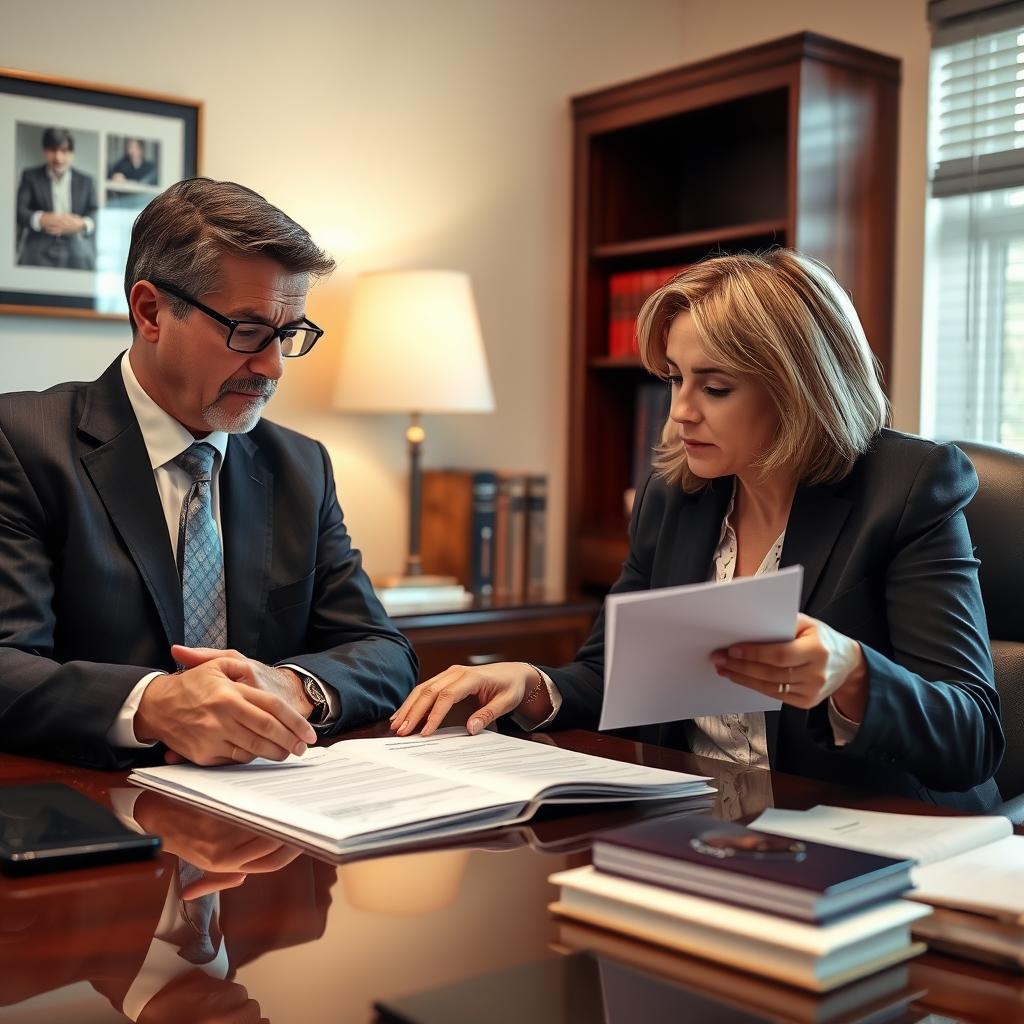
Rehabilitative Alimony Lawyer Prince George County, VA
In Prince George County, rehabilitative alimony—spousal support intended to help a dependent spouse gain education, training, or work experience to become self‑supporting—arises in divorce and separation proceedings before the Prince George County Circuit Court. Virginia Code § 20‑107.1 guides judges in awarding support after weighing factors such as each party’s earning capacity, the duration of the marriage, and the contributions made by both spouses. For individuals seeking or contesting rehabilitative alimony in the Prince George area, working with counsel who understands the local court practices and the framework of Virginia’s equitable distribution system is essential. Mr. Sris and his Of Counsel represent clients throughout Prince George County, from Hopewell to the communities near Fort Gregg‑Adams, in rehabilitative alimony matters. To discuss your situation, call Law Offices Of SRIS, P.C. at (888) 437‑7747. Law Offices Of SRIS, P.C. – Advocacy Without Borders.
What Rehabilitative Alimony Means in Prince George County
Rehabilitative alimony in Virginia is a time‑limited form of spousal support designed to provide the receiving spouse with a bridge to financial independence. Unlike permanent or indefinite support, rehabilitative awards are tied to a concrete plan—completing a degree, obtaining a certification, or entering a new career—and the court expects the recipient to make reasonable progress toward that goal. In Prince George County, the Circuit Court at 6601 Courts Drive hears all spousal support determinations that accompany a divorce, equitable distribution, or separate maintenance action. The county is part of the Eleventh Judicial District, and its bench applies the 13 statutory factors of § 20‑107.1 with attention to the specific economic realities of the region, which includes the James River corridor and the growing residential and commercial areas surrounding the former Fort Lee, now Fort Gregg‑Adams.
Because the Prince George County courts have broad discretion in setting the amount, duration, and conditions of rehabilitative alimony, the outcome of a case often turns on the quality of the evidence presented. Vocational evaluations, testimony about the local job market, and careful financial analysis can influence whether the court orders support at all, how much is ordered, and how long it lasts. Mr. Sris and his Of Counsel bring extensive combined legal experience to rehabilitative alimony proceedings, working to ensure that every hearing and negotiation is grounded in the facts required by the statute. Our Richmond Location—7400 Beaufont Springs Drive, Suite 300, Room 395, Richmond, VA 23225—places us conveniently close to the Prince George courthouse, and we appear regularly before its judges.
How Mr. Sris and His Of Counsel Handle Rehabilitative Alimony Cases
When a spouse requests rehabilitative support, our approach begins with a thorough evaluation of the receiving spouse’s current earning capacity, educational background, and realistic ability to become self‑supporting within a defined period. We examine the marital standard of living, the length of the marriage, and the contributions each party made—financial and non‑financial—to identify whether a rehabilitative award is appropriate and, if so, what amount would serve the statutory purpose without imposing an unjust burden. Because Virginia’s equitable distribution statute interacts closely with spousal support, we also analyze how property division may affect the need for ongoing payments.
Once the facts are organized, we prepare a strategy that may involve negotiation toward a written settlement agreement—often incorporated into a separation agreement—or active litigation before the Circuit Court. We develop evidence packages that can include experienced attorney vocational assessments, budgets, tax projections, and other documentation the court may weigh under § 20‑107.1. Throughout the process, we keep clients informed of the procedural posture of their case, from the initial filing to any pendente lite hearing for temporary support and through final adjudication. Our aim is to achieve a resolution that aligns with the client’s financial goals while complying with Virginia law.
About Mr. Sris and His Of Counsel Team
Mr. Sris, Owner and Founder of Law Offices Of SRIS, P.C., has practiced law since 1997 and is admitted in Virginia, Maryland, the District of Columbia, New Jersey, and New York. A former prosecutor, he brings a disciplined, evidence‑driven perspective to family law matters, including rehabilitative alimony disputes. Mr. Sris testified before the Virginia House Courts of Justice Committee in support of 2019 HB 635 (chief patron Del. David Bulova), a measure that revised the equitable distribution framework. His familiarity with Virginia’s statutory landscape and its practical application in circuit courts across the Commonwealth informs every case the firm handles.
The Of Counsel team at the firm contributes additional knowledge drawn from varied legal and law‑enforcement backgrounds, including former prosecutors and a former Virginia State Trooper. This collective insight helps the firm evaluate alimony claims from multiple angles—assessing financial documents, anticipating opposing arguments, and presenting evidence in a way that reflects the realities of local courtrooms. Mr. Sris and his Of Counsel serve Prince George County from the firm’s Richmond Location, offering consultation by appointment and regular court appearances throughout the Eleventh Judicial District.
Frequently Asked Questions
What factors does a Virginia court consider when awarding rehabilitative alimony?
Under Virginia Code § 20‑107.1, a court considers 13 statutory factors, including each spouse’s earning capacity, financial resources, contributions to the marriage, the duration of the marriage, and the standard of living established during the marriage, to determine whether rehabilitative alimony is appropriate and in what amount. The court places particular weight on the receiving spouse’s ability to become self‑supporting within a reasonable time through education or training. The judge will also consider the paying spouse’s ability to meet his or her own needs while providing support. Because the analysis is fact‑intensive, presenting a clear plan for rehabilitation—or challenging the feasibility of the other spouse’s plan—can significantly affect the outcome.
How can I contest a request for rehabilitative alimony in Prince George County?
A spouse can contest a request for rehabilitative alimony by presenting evidence that the requesting spouse does not need support, already possesses sufficient earning capacity, or has not demonstrated a realistic plan for workforce re‑entry. In Prince George County Circuit Court, the opposing party may introduce vocational assessments, tax records, and testimony about the local job market to show that support is unnecessary or excessive. It is also possible to negotiate a property settlement that reduces or eliminates the need for ongoing payments, as Virginia law allows equitable distribution to be weighed together with spousal support. An experienced attorney can help assemble the evidence and frame the arguments under the § 20‑107.1 factors.
Can rehabilitative alimony be modified after it is ordered in Prince George County?
Yes, rehabilitative alimony may be modified upon a showing of a material change in circumstances, such as a substantial change in income, employment, or the needs of either party. If the recipient is not making adequate progress toward self‑sufficiency, the payor may petition the Prince George County Circuit Court to modify or terminate support. Conversely, if unforeseen circumstances prevent the recipient from becoming self‑supporting despite diligent effort, the court may extend the rehabilitation period. A written agreement that spells out the conditions for modification can provide clarity and reduce future litigation.
Do I need a lawyer for a rehabilitative alimony case in Prince George County?
Individuals are not required to have an attorney, but a lawyer can help ensure that the statutory factors are properly addressed, evidence is presented effectively, and the final order reflects a fair resolution under Virginia law. Rehabilitative alimony cases involve complex financial analysis, vocational evidence, and the interplay of support with property division. Mr. Sris and his Of Counsel appear regularly in Prince George County courts and can advise on whether a settlement or litigation is the better course. For a consultation, reach Law Offices Of SRIS, P.C. at (888) 437‑7747.
Related Family Law pages: Fairfax County Family Law Lawyer | Prince William County Family Law Lawyer | Manassas Family Law Lawyer
Disclaimer: Attorney advertising. Prior results do not guarantee a similar outcome. Results may vary.
Case results depend on a variety of factors unique to each case.