
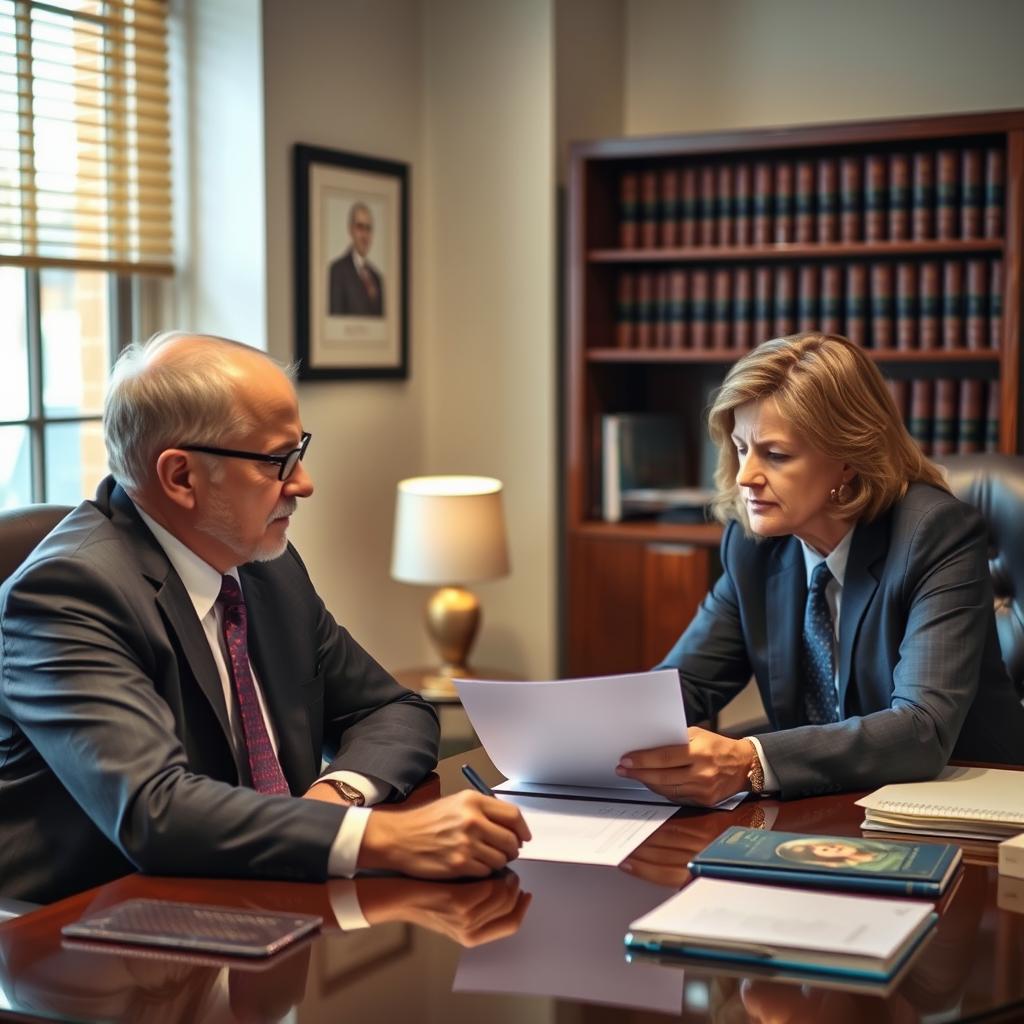
Property Settlement Lawyer Prince George County, VA
You’ve decided to end your marriage. Now you’re staring at the life you built together—the home in Prince George, the retirement accounts, maybe a family business—and the question becomes: who gets what? Virginia’s equitable distribution law means a judge will decide a fair division, not necessarily a 50/50 split, and the outcome can affect your financial future for years. You need someone who listens to your story and guides you through the property‑settlement process with clarity, not confusion. That’s where Mr. Sris and his Of Counsel come in. Call (888) 437-7747 to discuss your situation.
How We Approach Property Settlement Strategy
Mr. Sris and his Of Counsel start by understanding the assets and debts at stake. They work to distinguish marital property—what you and your spouse acquired during the marriage—from separate property, such as pre‑marital assets, gifts, or inheritances. Virginia law (Va. Code § 20‑107.3) lists factors the court must consider, including the length of the marriage, each spouse’s contributions, and the tax consequences of any division. Our team focuses on presenting a clear financial picture and negotiating a settlement that reflects your priorities. When agreement isn’t possible, we prepare thoroughly for litigation before the Prince George County Circuit Court, located at 6601 Courts Drive, Prince George.
What to Expect in a Prince George County Property Settlement Case
The property division part of your divorce proceeds in Prince George County Circuit Court, which has exclusive jurisdiction over divorce and equitable distribution. After the complaint is filed, both sides exchange financial disclosures. Discovery may include appraisals, business valuations, and forensic accounting—especially when a spouse owns a business or there are complex retirement assets. Mediation is available, and many cases resolve without trial. Throughout the process, Mr. Sris and his Of Counsel advocate for a distribution that accounts for both the financial realities and the emotional realities of your divorce. For a full statutory breakdown of Virginia’s equitable distribution laws, see our comprehensive analysis.
About Mr. Sris and His Of Counsel
Mr. Sris, Owner and Founder of Law Offices Of SRIS, P.C., founded the firm in 1997. A former prosecutor, he has decades of courtroom experience and an understanding of how the other side builds a case. He testified before the Virginia House Courts of Justice Committee in support of 2019 HB 635 (chief patron Del. David Bulova), a bill that revised Virginia’s equitable distribution statute as it applies to retirement‑plan payments. Mr. Sris and his Of Counsel team bring substantial collective experience to family law disputes. They serve clients from the firm’s Richmond location, appearing regularly in Prince George County matters. Together, they work to achieve a property settlement that protects your interests.
Frequently Asked Questions
What does a property settlement lawyer do in a Virginia divorce?
A property settlement lawyer helps you identify, value, and divide marital assets and debts under Virginia’s equitable distribution law. The attorney gathers financial records, works with attorneys to value businesses or pensions, negotiates a separation agreement, and represents you in court if needed. In Prince George County, the Circuit Court handles all property division issues alongside the divorce. Law Offices Of SRIS, P.C. – Advocacy Without Borders.
How does Virginia’s equitable distribution law affect property division in Prince George County?
Virginia is not a community property state; it follows equitable distribution, which divides marital property fairly but not always equally. The court considers eleven factors listed in Va. Code § 20‑107.3, such as each spouse’s contributions, the length of the marriage, and the circumstances that led to the divorce. The Prince George County Circuit Court applies these factors to order a distribution that it deems just.
What counts as marital property in Virginia?
Generally, any asset or debt acquired by either spouse during the marriage is marital property, except gifts or inheritances received by one spouse alone. This includes real estate, bank accounts, retirement funds, and business interests. Separate property—owned before the marriage or acquired by gift or inheritance—remains with the original owner if it has not been commingled. Classification can be contested and requires clear documentation.
Can a property settlement agreement be modified after the divorce is final?
Property division terms in a final divorce decree are typically not modifiable, but post‑divorce enforcement or clarification may be possible if a party fails to comply. A separation agreement merged into the decree often becomes a court order. If your ex‑spouse hides assets or refuses to transfer property as agreed, we can seek enforcement in Prince George County Circuit Court. Speak with us at (888) 437-7747 about your specific situation.
What if my spouse is hiding assets during the property settlement process?
If you suspect hidden assets, your attorney can use discovery tools—interrogatories, depositions, subpoenas for financial records, and forensic accounting—to trace them. Intentionally concealing assets can have serious consequences, including sanctions by the court and a less favorable property division for the hiding spouse. Mr. Sris and his Of Counsel are experienced in uncovering undisclosed property.
How does the Prince George County Circuit Court handle property division hearings?
The court holds evidentiary hearings where each side presents testimony, financial documents, and experienced attorney opinions to support their proposed division. The judge decides classification, valuation, and distribution. Procedurally, the court expects full financial disclosure early. While many cases settle before trial, being prepared to litigate strengthens your negotiating position.
Do I need a lawyer for property settlement, or can my spouse and I agree on our own?
You are not required to hire a lawyer, but having an attorney review any agreement before you sign is critical. A privately negotiated deal may not fully account for tax implications, retirement‑plan rules, or future changes in asset values. Mr. Sris and his Of Counsel can help you draft or evaluate a separation agreement to ensure it is enforceable and fair under Virginia law.
How much does a divorce with property settlement cost in Prince George County?
The total cost varies based on whether the case is contested and the complexity of the assets. Prince George County Circuit Court charges a filing fee of approximately $86 for a divorce complaint, plus service‑of‑process costs. Attorney fees depend on the amount of discovery, appraisals, and negotiation required. Call (888) 437-7747 to request a consultation and discuss potential costs.
What should I bring to my initial consultation about property division?
Bring a list of all assets and debts—real estate, bank statements, investment accounts, retirement plan summaries, vehicle titles, and any prenuptial agreement. Also gather recent pay stubs, tax returns, and information about business ownership. The more you provide, the better we can assess your situation. To schedule a meeting, reach Mr. Sris and his Of Counsel at (888) 437-7747.
Explore related family law resources:
Fairfax County Family Law |
Fairfax City Family Law |
Prince William County Family Law |
Manassas City Family Law
Authority sources: Virginia Code Title 20 (Domestic Relations) | Prince George County Circuit Court
Call (888) 437-7747 to request a consultation. Our Richmond location serves clients in Prince George, Hopewell, and throughout the 11th Judicial District.
Attorney advertising. Prior results do not guarantee a similar outcome. Results may vary.
Case results depend on a variety of factors unique to each case.