
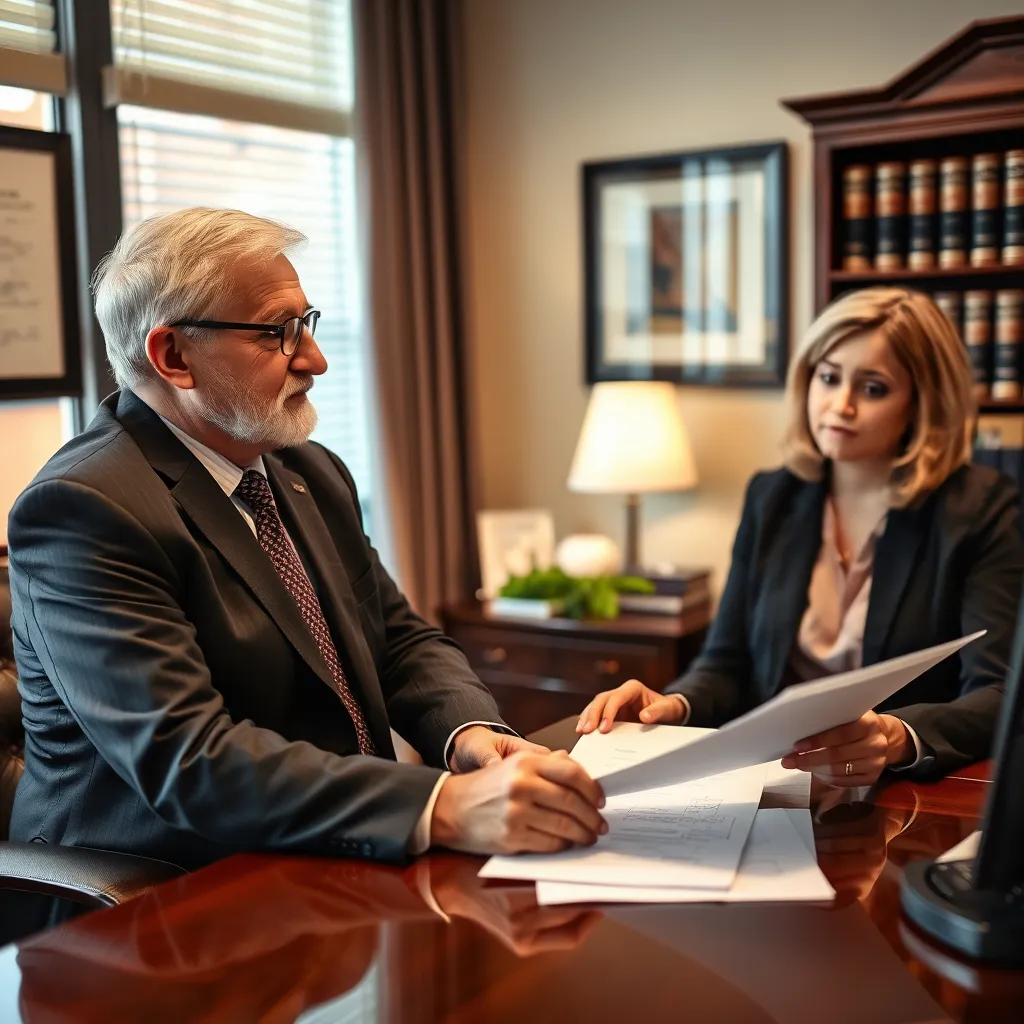
Physical Custody Lawyer Manassas, VA
Navigating the complexities of physical custody in Manassas, Virginia, requires an understanding of both Virginia’s family law statutes and the specific procedural nuances of local courts. Law Offices Of SRIS, P.C., provides dedicated legal counsel to families seeking clarity and resolution regarding parenting time schedules and visitation rights within Prince William County and the surrounding Manassas area. The process involves establishing a clear, workable schedule that prioritizes the best interests of the child, a standard emphasized by Virginia courts.
The determination of physical custody—the actual time a child spends in a parent’s care—is distinct from legal custody, which refers to the right to make major decisions about the child’s upbringing. In Virginia, the court evaluates many factors when determining the most appropriate parenting plan, focusing intensely on stability, the child’s emotional needs, and the existing routines of the minor child. Mr. Sris and the firm’s Of Counsel attorneys bring extensive combined legal experience to family law matters, helping clients understand their rights and the necessary steps to petition the court effectively. Results may vary.
What is Physical Custody in Virginia?
Physical custody refers to the day-to-day care and living arrangement of a child between parents. It dictates who has the child with them and for how long, forming the core of any parenting plan established by the court. Virginia law mandates that all custody determinations must be made with the “best interests of the child” as the paramount consideration. This standard requires the court to look beyond parental desires and focus on what environment will provide the most stability and support for the minor child’s development.
The process often involves mediation or formal litigation before a Virginia judge, depending on whether the parents can agree on a parenting schedule. If agreement cannot be reached, the court will issue an order that outlines specific visitation patterns, holidays, and daily care responsibilities. Understanding the difference between legal custody (decision-making authority) and physical custody (physical time) is crucial for any family navigating this process in Manassas.
The Parenting Plan Process in Manassas, VA
Establishing a parenting plan in Manassas, Virginia, typically involves several distinct procedural phases. Initially, parents may attempt to resolve disputes through voluntary mediation, which is often the court’s preferred first step because it encourages direct communication and compromise. If mediation fails, the matter proceeds to litigation, where Mr. Sris and the firm’s Of Counsel attorneys guide clients through filing the necessary petitions with the local Manassas court. The court will then schedule hearings, and both sides will present evidence regarding the child’s best interests.
The timeline for these proceedings varies by case complexity and court scheduling, but preparation is key. Clients must gather documentation regarding current routines, school schedules, and any history of conflict or instability. Furthermore, the court may require a comprehensive evaluation to assess the emotional dynamics between the parents and the child. Our goal is to ensure that when the court makes its final determination, the resulting order is detailed, enforceable, and truly serves the long-term well-being of the minor child.
How Mr. Sris and the Firm’s Of Counsel Attorneys Handle Physical Custody Cases in Manassas
Handling physical custody cases in Manassas requires a blend of thorough knowledge of Virginia family law and an acute awareness of local judicial customs. Mr. Sris and the firm’s Of Counsel attorneys approach these matters by first conducting a thorough intake to map out the entire family dynamic, identifying potential points of conflict before they reach the courtroom. We do not simply argue for a schedule; we build a comprehensive case that demonstrates how a specific parenting plan aligns with the child’s established life—their friendships, school commitments, and extracurricular activities.
Our strategy involves proactive engagement with the court system, ensuring that all necessary motions are filed within the applicable statutory period. We work to present a cohesive narrative to the judge, one that emphasizes stability and continuity for the child above all else. Whether the matter requires mediation or a full hearing before a Virginia judge, our team is prepared to advocate forcefully and professionally, guiding clients through every procedural step required to secure a lasting and equitable physical custody arrangement in Manassas.
About Mr. Sris and the Firm’s Of Counsel Attorneys
Mr. Sris, Owner and Founder of Law Offices Of SRIS, P.C., brings decades of dedicated legal service to family law matters across multiple jurisdictions. As a former prosecutor, Mr. Sris possesses an intimate understanding of courtroom procedure and the evidentiary standards required to build a successful case. He has been admitted in Virginia, Maryland, the District of Columbia, New Jersey, and New York, giving him a multi-jurisdictional perspective that benefits clients regardless of where their Manassas matter is heard.
Mr. Sris and the firm’s Of Counsel attorneys provide comprehensive support to families facing custody disputes. The firm’s Of Counsel attorneys are independent legal professionals who collaborate with Mr. Sris to provides clients with the highest level of specialized advocacy. We maintain a commitment to ethical representation, focusing on achieving resolutions that are not only legally sound but also practically workable for the family unit involved. For a consultation, reach Mr. Sris and the firm’s Of Counsel attorneys at (888) 437-7747.
Frequently Asked Questions About Physical Custody in Manassas
What is the difference between physical and legal custody?
Physical custody concerns where the child lives day-to-day, while legal custody determines who has the right to make major decisions regarding the child’s education, healthcare, and religious upbringing. Both types of custody are reviewed by the Virginia court to ensure the final order supports the child’s best interests.
Does having a parenting plan written down guarantee the outcome?
No, simply having a written agreement does not guarantee a specific court outcome. The final determination rests with the judge, who must weigh all submitted evidence and testimony against the paramount standard of the child’s best interests. Therefore, legal representation is necessary to guide the presentation of that evidence.
What if the parents cannot agree on a schedule?
If parents are unable to reach an agreement, the court will intervene to establish a binding order. This process usually requires formal filings and court hearings where both parties present their case to the judge for a ruling.
Can I change my custody arrangement if circumstances change?
Yes, custody orders are not permanent; they can be modified if there is a significant change in circumstances, such as a change in the child’s school, health status, or living situation. This requires filing a motion with the court and demonstrating why the current order is no longer appropriate.
What role does mediation play in custody disputes?
Mediation is a voluntary process where a neutral third party helps parents communicate and negotiate a parenting plan outside of court. It is often encouraged by the court as a way to reach a mutually acceptable agreement without the expense and conflict of a full trial.
How long does it take to get a custody order in Manassas?
The timeline for obtaining a final custody order varies by case complexity and court scheduling. Some matters can be resolved relatively quickly through mediation, while others require extensive litigation over many months.
Do I need a lawyer if I just want a visitation schedule?
While you can file on your own, having an attorney is frequently consulted because family law procedures are complex and emotionally charged. An attorney ensures that all necessary legal steps are taken correctly and that your rights are fully protected throughout the process.
What evidence do I need to prepare for a custody hearing?
You should gather documentation covering the child’s current routine, school records, medical history, and any communication logs between parents. Being organized and prepared with factual evidence is crucial for presenting a strong case to the judge.
Attorney advertising. Prior results do not guarantee a similar outcome.
Case results depend on a variety of factors unique to each case.
Attorney responsible for this advertising: Mr. Sris.
Results may vary.