
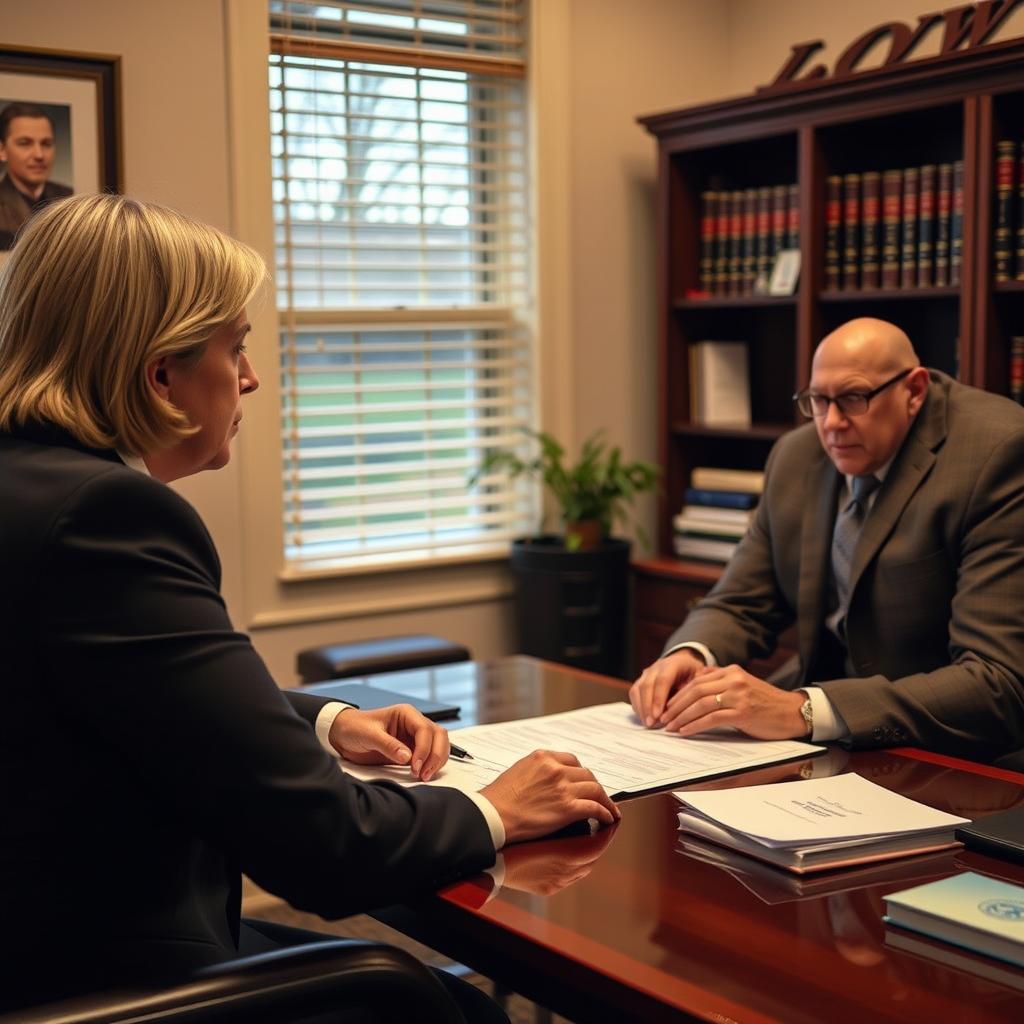
Parenting Schedule Lawyer Rappahannock County, VA
For families in Rappahannock County, a parenting schedule is more than a calendar—it is the framework that defines how parents share time with their children after separation or divorce. The schedule sets out regular weekdays, weekends, holidays, school breaks, and summer arrangements, and it becomes a court-enforceable order when approved. Parents in Washington, Sperryville, and Flint Hill face the same fundamental question: what arrangement serves the child’s best interests while being practical for both households? The Rappahannock County Juvenile and Domestic Relations District Court hears standalone custody and visitation matters, and when a parenting schedule is part of a divorce, the Circuit Court addresses it within the broader equitable distribution and support proceeding. Mr. Sris and his Of Counsel team at Law Offices Of SRIS, P.C. Concentrate on helping parents develop schedules that reflect the child’s needs and each parent’s circumstances while remaining workable under Virginia law. To discuss your parenting schedule matter, call (888) 437-7747. Law Offices Of SRIS, P.C. – Advocacy Without Borders.
What a Parenting Schedule Means in Rappahannock County, Virginia
In Virginia, a parenting schedule is the written plan for how a child spends time with each parent. It is governed by the trusted-interests standard in Va. Code § 20-124.3, which requires the court to consider ten statutory factors, including each parent’s role in the child’s life, the child’s relationship with each parent, and any history of family abuse. A Rappahannock County judge looks at the same factors whether the matter originates in the Juvenile and Domestic Relations District Court as a standalone custody case or in the Circuit Court as part of a divorce. Parents who can agree on a schedule may submit a proposed order; when they cannot, the court enters a schedule after hearing evidence. The court’s central focus is the child’s safety, stability, and developmental needs.
Rappahannock County’s rural character can shape how a parenting schedule is structured. The county stretches from the Shenandoah National Park boundary to the foothills north of Route 211, covering Washington, Sperryville, and Flint Hill. Distances between homes, limited public transportation, and school catchment areas all bear on logistics. A schedule that works in Fairfax County may need adjustments when both parents live miles apart on country roads. The court expects a schedule to be specific enough to reduce future conflict—specifying pickup and drop-off locations, communication protocols, and how changes will be handled. When parents share legal custody, the schedule also must coordinate with decisions about education, healthcare, and extracurricular activities.
How Mr. Sris and His Of Counsel Handle Parenting Schedule Cases
Mr. Sris and his Of Counsel approach a parenting schedule matter first by understanding the family’s existing dynamic. They review the child’s school calendar, each parent’s work obligations, and any prior custody orders or agreements. When both parents are willing to negotiate, the attorneys help craft a detailed draft schedule that addresses the basics—holidays, vacation time, transportation—and anticipates pinch points like sports schedules or extended-family gatherings. If the matter is contested, they prepare for a hearing at the Rappahannock County Juvenile and Domestic Relations District Court or Circuit Court, presenting evidence on the statutory best-interests factors and any relevant testimony from teachers, healthcare providers, or family members.
Because parenting schedule disputes can be emotionally charged, the team works to keep the proceeding focused on the child’s welfare. They encourage parents to consider mediation, which is available but not mandatory in Virginia, and to approach the court with a solution-oriented posture. When a parent is relocating or the circumstances of one parent have changed significantly, Mr. Sris and his Of Counsel guide the client through the modification process, which requires showing a material change in circumstances. Throughout, the goal is to put in place a schedule that is clear, enforceable, and sustainable for the child’s growth.
About Mr. Sris and His Of Counsel Team
Law Offices Of SRIS, P.C. was founded in 1997 by Mr. Sris, a former prosecutor. Mr. Sris is admitted to practice in Virginia, Maryland, the District of Columbia, New Jersey, and New York. He testified before the Virginia House Courts of Justice Committee in support of 2019 HB 635 (chief patron Del. David Bulova). Mr. Sris and his Of Counsel bring over 120 years of combined legal experience. Results may vary. They have documented 4,739+ case results across all practice areas since 1997. In Rappahannock County, the firm has documented 40 total case results across practice areas, with a 98% favorable outcome rate. Every family law matter is handled with attention to the practical details that matter in a rural county.
The Of Counsel team includes attorneys with backgrounds as a former Maryland assistant state’s attorney, a former Virginia State Trooper, and counsel with decades of trial and child-welfare experience. This collective background gives Mr. Sris and his Of Counsel insight into how the court system operates and how to present a parenting schedule case effectively. The firm serves clients from its Fairfax location at 4008 Williamsburg Court, Fairfax, VA 22032, and represents parents throughout Rappahannock County. To request a consultation, call (888) 437-7747.
Frequently Asked Questions
What is a parenting schedule in Virginia?
A parenting schedule is a detailed written plan that sets out when each parent has physical custody of the child, including weekdays, weekends, holidays, and school breaks. In Rappahannock County, the schedule becomes part of a court order—either a custody order from the Juvenile and Domestic Relations District Court or a final divorce decree from the Circuit Court. The schedule may address transportation, communication, and decision-making authority. It is designed to give the child a predictable routine and to reduce disputes between parents. Parents can agree on a schedule and present it to the court, or a judge will set the schedule after considering the best interests of the child.
How does a Virginia court decide a parenting schedule?
The court decides a parenting schedule by weighing the ten best-interests factors in Va. Code § 20-124.3, including each parent’s relationship with the child, the child’s needs, and any history of abuse. In Rappahannock County, the judge hears testimony and reviews evidence such as school records, work schedules, and witness statements. The court may also consider the child’s preference if the child is of suitable age and maturity. The aim is to craft an arrangement that supports the child’s emotional and physical well-being and keeps the child connected to both parents when that is safe and appropriate.
Can a parenting schedule be modified in Rappahannock County?
Yes, a parenting schedule can be modified when there has been a material change in circumstances and the modification serves the child’s best interests. Common reasons for modification include a parent’s relocation, a change in the child’s school or medical needs, or a substantial change in a parent’s work schedule. The parent seeking the change files a motion in the court that entered the original order. In Rappahannock County, that is typically the Juvenile and Domestic Relations District Court or the Circuit Court, depending on the case. The court will not change a schedule simply because one parent is unhappy with the existing arrangement; the parent must show that something meaningful has changed.
What if the other parent does not follow the parenting schedule?
If a parent repeatedly violates the parenting schedule, the other parent can seek enforcement through a show-cause or contempt motion in the court that issued the order. In Rappahannock County, the Juvenile and Domestic Relations District Court handles enforcement of custody and visitation orders. The court may order makeup parenting time, modify the schedule to reduce future conflict, or impose sanctions, including attorney fees. Parents should document each violation—dates, times, and any communication—because the court will need evidence. Before going to court, it is often helpful to have an attorney send a demand letter and attempt to resolve the issue without a hearing.
Do I need a lawyer to create a parenting schedule in Virginia?
You are not required by law to have a lawyer to create a parenting schedule, but having a lawyer helps ensure your rights are protected and that the schedule addresses all necessary details. A parenting schedule is a legal document that can affect your relationship with your child for years. A lawyer can help you understand how Rappahannock County courts apply the trusted-interests standard, negotiate terms that fit your circumstances, and draft language that is clear and enforceable. If the other parent has an attorney, representing yourself puts you at a disadvantage, especially in a contested hearing. To discuss your situation, call Law Offices Of SRIS, P.C. at (888) 437-7747.
How does a parent’s relocation affect a parenting schedule?
Virginia law requires a parent who intends to relocate to give at least thirty days’ advance written notice to the court and the other parent, and the relocation may require a modification of the parenting schedule. In Rappahannock County, a move that significantly impacts the existing schedule—such as moving out of the county or farther than what allows the current exchange plan to work—can prompt a custody modification hearing. The court will examine how the move affects the child’s relationship with the non-relocating parent, the child’s schooling, and the overall stability of the arrangement. The parent who wishes to relocate often bears the burden of showing that the relocation is in the child’s best interests.
For guidance on your specific situation, reach Law Offices Of SRIS, P.C. at (888) 437-7747.
Primary legal resources: Virginia Code Title 20 (Domestic Relations) · Virginia Judicial System · Virginia State Bar.
Attorney advertising. Prior results do not guarantee a similar outcome. Results may vary. Case results depend on a variety of factors unique to each case.