
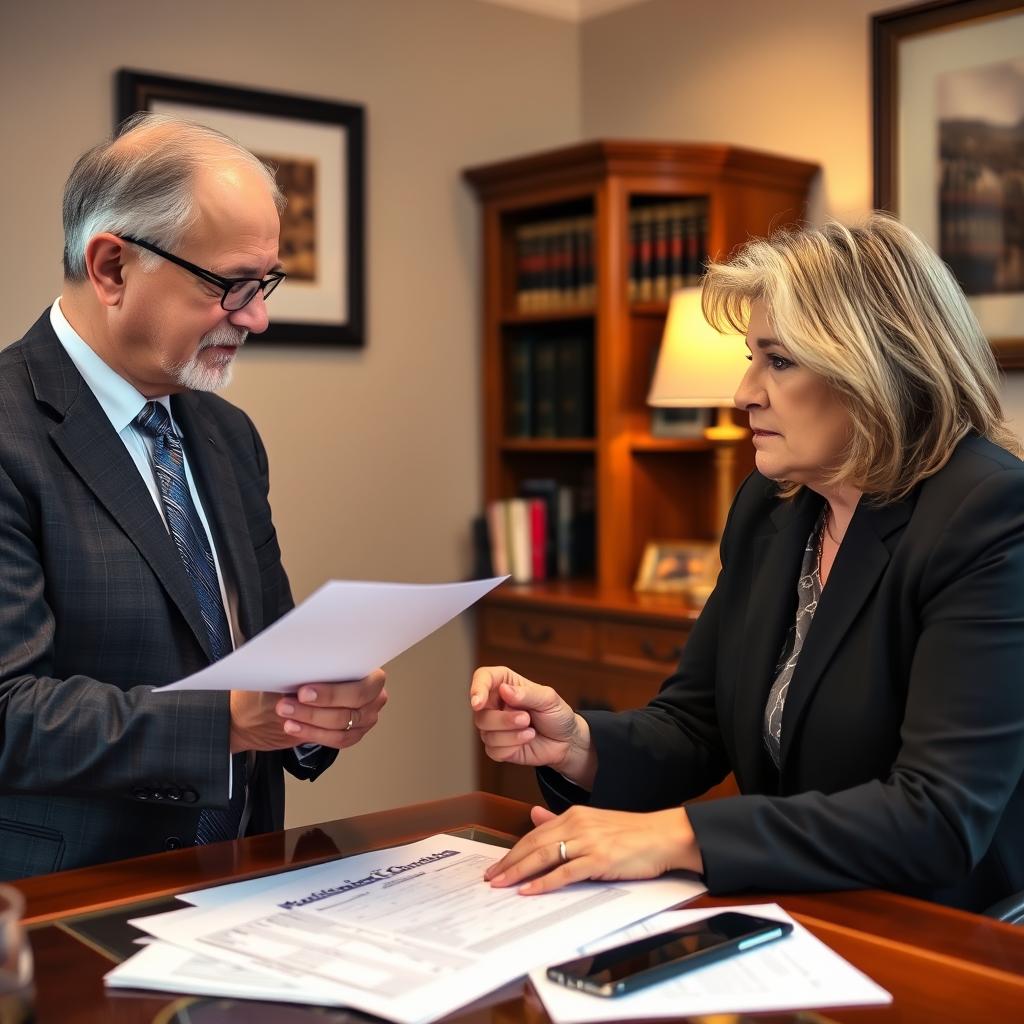
Parenting Schedule Lawyer Chesterfield County, VA
You’ve separated from your child’s other parent, and the daily logistics of school, weekends, holidays, and summer breaks suddenly feel overwhelming. You know you need a clear schedule—something that says who the child is with and when—but you aren’t sure how to create one that will hold up, or what happens if the other parent doesn’t follow it. In Chesterfield County, a well‑drafted parenting schedule is the practical backbone of any custody or visitation order. It reduces conflict, gives both parents predictability, and gives your child stability. Whether you are working out an agreed schedule, modifying an existing arrangement, or litigating a contested custody matter in the Chesterfield County Juvenile and Domestic Relations District Court or the Chesterfield County Circuit Court, having an attorney who understands how parenting schedules are actually enforced in this community can make the difference between a workable plan and constant conflict. Law Offices Of SRIS, P.C. has served families in Midlothian, Chester, Colonial Heights, Bon Air, Brandermill, Moseley, and throughout the Richmond area since 1997. For a consultation, call (888) 437‑7747. Law Offices Of SRIS, P.C. – Advocacy Without Borders.
What Parenting Schedules Mean in Chesterfield County
A parenting schedule is the detailed plan that sets out the times and dates when a child is with each parent. It covers regular weekdays, weekends, school holidays, summer breaks, and special events. In Virginia, the schedule is part of a custody and visitation order, and the court’s guiding principle is the best interests of the child. The Chesterfield County Juvenile and Domestic Relations District Court handles standalone custody, visitation, and child support matters. When a parenting schedule is decided as part of a divorce, the Chesterfield County Circuit Court takes jurisdiction over the entire case, including custody. Both courts rely on the same statutory factors to shape the schedule. The reality in Chesterfield County is that families live across a large geographic area—from Midlothian to Brandermill and the rural edges of the county—so the logistics of school pick‑up, after‑school activities, and medical appointments are real, everyday concerns that a parenting schedule must address. A plan that looks good on paper but doesn’t work with the traffic patterns on Hull Street Road or the proximity to Chesterfield Towne Center won’t last. When Mr. Sris and his Of Counsel meet with a client, they ask those local, practical questions because they know the community and they understand that a parenting schedule has to function in the real world, not just in a courtroom.
Virginia law gives the court broad authority to fashion a schedule that protects the child’s relationship with both parents while safeguarding the child’s emotional and physical well‑being. The ten statutory factors judges consider—including each parent’s role in the child’s life, the child’s relationship with siblings and extended family, the parents’ willingness to support the other’s contact, and any history of family abuse—are applied in every Chesterfield County custody case. Because the J&DR court and the Circuit court have different dockets and procedures, the pacing and the discovery obligations can vary. An attorney familiar with the local court culture can help you present your case in the way that makes sense for your particular situation.
How Mr. Sris and His Of Counsel Handle Parenting Schedule Cases
The goal in every parenting schedule case is to reach a durable, practical arrangement that the parents can follow without constant court intervention. Mr. Sris and his Of Counsel begin by working with the client to identify what a realistic schedule looks like given each parent’s work obligations, the child’s school and activity calendar, and the family’s geographic realities within Chesterfield County. When possible, they negotiate a written schedule directly with the other parent or the other parent’s attorney. A signed, agreed‑upon parenting schedule can resolve the matter without a hearing. If negotiation isn’t productive, the team prepares for litigation. They gather evidence of each parent’s involvement with the child, any concerns about a parent’s conduct, and school, medical, or counseling records. They also work with a guardian ad litem when the court appoints one to represent the child’s interests. In Chesterfield County, a guardian ad litem can play a substantial role in custody and visitation cases, and Mr. Sris’s Of Counsel have substantial experience working with GALs to reach outcomes that serve the child’s needs.
When a case does go to court, the presentation focuses on the statutory best‑interest factors and on the practical feasibility of the proposed schedule. Because the firm has appeared in Chesterfield County courts for decades, the attorneys understand the expectations of the local bench. They present evidence clearly, avoid unnecessary motions that drive up costs, and always keep the focus on the child’s stability. Throughout the process, the team encourages mediation where appropriate. In Virginia, mediation is not mandatory in custody cases, but a successful mediation can save time, money, and stress. Mr. Sris and his Of Counsel will guide you through the mediation process and, if a settlement is reached, draft a detailed order that includes a specific, enforceable parenting schedule.
About Mr. Sris and His Of Counsel Team
Mr. Sris is the Owner and Founder of Law Offices Of SRIS, P.C. He has practiced since 1997 and is admitted in Virginia, Maryland, the District of Columbia, New Jersey, and New York. Mr. Sris testified before the Virginia House Courts of Justice Committee in support of 2019 HB 635 (chief patron Del. David Bulova). His background as a former prosecutor gives him a practical, problem‑solving approach to family law disputes, and he brings that same insight to parenting schedule negotiations and litigation. Together with his Of Counsel, Mr. Sris brings over 120 years of combined legal experience to every matter the firm handles. Results may vary.
Mr. Sris’s Of Counsel include attorneys with extensive backgrounds in family law, child welfare, and litigation. They work collaboratively with Mr. Sris on Chesterfield County parenting schedule cases, ensuring that each client benefits from the team’s collective knowledge of Virginia custody law and the local court system. The firm has documented 4,739+ case results across all practice areas since 1997. Results may vary.
Frequently Asked Questions About Parenting Schedules in Chesterfield County
What is a parenting schedule and why is it important?
A parenting schedule is a detailed plan that specifies when a child resides with each parent and how holidays, school breaks, and special occasions are divided. It provides the structure that both parents need to plan their lives and gives the child a predictable routine. In Chesterfield County, a parenting schedule can be created as part of a custody order in the Juvenile and Domestic Relations District Court or within a divorce case in the Circuit Court. A clear schedule reduces conflict because it removes ambiguity about pick‑up times, drop‑off locations, and holiday rotations. Judges expect a parenting schedule to be practical and child‑focused, and they are more likely to approve a plan that the parents have worked out together. An attorney can help you draft a schedule that is specific enough to be enforced but flexible enough to accommodate unavoidable changes.
How does a court in Chesterfield County decide on a parenting schedule?
The court applies the trusted‑interest factors listed in Virginia Code § 20‑124.3 to decide what schedule best serves the child. The ten factors include each parent’s age and health, the child’s relationship with each parent, the propensity of each parent to support the other’s relationship with the child, and any history of abuse. The judge also considers practical issues such as the distance between the parents’ homes, school locations, and extracurricular activities. In Chesterfield County, the court may appoint a guardian ad litem to investigate and recommend a schedule. If the child is old enough and mature enough, the court may consider the child’s preference. Mr. Sris and his Of Counsel present evidence that addresses each factor, ensuring the court has a complete picture of the family’s situation.
Can a parenting schedule be modified after it is set?
Yes, a parenting schedule can be modified when there has been a material change in circumstances that affects the child’s best interests. Common reasons for modification include a parent relocating, changes in a parent’s work schedule, the child’s evolving needs, or a parent’s inability to follow the existing order. In Chesterfield County, a modification petition is filed in the court that issued the original order—either the J&DR court or the Circuit court. The party seeking the change must show that the modification is in the child’s best interests, not just convenient for the parent. Mr. Sris and his Of Counsel help clients evaluate whether their situation meets the legal standard for modification and, if so, develop a plan that is likely to gain court approval.
What if the other parent violates the parenting schedule?
If a parent does not follow the court‑ordered schedule, the other parent can file a motion for enforcement or a rule to show cause in the Chesterfield County court that issued the order. The court can order make‑up parenting time, impose fines, require the violating parent to pay the other parent’s attorney fees, or, in severe cases, modify custody. Documenting every violation is critical—keeping a log of missed visits, late pick‑ups, and denied access strengthens the enforcement action. Mr. Sris and his Of Counsel can guide you through the enforcement process, including how to gather evidence and what relief to request from the court. Swift, consistent enforcement protects your rights and reinforces that the schedule must be taken seriously.
Do I need a lawyer to create a parenting schedule?
You are not legally required to have a lawyer to draft a parenting schedule, but working with an attorney helps ensure the schedule is thorough, enforceable, and tailored to your family’s specific needs. An attorney can spot potential pitfalls—like vague language that invites future disputes, or provisions that conflict with Virginia law—and can negotiate with the other parent to reach an agreement without court intervention. In Chesterfield County, having local legal knowledge is an advantage: an attorney who understands the local courts, the typical concerns of judges, and the practical logistics of the community can help you build a schedule that will work in everyday life. For guidance on your specific matter, reach Law Offices Of SRIS, P.C. at (888) 437‑7747.
How long does it take to get a parenting schedule in Chesterfield County?
The time to establish a parenting schedule depends on whether the parents agree and whether a court hearing is required. If both parents can agree on a schedule and submit a signed order to the court, the process may take only a few weeks. If the matter is contested and requires a hearing, the timeline depends on the court’s calendar and the complexity of the issues. The Chesterfield County J&DR court typically schedules initial hearings within a matter of weeks, while a contested custody trial in Circuit court may take several months to resolve. Mr. Sris and his Of Counsel can give you a realistic estimate once they understand your specific circumstances.
Family Law Representation in Nearby Counties: Henrico County Family Law Lawyer • Hanover County Family Law Lawyer • Fairfax County Family Law Lawyer • Richmond Family Law Lawyer
Attorney advertising. Prior results do not guarantee a similar outcome. Results may vary.
Case results depend on a variety of factors unique to each case.