
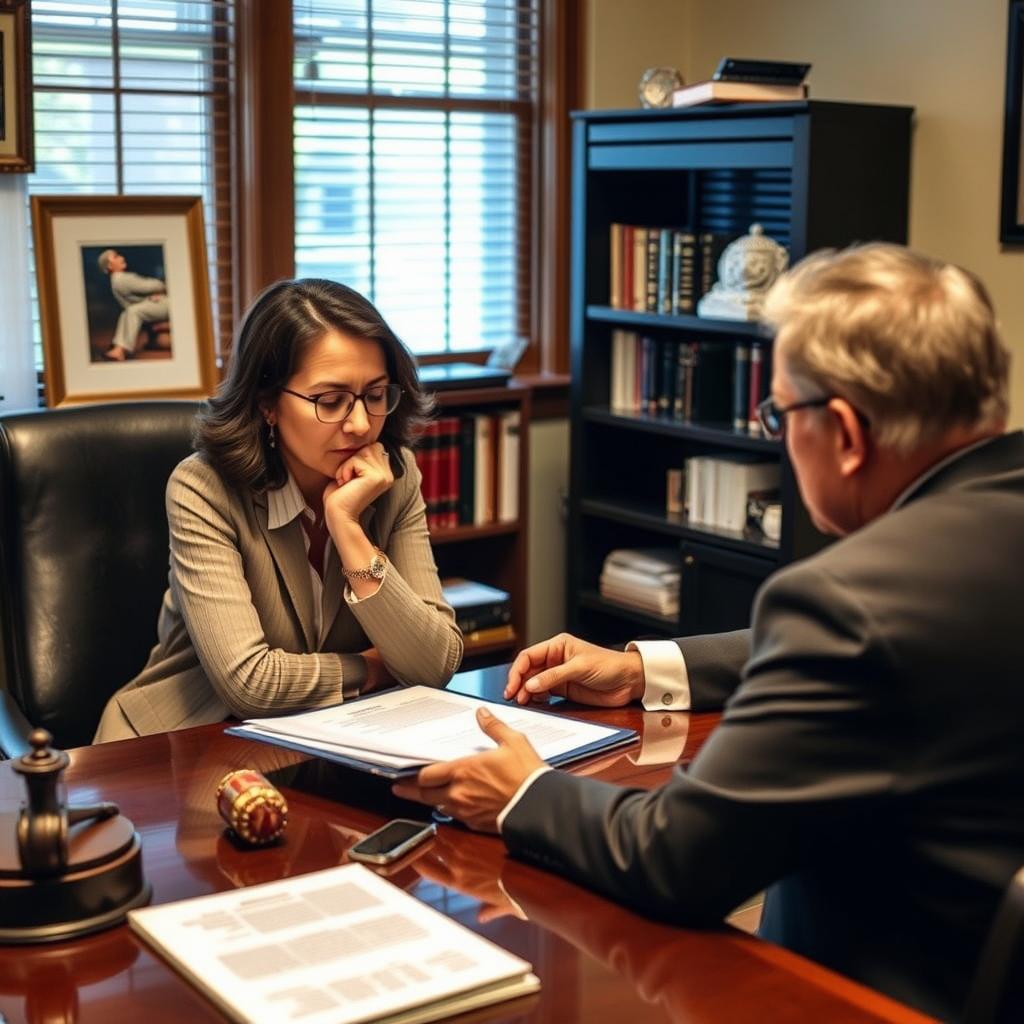
Legal Separation Lawyer Rappahannock County, VA
For individuals in Rappahannock County, Virginia, who are considering a separation from their spouse but are not yet ready for divorce, understanding how Virginia law treats separation is a critical first step. While Virginia does not have a formal “legal separation” process—meaning there is no separate court order declaring a couple legally separated—separation is a defined factual status with significant legal consequences. It can affect property division, spousal support, child custody, and the eventual grounds for divorce. Mr. Sris and his Of Counsel at Law Offices Of SRIS, P.C. bring over 120 years of combined legal experience and have achieved 4,739+ documented firm-wide results to separation matters, helping clients navigate separation agreements, protect their rights, and prepare for the transition to divorce when that time comes. Results may vary. To discuss a separation matter in Rappahannock County, call (888) 437‑7747.
Law Offices Of SRIS, P.C. – Advocacy Without Borders.
What Legal Separation Means in Rappahannock County, Virginia
In Virginia, there is no statutory proceeding called “legal separation.” Instead, a couple’s separation is a factual circumstance defined by Virginia Code § 20‑91(9), which sets out the separation periods required as a ground for a no-fault divorce. For spouses with no minor children of the marriage who have signed a written separation agreement, a divorce may be granted after a six‑month separation. For all other cases, the required separation period is one year. Rappahannock County’s courts—the Juvenile and Domestic Relations District Court for custody and support matters, and the Circuit Court for divorce and equitable distribution—handle the legal issues that arise during and after a separation. Our Fairfax Location serves clients throughout Rappahannock County, including Washington, Sperryville, and Flint Hill, appearing in all local courts as needed.
During the separation period, couples often address immediate practical concerns through a separation agreement, also called a property settlement agreement. This legally binding contract can resolve issues such as spousal support, child custody, visitation, child support, and the division of marital property and debts. Even though Virginia does not require a separation agreement, having one can provide clarity and stability while the parties live apart. It also serves as a foundation for the eventual divorce proceeding, potentially streamlining the process and reducing conflict. Mr. Sris and his Of Counsel help clients negotiate and draft separation agreements tailored to the specific circumstances of each Rappahannock County family.
How Mr. Sris and His Of Counsel Handle Separation Cases
Every separation situation presents its own challenges, from determining the trusted parenting plan for minor children to identifying and valuing complex marital assets. Mr. Sris and his Of Counsel start by understanding the client’s goals—whether it is to preserve the marriage, protect financial interests during a trial separation, or prepare for an uncontested divorce. They review the relevant factors under Virginia’s equitable distribution statute (Va. Code § 20‑107.3), child custody best‑interest factors (§ 20‑124.3), and spousal support factors (§ 20‑107.1), and advise on how the separation period can impact the outcome of each issue.
Because separation is not a court‑ordered status, the focus is often on negotiation and agreement drafting. Mr. Sris and his team work to reach a comprehensive separation agreement that addresses property classification, support obligations, and custody arrangements in a way that protects the client’s rights. If the matter cannot be resolved by agreement, they are prepared to litigate in Rappahannock County Circuit Court or Juvenile and Domestic Relations Court as necessary. Throughout the process, they emphasize practical solutions that minimize unnecessary expense and emotional strain, while keeping the client informed about how each decision may affect a future divorce case.
About Mr. Sris and His Of Counsel Team
Mr. Sris, Owner and Founder of Law Offices Of SRIS, P.C., is a former prosecutor who has concentrated his practice in family law and related areas since 1997. His Of Counsel bring significant additional experience in family law, criminal defense, and litigation, enabling the firm to address separation matters that intersect with other legal problems, such as domestic violence allegations or international custody concerns. Together, Mr. Sris and his Of Counsel bring over 120 years of combined legal experience and have achieved 4,739+ documented firm-wide results. Results may vary.
Frequently Asked Questions
What is the difference between separation and divorce in Virginia?
In Virginia, separation is a factual living‑apart arrangement with no court order, while divorce is a judicial decree ending the marriage. Separation can last as long as the spouses choose, but Virginia law uses the separation period as a ground for a no‑fault divorce. During separation, the marriage still exists, so remarriage is not permitted, and certain benefits and obligations may continue. Many couples formalize their separation with a written separation agreement that addresses support, custody, and property issues; that agreement can be incorporated into a later divorce decree if the parties choose to divorce on the no‑fault ground.
Do I need a separation agreement in Rappahannock County?
Virginia law does not require a separation agreement, but having one is strongly recommended when minor children are involved or when significant assets need to be divided. A separation agreement can set clear rules for child custody, visitation, spousal support, and the management of marital property during the separation period. It can also serve as the basis for a future no‑fault divorce under Va. Code § 20‑91(9)(b), which permits divorce after a six‑month separation if there are no minor children and a signed agreement exists. Without an agreement, disputes that arise during separation are harder to resolve and may require court intervention in Rappahannock County Circuit Court or Juvenile and Domestic Relations Court.
How long must I be separated before I can file for divorce?
If you have no minor children and have a signed separation agreement, you may file for a no‑fault divorce after six months of continuous separation; otherwise, the required separation period is one year. This rule, set out in Va. Code § 20‑91(9)(a) and (b), applies to uncontested divorces based on separation. The separation must be continuous and without cohabitation. Fault‑based divorces—such as those grounded in adultery or cruelty—do not require a separation period, but proof of fault is necessary. Rappahannock County Circuit Court handles all divorce filings in the county.
Does separation affect child custody or support?
Yes, separation can directly affect custody and child support because the practical parenting arrangement established during separation often influences the court’s later custody determination. Under Va. Code § 20‑124.3, the court considers the role each parent has played in the child’s life when deciding custody. If one parent moves out and reduces contact with the child, that fact may affect a custody award. Child support during separation is calculated using Virginia’s child support guidelines and can be ordered through a pendente lite motion in the Juvenile and Domestic Relations Court, even before a divorce complaint is filed.
Why should I hire a lawyer for a separation matter in Rappahannock County?
A lawyer who understands Virginia’s equitable distribution laws and the procedures of Rappahannock County courts can help you avoid agreements that harm your long‑term rights. Issues like classification of separate and marital property, valuation of retirement accounts, and spousal support entitlements under Va. Code § 20‑107.1 involve nuanced legal standards. Mr. Sris and his Of Counsel have extensive experience in these areas and understand how local judges apply those standards. They also can manage situations where domestic violence or protective orders are involved, which are handled by the Rappahannock County Juvenile and Domestic Relations District Court.
How do I get started with a separation consultation?
Call (888) 437‑7747 or reach our Fairfax Location to schedule an appointment with Mr. Sris or one of his Of Counsel. During the consultation, we will listen to your circumstances, explain how Virginia separation law applies to your situation, and discuss the options available—including whether a separation agreement, pendente lite orders for support, or immediate divorce filing is the most appropriate course of action. We serve clients throughout Rappahannock County, from Washington to Sperryville and Flint Hill.
Related family law services: Fairfax County · Fairfax City · Falls Church City · Prince William County · Manassas City
Primary sources: Virginia Code Title 20 — Domestic Relations · Rappahannock County Circuit Court · Rappahannock Juvenile & Domestic Relations Court
Attorney advertising. Prior results do not guarantee a similar outcome. Results may vary. Case results depend on a variety of factors unique to each case.