
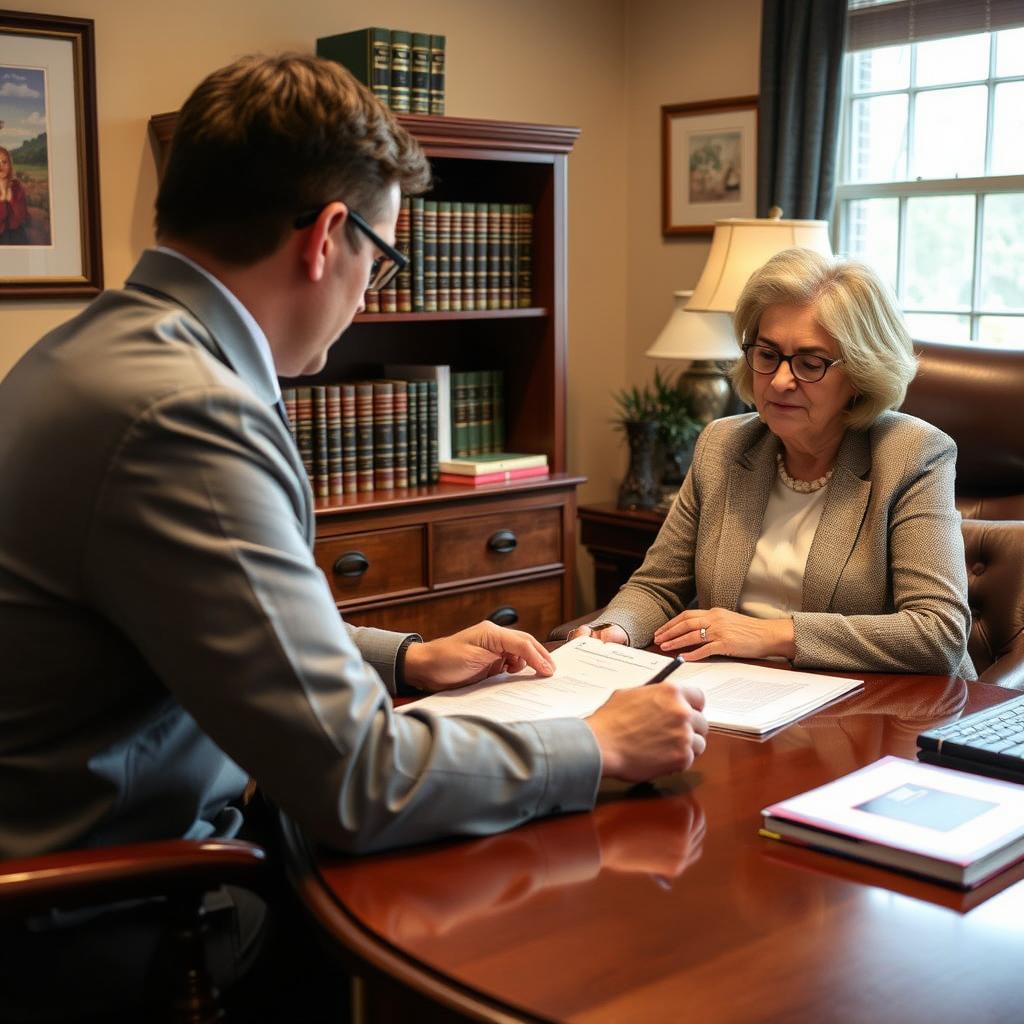
Guardianship Lawyer Rappahannock County
You need a Guardianship Lawyer Rappahannock County to secure legal authority over a minor or incapacitated adult. Law Offices Of SRIS, P.C.—Advocacy Without Borders. The process requires a formal petition in Rappahannock County Circuit Court. A local attorney understands the specific judges and procedures. SRIS, P.C. provides direct legal counsel for these sensitive cases. (Confirmed by SRIS, P.C.)
Statutory Definition of Guardianship in Virginia
Virginia law defines guardianship under Title 64.2. The primary statute is § 64.2-1700 et seq. This legal framework establishes a fiduciary relationship. A guardian is appointed by the court to manage the affairs of another person. This person is termed a “ward.” The ward is either a minor or an incapacitated adult. The court must find the ward lacks the capacity to make decisions. This finding is based on clear and convincing evidence. The guardian’s powers and duties are strictly defined by the court’s order. The guardian must act in the ward’s best interests at all times. This is a fundamental legal requirement. The guardian must also file annual accountings with the court. These reports detail the management of the ward’s estate. Failure to comply can result in the guardian’s removal. The court maintains ongoing supervision over all guardianships. This ensures the ward’s welfare and assets are protected.
Va. Code § 64.2-1700 — Civil Proceeding — Authority Over Person and/or Estate. Guardianship is a civil proceeding where a circuit court appoints a responsible person to make decisions for an incapacitated adult or minor. The court order grants specific powers. These powers can cover personal care, medical consent, and financial management. The maximum scope of authority is determined by the judge. The guardian’s power is never absolute. It is always subject to court oversight and statutory limits designed to protect the ward.
What is the legal standard for appointing a guardian?
The court must find the proposed ward is incapacitated. Incapacity means an impairment in the ability to receive and evaluate information. It also means an inability to make or communicate responsible decisions. This impairment can be caused by mental illness, intellectual disability, physical illness, or advanced age. The evidence must be clear and convincing. Medical or psychological testimony is typically required. The court will not appoint a guardian if a less restrictive alternative exists. Alternatives include a power of attorney or advance medical directive.
What is the difference between a guardian and a conservator?
A guardian manages the personal and medical decisions for the ward. A conservator manages the financial affairs and estate of the ward. In Virginia, one person can serve in both roles. They are often appointed simultaneously. The petition can request one or both appointments. The court delineates the specific powers granted in the final order. The distinction is critical for defining the scope of legal authority.
Who can petition to be a guardian in Rappahannock County?
Any interested person can file a petition for guardianship. This includes family members, friends, or a local social services agency. The petitioner must demonstrate a legitimate interest in the ward’s welfare. They must also prove they are suitable and qualified to serve. The court will conduct a background check. The petitioner’s criminal history and financial stability will be reviewed. The court prioritizes the best interests of the proposed ward above all else.
The Insider Procedural Edge in Rappahannock County
All guardianship petitions in Rappahannock County are filed in the Circuit Court. The Rappahannock County Circuit Court is located at 259 Gay Street, Washington, VA 22747. You must file the petition in the county where the proposed ward resides. The court clerk’s Location handles the initial filing and fee payment. Procedural specifics for Rappahannock County are reviewed during a Consultation by appointment at our Rappahannock County Location. The timeline from filing to hearing can vary. It depends on the court’s docket and the complexity of the case. A contested guardianship will take significantly longer. All interested parties must be formally served with legal notice. This includes the proposed ward if they are over age 14. The court will appoint a Guardian ad Litem. This is an independent attorney who investigates the case. The Guardian ad Litem represents the best interests of the proposed ward. Their report carries substantial weight with the judge. The filing fee is set by Virginia statute and is subject to change.
What is the typical timeline for a guardianship case?
A direct, uncontested guardianship may take 60 to 90 days. The court must schedule a hearing after proper notice is given. The Guardian ad Litem needs time to complete their investigation. Contested cases or those with complex assets can take six months or more. Any appeals will extend the timeline further. An experienced guardianship petition lawyer Rappahannock County can help manage expectations.
What are the court costs and filing fees?
The filing fee for a guardianship petition is a mandatory cost. Additional costs include fees for the Guardian ad Litem and any required medical evaluations. There may also be costs for publication if notice by publication is required. The petitioner is generally responsible for these upfront costs. The court may later order the ward’s estate to reimburse reasonable expenses.
Penalties & Defense Strategies for Guardianship Matters
The most common consequence of a guardianship proceeding is the loss of personal autonomy. The court’s primary concern is the welfare of the proposed ward. A successful petition results in the ward’s legal rights being transferred to the guardian. This is a significant outcome. The guardian gains authority over healthcare, residence, and finances. The ward loses the right to make independent decisions in those areas. The court order defines the exact powers granted. It can be limited or plenary. A limited guardianship restricts the guardian’s powers to specific areas of need. A plenary guardianship grants broad authority over all aspects of the ward’s life. The court always prefers the least restrictive alternative. Defending against an unnecessary guardianship is a critical legal right.
| Potential Outcome | Legal Effect | Notes |
|---|---|---|
| Appointment of Guardian | Ward loses decision-making rights in designated areas. | Court order specifies powers (e.g., medical, financial). |
| Denial of Petition | Proposed ward retains full legal autonomy. | Occurs if incapacity is not proven or alternatives exist. |
| Limited Guardianship | Guardian’s powers are restricted to specific, defined needs. | Preferred by courts to preserve ward’s independence. |
| Guardian Removal | Court can remove a guardian for misconduct or neglect. | Requires a separate petition and hearing. |
| Contempt of Court | Penalties for violating a guardianship order. | Can include fines or jail for the guardian. |
[Insider Insight] Rappahannock County courts take a measured approach to guardianship. Judges here scrutinize medical evidence closely. They are reluctant to grant plenary guardianships without overwhelming proof. The local Commonwealth’s Attorney is not typically involved unless allegations of abuse arise. The Guardian ad Litem’s recommendation is often decisive. Having a legal guardian petition lawyer Rappahannock County who knows this local temperament is an advantage.
How can you defend against an unwanted guardianship petition?
Challenge the medical evidence of incapacity. Present testimony from your own doctors. Demonstrate you can manage your own affairs with supports. Propose a less restrictive alternative like a power of attorney. Argue the petitioner is not suitable or is acting in bad faith. An attorney can file motions to dismiss if procedural rules are not followed.
What happens if a guardian mismanages the ward’s estate?
The court can hold the guardian personally liable for losses. The guardian must file annual accountings. Any interested party can object to these accountings. The court can order the guardian to repay misused funds. The judge can also remove the guardian and appoint a successor. In severe cases, criminal charges for embezzlement or fraud may be filed.
Why Hire SRIS, P.C. for Your Rappahannock County Guardianship
SRIS, P.C. attorneys have handled hundreds of fiduciary matters in Virginia courts. Our team includes former prosecutors and litigators with deep civil procedure experience. We understand the sensitive nature of these family legal issues. We provide direct, clear advice about your options and the likely outcomes. We prepare all necessary petitions, evidence, and court filings correctly the first time. We advocate aggressively in hearings to protect your interests or the interests of your loved one. Our approach is practical and focused on achieving your defined legal goals.
Attorney Background: Our lead attorneys for fiduciary matters have extensive Virginia circuit court experience. They are familiar with the Rappahannock County courthouse and its procedures. They know how to present complex medical evidence in a clear way for judges. They have successfully both established and defended against guardianship petitions. This balanced perspective is invaluable for case strategy.
Localized Rappahannock County Guardianship FAQs
Where is the guardianship court in Rappahannock County?
The Rappahannock County Circuit Court handles all guardianship cases. The address is 259 Gay Street, Washington, VA 22747. All petitions must be filed with the Clerk of this court.
How do I get a guardianship for an adult in Rappahannock County?
File a petition for adjudication of incapacity and appointment of guardian in Circuit Court. You must provide medical evidence of the adult’s incapacity. The court will appoint a Guardian ad Litem to investigate.
What is the role of a Guardian ad Litem in Virginia?
The Guardian ad Litem is an attorney appointed by the court. They independently investigate the proposed ward’s situation. They interview parties, review records, and report their findings to the judge.
Can a guardianship be terminated in Rappahannock County?
Yes, a guardianship ends upon the ward’s death, the ward regaining capacity, or by court order. A petition to restore capacity can be filed if the ward’s condition improves.
What are the duties of a guardian in Virginia?
Duties include arranging for the ward’s care, consenting to medical treatment, and managing finances prudently. The guardian must file annual reports with the court accounting for all actions.
Proximity, CTA & Disclaimer
Our legal team serves clients throughout Rappahannock County. Procedural specifics for Rappahannock County are reviewed during a Consultation by appointment. Call our team 24/7. We provide clear guidance on the guardianship process in Virginia. For related legal support, consider our Virginia family law attorneys or criminal defense representation. Learn more about our experienced legal team. For other civil matters, our DUI defense in Virginia team handles related court procedures.
Consultation by appointment. Call 24/7.
Law Offices Of SRIS, P.C.
—Advocacy Without Borders.
Past results do not predict future outcomes.