
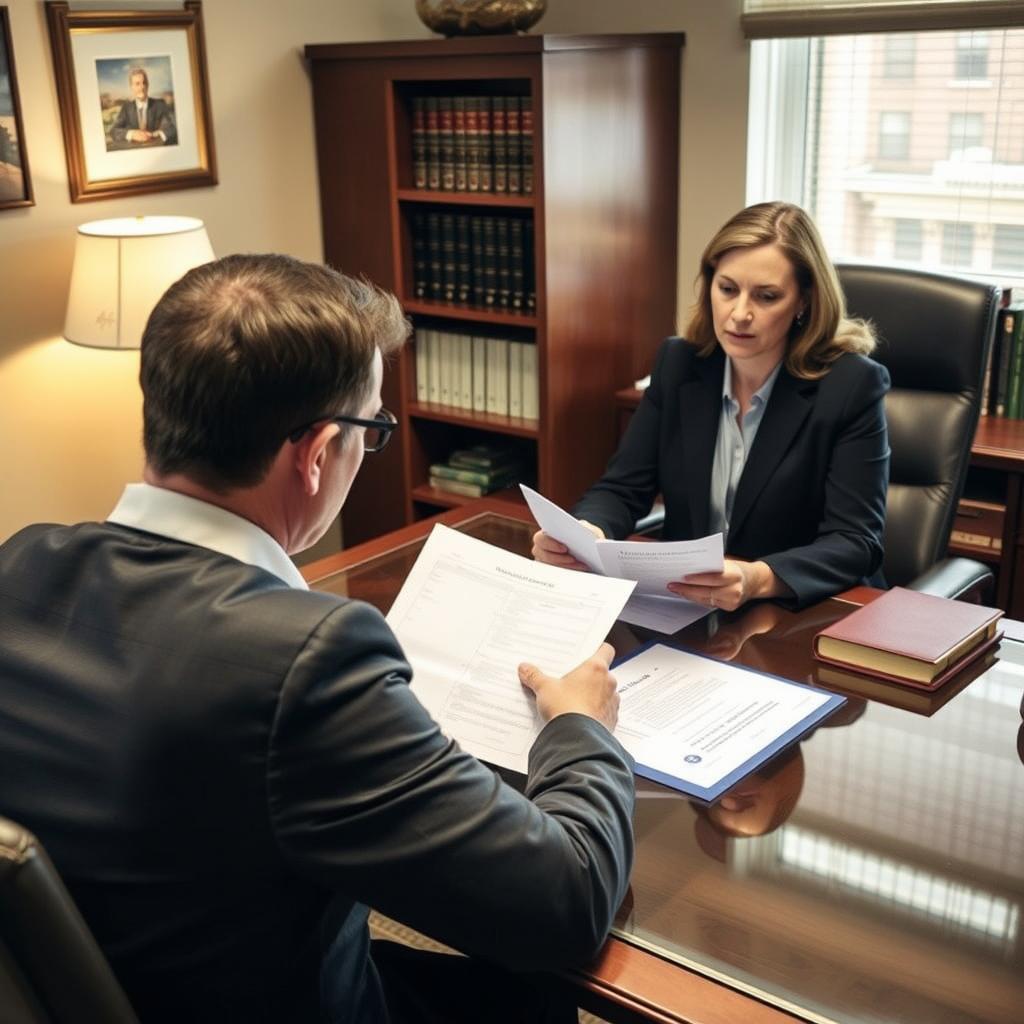
Foreign Divorce Decree Enforcement Lawyer Louisa County, VA
You were married abroad, your divorce was finalized in a country outside the United States, and now you live in Louisa County, Virginia. Perhaps you need to enforce spousal support, divide a marital asset located within Virginia, or simply establish the decree’s validity so you can remarry. A foreign divorce decree does not automatically carry the same legal weight here—Louisa County courts may require you to take formal steps to have it recognized and enforced. Law Offices Of SRIS, P.C., founded in 1997, represents clients in domesticating and enforcing foreign divorce decrees throughout Virginia. Mr. Sris and the firm’s Of Counsel attorneys bring extensive combined legal experience to these matters. Results may vary. To discuss your situation, reach Law Offices Of SRIS, P.C. at (888) 437-7747. Law Offices Of SRIS, P.C. – Advocacy Without Borders.
What Foreign Divorce Decree Enforcement Means in Louisa County
When a marriage ends through a divorce granted by a court in another country, that foreign decree is not automatically enforceable in Virginia. Instead, a person seeking to rely on the decree within Louisa County must ask a Virginia court to recognize the order and give it full effect. This process—sometimes called “domesticating” a foreign divorce decree—allows the Louisa County Circuit Court to treat the decree as a valid Virginia judgment for purposes such as property division, spousal support collection, and modification of existing orders.
Enforcement proceedings typically begin with filing a petition in the Louisa County Circuit Court, located at 100 West Main Street, Louisa, VA 23093. Virginia courts look to principles of comity—a legal doctrine of mutual respect among judicial systems—when deciding whether to recognize a foreign divorce decree. The court will examine whether the foreign court had proper jurisdiction over the parties, whether the proceedings met basic due‑process standards, and whether enforcement of the decree would offend a strong public policy of the Commonwealth. Mr. Sris and the firm’s Of Counsel attorneys guide clients through each of these inquiries, ensuring the petition is supported by properly authenticated documents and persuasive legal argument.
For decrees originating in countries that are parties to the 1961 Hague Apostille Convention, such as India, an apostille from the issuing country’s competent authority can streamline the authentication of the foreign court order. Still, the ultimate decision whether to recognize and enforce the decree rests with the Louisa County court. An attorney experienced in cross‑border family law matters can help you anticipate what the court will require and avoid procedural missteps that lead to delay.
How Mr. Sris and the Firm’s Of Counsel Attorneys Handle Foreign Divorce Decree Enforcement Cases
Every foreign divorce decree enforcement matter begins with a careful review of the existing decree and the circumstances under which it was obtained. Mr. Sris and the firm’s Of Counsel attorneys assess whether the foreign court exercised proper jurisdiction, whether the procedural rights of both parties were respected, and whether any part of the decree conflicts with Virginia law. Once a strategy is developed, the team prepares a petition for enforcement, together with a certified copy of the foreign decree and any necessary translations or apostilles.
If the responding party resides outside Virginia, service of process becomes a critical step. For parties in countries that are signatories to the 1965 Hague Service Convention, such as India, service through the designated Central Authority may be one available option—though India’s reservation to Article 10 means that postal or private‑process‑server service is not permitted there. When international service presents significant obstacles, the Virginia court may authorize alternative methods of service, such as publication. Throughout the process, the firm works to move the matter toward a hearing where the court can decide whether to grant full recognition and enforcement of the foreign decree.
The firm also addresses the practical consequences of enforcement. If the foreign decree divides real estate, bank accounts, retirement assets, or business interests located in Louisa County, the enforced judgment can be used to effectuate the transfer of property or compel compliance. When enforcement involves continuing obligations—such as periodic spousal support payments—the firm can assist with obtaining a Virginia order that mirrors the foreign decree and becomes enforceable through standard contempt or garnishment proceedings if necessary.
About Mr. Sris and the Firm’s Of Counsel Attorneys
Mr. Sris, Owner and Founder of Law Offices Of SRIS, P.C., has practiced law since 1997. He is admitted in Virginia, Maryland, the District of Columbia, New Jersey, and New York. Mr. Sris testified before the Virginia House Courts of Justice Committee in support of 2019 HB 635 (chief patron Del. David Bulova). The firm’s Of Counsel attorneys are experienced litigators who bring additional depth to cross‑border family law matters, including former state‑trooper and former‑prosecutor backgrounds that strengthen case construction and courtroom presentation.
Together, Mr. Sris and the firm’s Of Counsel attorneys bring extensive combined legal experience to domesticating and enforcing foreign divorce decrees. They appear regularly in the Louisa County Circuit Court and understand the local procedures and judicial expectations that shape the enforcement process. Whether you need to enforce a decree issued in another U.S. State or from a foreign country, the firm provides coordinated representation grounded in a thorough understanding of both Virginia family law and international comity principles.
Frequently Asked Questions
What does it mean to “domesticate” a foreign divorce decree in Louisa County?
Domesticating a foreign divorce decree means obtaining an order from the Louisa County Circuit Court that recognizes the foreign judgment and makes it enforceable as if it were a Virginia decree. The court will examine the foreign court’s jurisdiction, the fairness of the proceedings, and whether enforcement would violate Virginia public policy. Once domesticated, the decree can be used to divide local property, enforce support obligations, or serve as a basis for further court action.
Do I need a lawyer to enforce a foreign divorce decree in Virginia?
While you are not legally required to hire a lawyer, enforcing a foreign divorce decree involves complex procedural and evidentiary rules that can be difficult to navigate without legal guidance. You will need to prepare a petition, attach properly authenticated documents, and possibly address challenges from the other party. An attorney can identify the correct court, ensure the decree meets Virginia’s recognition standards, and handle any service‑of‑process issues—especially when the other party lives abroad.
How long does the enforcement process take in Louisa County?
The timeline varies depending on the complexity of the case, whether the other party contests the petition, and any service‑of‑process delays. Uncontested enforcement actions in which the decree is straightforward and the parties cooperate can proceed relatively quickly after filing. Contested matters, or those requiring international service of process, may take longer. The Louisa County Circuit Court schedules hearings on its own calendar, and an attorney can provide a more realistic estimate after reviewing your specific situation.
Will the Louisa County court recognize a divorce decree from India?
Virginia courts may recognize a divorce decree from India if the Indian court had proper jurisdiction and the proceedings met fundamental fairness standards. Because India is a signatory to the 1961 Hague Apostille Convention, Indian court documents can be authenticated with an apostille rather than going through consular legalization. However, recognition is not automatic—the decree must still be presented to the Louisa County Circuit Court, which will evaluate it under the comity principles applied to foreign judgments.
What if my spouse refuses to comply with the foreign divorce decree after it is domesticated?
Once a foreign divorce decree is domesticated and becomes a Virginia order, you can enforce it through the same legal mechanisms available for any Virginia family‑court order. This may include filing a motion for contempt, seeking a wage garnishment for unpaid support, or asking the court to enter orders that compel the transfer of property. The firm can explain your enforcement options based on the specific terms of the decree.
How do I start the process of enforcing a foreign divorce decree in Louisa County?
Begin by consulting an attorney who can evaluate your foreign decree, determine whether it is likely to be recognized in Virginia, and prepare the necessary petition for the Louisa County Circuit Court. You should gather the original decree, any related orders (such as settlement agreements or property divisions), and—if the decree is in a language other than English—certified translations. The attorney will advise you on authentication requirements and the trusted strategy for moving the matter forward. For a consultation, reach Mr. Sris and the firm’s Of Counsel attorneys at (888) 437-7747.
Related Practice Areas:
Fairfax County Family Law Lawyer ·
Prince William County Family Law Lawyer ·
Manassas Family Law Lawyer
Virginia Family Law Resources:
Virginia Code Title 20 – Domestic Relations ·
Virginia Judicial System
Attorney advertising. Prior results do not guarantee a similar outcome. Case results depend on a variety of factors unique to each case. Results may vary.