
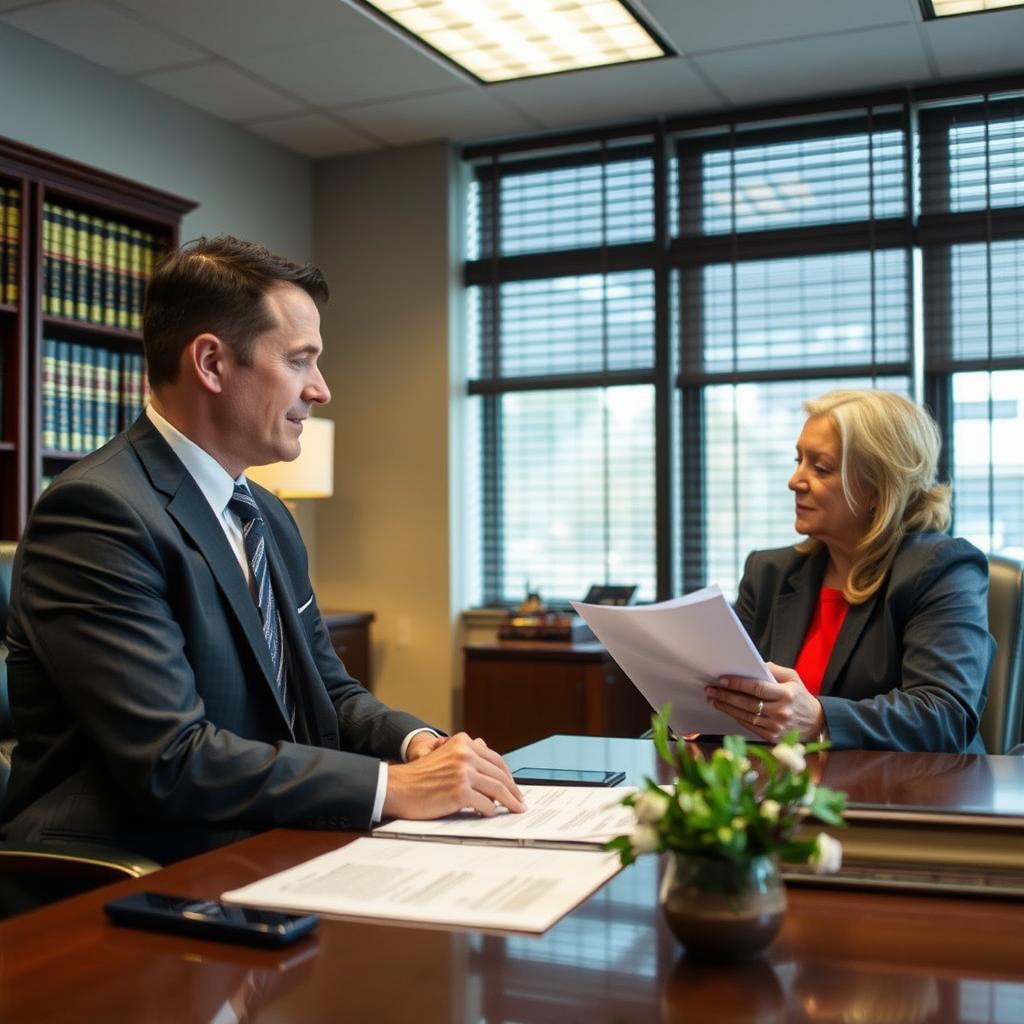
Felony Conviction Divorce Lawyer Virginia, VA
In Virginia, a spouse’s felony conviction can serve as a fault-based ground for divorce—no waiting period required. Under Va. Code § 20-91(9), the sentencing of a spouse to confinement of more than one year for a felony authorizes the other spouse to seek an immediate divorce. For the divorce plaintiff, this fault ground can influence how the court views property division and spousal support. Mr. Sris and his Of Counsel represent individuals throughout Virginia in obtaining divorce decrees based on a spouse’s felony conviction, guiding clients through the Circuit Court process, from filing the divorce complaint to final hearing. With over 28 years of experience, Mr. Sris—a former prosecutor—understands both the criminal justice context and the family law consequences. At Law Offices Of SRIS, P.C., founded in 1997, our team focuses on protecting your interests so you can move forward. Reach our firm at (888) 437-7747 to request a consultation. Law Offices Of SRIS, P.C. – Advocacy Without Borders.
What Felony Conviction Divorce Means in Virginia
Virginia law recognizes felony conviction as a distinct fault ground for divorce from the bond of matrimony. Unlike no-fault divorce, which requires a six-month or one-year separation (Va. Code § 20-91(9)(a)-(b)), a divorce based on felony conviction may proceed immediately once the other spouse has been sentenced to confinement for more than one year. The conviction must be final and the sentence must actually involve incarceration for the specified duration. This ground is available under Va. Code § 20-91(3), permitting the innocent spouse to file in the appropriate Circuit Court without waiting out any separation period. Because Virginia is an equitable distribution state, the court divides marital property based on statutory factors under Va. Code § 20-107.3—including the circumstances that contributed to the dissolution of the marriage. A felony conviction resulting in incarceration can be a significant factor in that analysis, though outcomes vary.
For spouses whose partner is serving a lengthy sentence, the divorce may also intersect with issues such as child custody, visitation, and support. Virginia courts determine custody according to the best interests of the child under Va. Code § 20-124.3, and a parent’s incarceration is a relevant factor the court may weigh. Spousal support awards, when sought, are examined under the factors listed in Va. Code § 20-107.1—including the earning capacity of each party and the standard of living established during the marriage. Mr. Sris and his Of Counsel bring over 120 years of combined legal experience to these matters. Results may vary. Mr. Sris and his Of Counsel have documented 4,739+ case results across all practice areas since 1997.
How Mr. Sris and His Of Counsel Handle Felony Conviction Divorce Cases
When a potential divorce client inquires about a felony-conviction ground, the first steps involve verifying the conviction and sentence. The team obtains certified court records of the conviction and the sentencing order, confirming the length of confinement exceeds one year. If the incarcerated spouse is still serving the sentence, service of process is arranged through the appropriate correctional facility or, in some cases, the Virginia Department of Corrections. Once the complaint is filed, the court may enter pendente lite orders for temporary custody, support, or use of the marital residence under Va. Code § 20-103. Because the defendant’s incarceration can affect their ability to participate, special attention is given to ensuring due process while moving the case forward. A final hearing is scheduled, and if the ground is proved, the court may grant the divorce and address equitable distribution and any requested ancillary relief.
Throughout the matter, Mr. Sris and his Of Counsel prepare the case for trial, but they also pursue opportunities for resolution where appropriate. Even when the felony conviction ground is clear, the division of property and determination of support remain contested issues. Our approach is to build a record that fully informs the court of the relevant financial and personal circumstances so that the judge can make a fair determination under the statutory guidelines. The timeline of a contested divorce on this ground depends on court scheduling and whether the incarcerated spouse contests the divorce or any property issues. Each case is fact-specific, and no fixed timeframe applies.
About Mr. Sris and His Of Counsel Team
Mr. Sris, Owner and Founder of Law Offices Of SRIS, P.C., is a former prosecutor who has practiced family law since establishing the firm in 1997. He is admitted in Virginia, Maryland, the District of Columbia, New Jersey, and New York. Mr. Sris testified before the Virginia House Courts of Justice Committee in support of 2019 HB 635 (chief patron Del. David Bulova). The firm’s Of Counsel attorneys—each engaged through Excella and concentrating in family law and related areas—work alongside Mr. Sris to serve clients across the Commonwealth. Together, Mr. Sris and his Of Counsel bring over 120 years of combined legal experience. Results may vary. Mr. Sris and his Of Counsel have documented 4,739+ case results since 1997.
Frequently Asked Questions
What is a felony conviction divorce in Virginia?
A felony conviction divorce in Virginia is a fault-based divorce that a spouse may obtain when the other spouse has been convicted of a felony and sentenced to confinement for more than one year. This ground, authorized by Va. Code § 20-91(3), allows the innocent spouse to file immediately without waiting through a separation period. The conviction must be final and the sentence must involve actual incarceration exceeding one year. The divorce addresses the termination of the marriage and may resolve property division, support, and custody.
Do I need a lawyer to file for divorce based on a spouse’s felony conviction?
You are not legally required to hire a lawyer, but having experienced legal counsel helps ensure the divorce is processed correctly and your rights are protected. Even when the ground is clear, issues such as service on an incarcerated spouse, equitable distribution of marital property, and spousal support require legal knowledge. An attorney can gather the necessary evidence, prepare the complaint, and present your case effectively. For a consultation, reach Mr. Sris and his Of Counsel at (888) 437-7747.
How does the court divide property when a felony conviction is the ground for divorce?
Virginia courts divide marital property under statutory equitable distribution, and a spouse’s felony conviction can be a factor the court considers when determining how property should be allocated. Under Va. Code § 20-107.3, the court evaluates multiple factors—including the circumstances that led to the dissolution of the marriage—to decide what is fair, not necessarily equal. The conviction and resulting incarceration may affect the court’s view of contributions to the marriage and financial fault, but the outcome depends on the specific facts of each case.
Can the incarcerated spouse contest the divorce?
Yes, an incarcerated spouse has the right to answer and contest the divorce, although practical limitations may affect their participation. The spouse may respond to the complaint and raise defenses or counterclaims, including challenging the ground or seeking different property or support terms. If the incarcerated party cannot attend hearings, arrangements may be made for telephone or video appearance, subject to the court’s approval. The process still requires proper service and may involve additional procedural steps to ensure due process.
What evidence is needed to prove the felony conviction ground?
Certified copies of the conviction and sentencing orders are the primary evidence needed to prove the felony conviction ground. The spouse seeking the divorce must present court records confirming the felony conviction and a sentence of confinement exceeding one year. If the conviction is from another state, it must still meet the criteria. Additional evidence may be necessary if the incarcerated spouse disputes the conviction’s validity or the length of sentence. Mr. Sris and his Of Counsel assist in obtaining and presenting the appropriate documentation.
How long does a felony conviction divorce take in Virginia?
The total time for a felony conviction divorce in Virginia varies; uncontested matters may be completed more quickly, while contested cases depend on court scheduling and issue complexity. Because the ground does not require a separation period, the divorce can be filed promptly. The timeline then depends on service of process, the defendant’s response, and whether a final hearing is contested. Discovery, if needed, adds time. Each case follows its own course, and no uniform period applies.
Related: Fairfax County Family Law Lawyer | Fairfax City Family Law Lawyer | Falls Church Family Law Lawyer | Prince William County Family Law Lawyer | Manassas Family Law Lawyer
Attorney advertising. Prior results do not guarantee a similar outcome. Results may vary.
Case results depend on a variety of factors unique to each case.