
Note: This article is confirmed by Law Offices Of SRIS, P.C.
WRITTEN BY: Mr. Sris
Since 1997, Mr. Sris has led the firm, focusing on the most challenging criminal and family law cases. His background in accounting and information management aids in financial and technology-related cases. Involved in significant legislative changes in Virginia. My focus since founding the firm in 1997 has always been directed towards personally handling the most challenging and family law matters our clients face.
Family Law Lawyer Clarke VA
What is Family Law
Family law represents the legal framework governing family relationships and domestic matters. In Virginia, this area of law encompasses statutes, regulations, and court decisions that address marriage, divorce, child custody, support, and property division. The Virginia Code establishes specific requirements for these proceedings, including residency requirements, grounds for divorce, and guidelines for determining child support amounts.
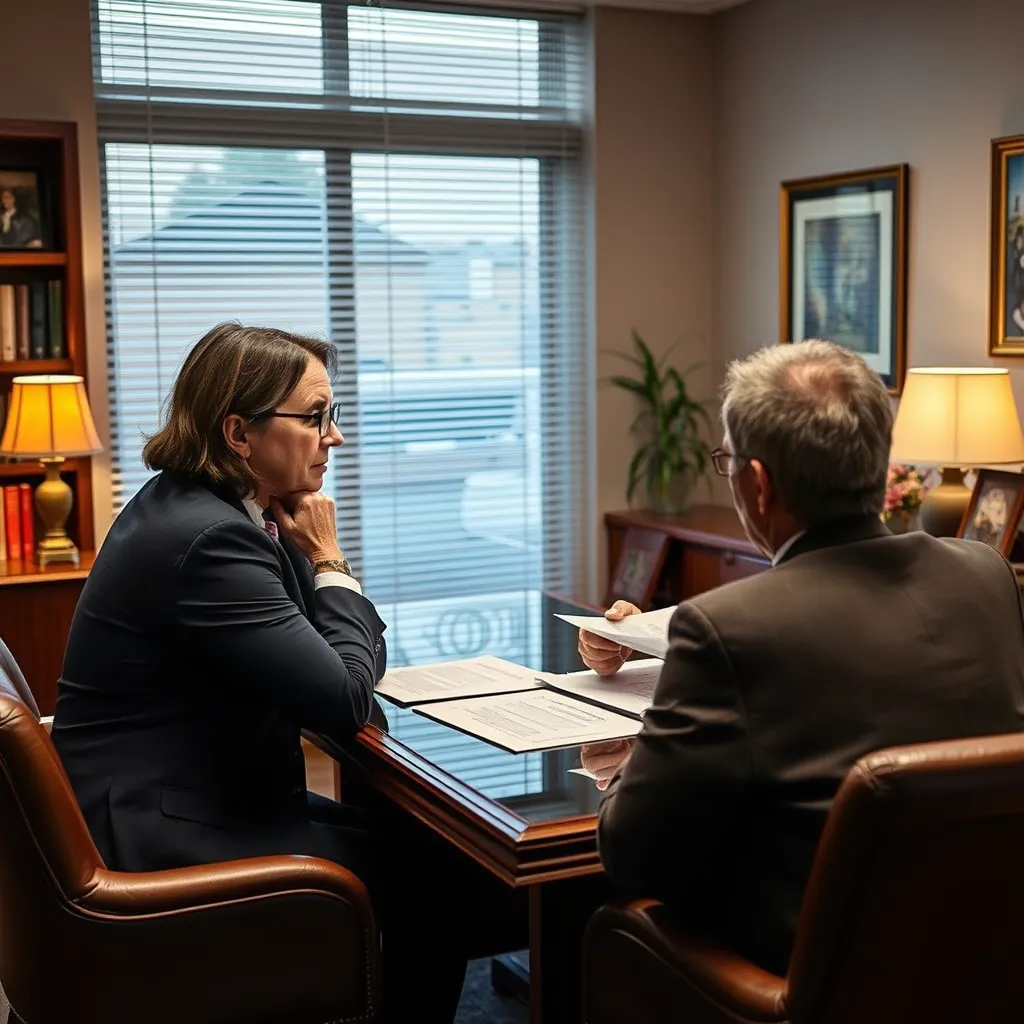
When facing family law matters, individuals typically begin with an initial consultation to discuss their situation. The attorney reviews relevant documents, explains applicable laws, and outlines potential approaches. For divorce cases, this includes discussing grounds for divorce, property division principles under Virginia’s equitable distribution system, and considerations for spousal support. Child custody matters involve evaluating factors related to the child’s best interests, including parental relationships, home environments, and practical considerations.
Legal strategies in family law cases vary based on individual circumstances. Some matters may proceed through negotiation and settlement agreements, while others require court intervention. Attorneys develop approaches that consider both immediate needs and long-term implications. This includes preparing legal documents, representing clients in court proceedings, and ensuring compliance with court orders. Effective representation requires understanding both legal principles and the practical realities of family dynamics.
Professional insight in family law emphasizes the importance of thorough preparation and clear communication. Virginia family law involves specific procedural requirements and deadlines that must be met. Attorneys with experience in Clarke County courts understand local practices and judicial preferences. They work to present cases effectively while maintaining focus on achieving workable solutions for families.
Reality Check: Family law proceedings can be emotionally difficult. Having clear legal guidance helps manage expectations and practical outcomes.
How to Address Family Law Matters
Addressing family law matters requires following established legal procedures while considering individual family circumstances. The process typically begins with gathering relevant documentation, including financial records, property documents, and information about children if applicable. This documentation forms the basis for understanding the family’s situation and preparing necessary legal filings.
For divorce proceedings in Virginia, specific steps must be followed. These include meeting residency requirements, determining grounds for divorce, and filing appropriate petitions with the court. The process involves serving documents to the other party, participating in required disclosures, and addressing temporary arrangements if needed. Child custody matters require developing parenting plans that address physical custody, legal custody, visitation schedules, and decision-making responsibilities.
Legal procedures continue through various stages, including discovery processes where information is exchanged between parties, settlement negotiations, and potentially court hearings. Attorneys help clients prepare for these stages by explaining what to expect, reviewing documents, and developing positions based on legal standards. Court hearings may address temporary arrangements, final resolutions, or enforcement of existing orders.
Defense and strategy considerations involve protecting client interests while working toward practical solutions. This includes evaluating settlement offers, preparing for potential court proceedings, and ensuring compliance with court requirements. Strategies may focus on negotiation, mediation, or litigation depending on the circumstances and parties’ positions. The goal is to achieve resolutions that address legal requirements while considering family relationships.
Professional authority in this area comes from understanding Virginia family law statutes and local court procedures. Clarke County courts follow specific practices for scheduling, filing requirements, and hearing procedures. Experienced attorneys know how to present cases effectively within this framework, including preparing appropriate motions, responses, and supporting documentation.
Straight Talk: Legal processes have specific steps and timelines. Following procedures correctly helps avoid delays and complications.
Can I Handle Family Law Matters Without an Attorney
Individuals have the right to represent themselves in family law matters, known as proceeding pro se. Virginia courts allow self-representation, but this approach requires understanding and following all legal procedures independently. This includes knowing filing requirements, deadlines, court rules, and evidentiary standards. Without legal training, individuals may struggle with technical aspects of the law and court procedures.
The process of handling family law matters without an attorney involves several challenges. First, individuals must research applicable Virginia statutes and local court rules. They need to prepare and file correct documents using proper formats and language. Court hearings require presenting evidence effectively, following procedural rules, and responding to legal arguments. Mistakes in any of these areas can lead to delays, additional costs, or unfavorable outcomes.
Legal procedures in family law have specific requirements that must be met. For example, divorce petitions must include certain information and be served properly. Child custody matters require addressing statutory factors related to the child’s best interests. Property division involves understanding equitable distribution principles. Missing deadlines or failing to provide required information can negatively impact cases.
Defense considerations become more difficult without legal representation. When facing an opposing party with an attorney, self-represented individuals may be at a disadvantage in understanding legal strategies and responses. Settlement negotiations require knowledge of what constitutes reasonable agreements under Virginia law. Court proceedings involve rules of evidence and procedure that attorneys study through formal education and experience.
Professional insight indicates that while self-representation is possible, it carries risks. Family law matters often involve significant consequences for finances, parenting arrangements, and future relationships. Attorneys provide knowledge of legal standards, experience with similar cases, and understanding of local court practices. They can identify issues that may not be apparent to those without legal training and help develop strategies based on legal principles.
Blunt Truth: Legal matters involve technical requirements. Missing details can create problems that are difficult to fix later.
Why Hire Legal Help for Family Law Matters
Hiring legal help for family law matters provides several benefits within Virginia’s legal system. Attorneys offer knowledge of state statutes, court procedures, and legal standards that apply to family cases. This knowledge helps ensure that matters are addressed correctly from the beginning, potentially avoiding procedural errors that could delay resolutions or affect outcomes.
The process begins with attorneys evaluating individual situations and explaining applicable laws. They help gather necessary documentation, prepare required filings, and meet court deadlines. For divorce cases, this includes addressing grounds for divorce, property division under equitable distribution principles, and support considerations. Child custody matters involve developing parenting plans that address statutory factors and practical arrangements for children’s care.
Legal strategies developed by attorneys consider both immediate needs and long-term implications. They help negotiate settlements when possible, preparing agreements that address legal requirements while considering family circumstances. When court proceedings are necessary, attorneys present cases effectively, following rules of evidence and procedure. They prepare clients for hearings, develop legal arguments, and respond to opposing positions.
Defense and protection of interests involve more than just court appearances. Attorneys help clients understand their rights and options, make informed decisions, and avoid common pitfalls. They monitor compliance with court orders, address enforcement issues if they arise, and help modify arrangements when circumstances change. This ongoing support can be valuable as family situations evolve over time.
Professional authority in family law comes from experience with similar cases and understanding of local court practices. Clarke County courts have specific procedures and expectations that attorneys familiar with the jurisdiction understand. They know how to present information effectively to judges, what documentation is typically required, and how to address common issues that arise in family law matters.
Reality Check: Legal guidance helps manage expectations and provides structure during difficult family transitions.
FAQ:
What does a family law attorney handle?
Family law attorneys address legal matters related to family relationships including divorce, child custody, support arrangements, and property division under Virginia statutes.
How long do divorce proceedings take in Virginia?
Divorce timelines vary based on case circumstances, but Virginia requires separation periods and court processing time that can affect overall duration.
What factors affect child custody decisions?
Virginia courts consider multiple factors including child relationships, parental capabilities, home environments, and practical considerations for the child’s welfare.
How is property divided in Virginia divorces?
Virginia follows equitable distribution principles considering various factors including property contributions, marriage duration, and economic circumstances.
What is the difference between legal and physical custody?
Legal custody involves decision-making authority while physical custody addresses where the child resides and daily care arrangements.
Can child support amounts be modified?
Child support modifications may be possible when circumstances change significantly, requiring court approval based on Virginia guidelines.
What are grounds for divorce in Virginia?
Virginia recognizes both fault and no-fault grounds for divorce including separation periods, adultery, cruelty, and other specified circumstances.
How does mediation work in family law cases?
Mediation involves neutral third parties helping couples reach agreements on issues like custody, support, and property division outside court.
What documents are needed for family law matters?
Common documents include financial records, property documents, income information, and any existing agreements or court orders.
How are spousal support amounts determined?
Virginia courts consider factors including marriage duration, financial needs, earning capacities, and contributions to the marriage.
What happens if court orders are not followed?
Non-compliance with court orders may lead to enforcement proceedings including contempt actions, fines, or other court interventions.
Can parenting plans be changed later?
Parenting plans may be modified when circumstances change significantly, requiring court approval based on the child’s best interests.
Past results do not predict future outcomes