
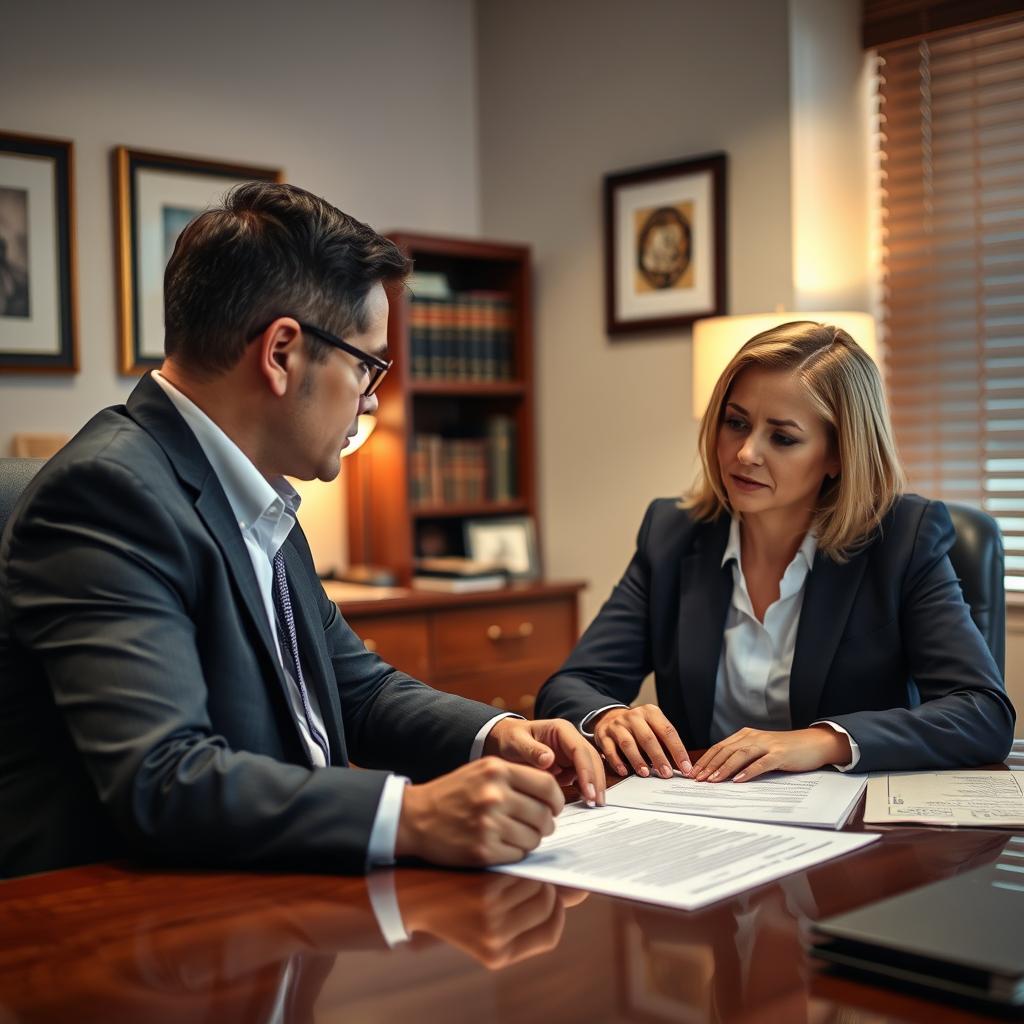
Domesticating Foreign Divorce Decree Lawyer Virginia, VA
Domesticating a foreign divorce decree in Virginia involves asking a Virginia Circuit Court to recognize and enforce a divorce judgment that was issued in another country. The process allows a party to marry again, transfer property, and rely on the decree’s terms in the Commonwealth. Law Offices Of SRIS, P.C. represents clients throughout Virginia in domestication proceedings. Mr. Sris and the firm’s Of Counsel attorneys bring extensive combined legal experience. Results may vary. To request a consultation, reach the firm at (888) 437-7747. Law Offices Of SRIS, P.C. – Advocacy Without Borders.
What Domesticating a Foreign Divorce Decree Means in Virginia
A foreign divorce decree is not automatically enforceable in Virginia. The Commonwealth’s courts apply the principle of comity to determine whether to recognize a judgment from another nation. Generally, a foreign divorce will be recognized if the court that issued it had jurisdiction over the marriage, the decree is final and valid under the law of the issuing country, and recognition does not contravene a strong public policy of Virginia. The process of domestication—also called recognition or enforcement of a foreign divorce—provides a formal order from a Virginia Circuit Court that the decree is entitled to the same effect as a divorce granted in the Commonwealth.
Virginia law does not prescribe a single statutory scheme for domestication; rather, the proceeding draws on procedural rules and the court’s inherent authority. A person who obtained a divorce abroad may file a complaint for domestication in the Circuit Court of the county or city where the party resides or where the decree is to be enforced. The complaint must explain the foreign court’s jurisdiction and attach a certified copy of the decree. Because a foreign judgment may require authentication, an apostille under the Hague Apostille Convention can be helpful, but it is not a strict prerequisite under Virginia’s comity analysis. The Circuit Court reviews the documentation and, if satisfied, enters an order recognizing the foreign divorce.
Domestication can be significant for clients who need the divorce to be final for purposes of remarriage, property division, spousal support, or immigration. Without a domestication order, third parties such as banks, retirement plan administrators, or government agencies may not honor the foreign decree. Experienced multi-state counsel can handle the evidentiary and procedural steps to present a clear record to the Virginia court. Our firm regularly assists individuals and families with domestication matters across Northern Virginia, Central Virginia, and the Hampton Roads region.
How Mr. Sris and the Firm’s Of Counsel Attorneys Handle Domestication Cases
The domestication process begins with a review of the foreign divorce decree and the circumstances under which it was obtained. Counsel assesses whether the issuing court had personal and subject-matter jurisdiction based on the facts at the time of the divorce. If the decree is not in English, a certified translation is obtained. The firm then prepares a complaint for domestication that describes the foreign court’s jurisdiction, verifies the decree’s finality, and identifies why Virginia should recognize it. Supporting affidavits or declarations may be included to meet local evidentiary requirements.
Once the complaint is filed in the appropriate Circuit Court, the matter proceeds on the court’s calendar. An uncontested domestication where the other spouse does not object can often be resolved without a hearing, but the judge may schedule a review to confirm the documentation. If a hearing is held, counsel presents the certified record and addresses any questions the court may raise about the foreign proceedings. Because Virginia applies a deferential standard to foreign judgments under comity, challenges typically concern jurisdiction or finality rather than the substance of the divorce. Throughout the process, Mr. Sris and the firm’s Of Counsel attorneys work to advance the matter efficiently while keeping the client informed of developments.
About Mr. Sris and the Firm’s Of Counsel Attorneys
Mr. Sris, Owner and Founder of Law Offices Of SRIS, P.C., is a former prosecutor who established the firm in 1997. He is admitted to practice in Virginia, Maryland, the District of Columbia, New Jersey, and New York. Mr. Sris testified before the Virginia House Courts of Justice Committee in support of 2019 HB 635 (chief patron Del. David Bulova), a bill that revised the equitable distribution statute. His understanding of Virginia’s family law framework informs the firm’s approach to domestication matters.
The firm’s Of Counsel attorneys contribute extensive combined legal experience in family law proceedings throughout Virginia courts. They bring backgrounds in litigation, international family matters, and multi-jurisdictional practice. Together with Mr. Sris, the team handles the preparation, filing, and presentation of domestication cases. The firm maintains its primary Virginia location in Fairfax and serves clients across the Commonwealth.
Frequently Asked Questions
What is the process to domesticate a foreign divorce decree in Virginia?
The process involves filing a complaint for domestication in the Virginia Circuit Court where the party resides, accompanied by a certified copy of the foreign divorce decree and evidence that the issuing court had proper jurisdiction. The complaint asks the court to issue an order recognizing the decree as valid and enforceable in Virginia. No separate statute of limitations applies specifically to domestication, but the matter should be brought within a reasonable time. Supporting documents may include an apostille if the decree originates from a Hague Convention country. An uncontested case can be resolved without a hearing if the paperwork is complete and the court is satisfied. Our firm guides clients through each step, from document collection through the entry of the recognition order. For guidance on your specific situation, reach Law Offices Of SRIS, P.C. at (888) 437-7747.
Does Virginia automatically recognize a divorce granted in another country?
No, Virginia does not automatically give effect to a foreign divorce decree; recognition requires a domestication proceeding unless the parties can rely on the decree in a later U.S. Legal matter without challenge. Virginia courts apply the principle of comity, which means they generally will recognize a foreign judgment that is final, conclusive, and rendered by a court of competent jurisdiction. However, the party seeking recognition must present the decree to a Virginia court for domestication. Many third parties refuse to honor an unrecognized foreign decree, making the domestication order practically significant. Our attorneys help ensure the foreign decree meets Virginia’s evidentiary standards and appears consistent with due process. To discuss your matter, contact Law Offices Of SRIS, P.C. at (888) 437-7747.
Do I need to appear in court to domesticate the foreign divorce decree?
In many uncontested domestication cases, a personal court appearance is not required if the petition is properly supported, though the court has discretion to schedule a hearing. The need for an appearance depends on the completeness of the documentation and whether the opposing spouse contests the recognition. If all jurisdictional and procedural requirements are clearly met, the court may enter the order on the papers alone. Should a hearing be set, counsel appears on the client’s behalf. Our firm prepares the record to minimize the likelihood that a hearing becomes necessary. For a consultation, reach Mr. Sris and the firm’s Of Counsel attorneys at (888) 437-7747.
How long does the domestication process take in Virginia?
The timeline for domesticating a foreign divorce decree varies depending on the court’s docket, the completeness of the documentation, and whether the other party contests the proceeding. The court schedules the matter according to its own calendar, and the process may move more quickly when the petition is unopposed and the foreign decree plainly meets Virginia’s requirements. International service-of-process rules can add time if the other spouse resides abroad. Our attorneys work to present a thorough record at the outset to facilitate the court’s review. To learn more about what to expect in your case, reach Law Offices Of SRIS, P.C. at (888) 437-7747.
What documents are needed to domesticate a foreign divorce decree in Virginia?
Generally, you will need a certified copy of the foreign divorce decree, along with proof that the issuing court had jurisdiction over the marriage and the proceeding was consistent with due process. If the decree is not in English, a certified translation is required. An apostille or other authentication can assist but is not an absolute prerequisite under Virginia’s comity analysis for every case. Additional affidavits may be necessary to explain the foreign legal system or address jurisdictional facts. Our firm identifies the documents required for your particular situation and assists with obtaining certified copies, securing translations, and preparing the supporting materials. For guidance, reach Law Offices Of SRIS, P.C. at (888) 437-7747.
Norfolk domesticating foreign divorce decree attorney ·
Portsmouth foreign divorce decree recognition lawyer ·
Richmond domesticating foreign divorce decree lawyer
Virginia Code Title 20 — Domestic Relations ·
Virginia Circuit Courts
Attorney advertising. Prior results do not guarantee a similar outcome.
Case results depend on a variety of factors unique to each case.