
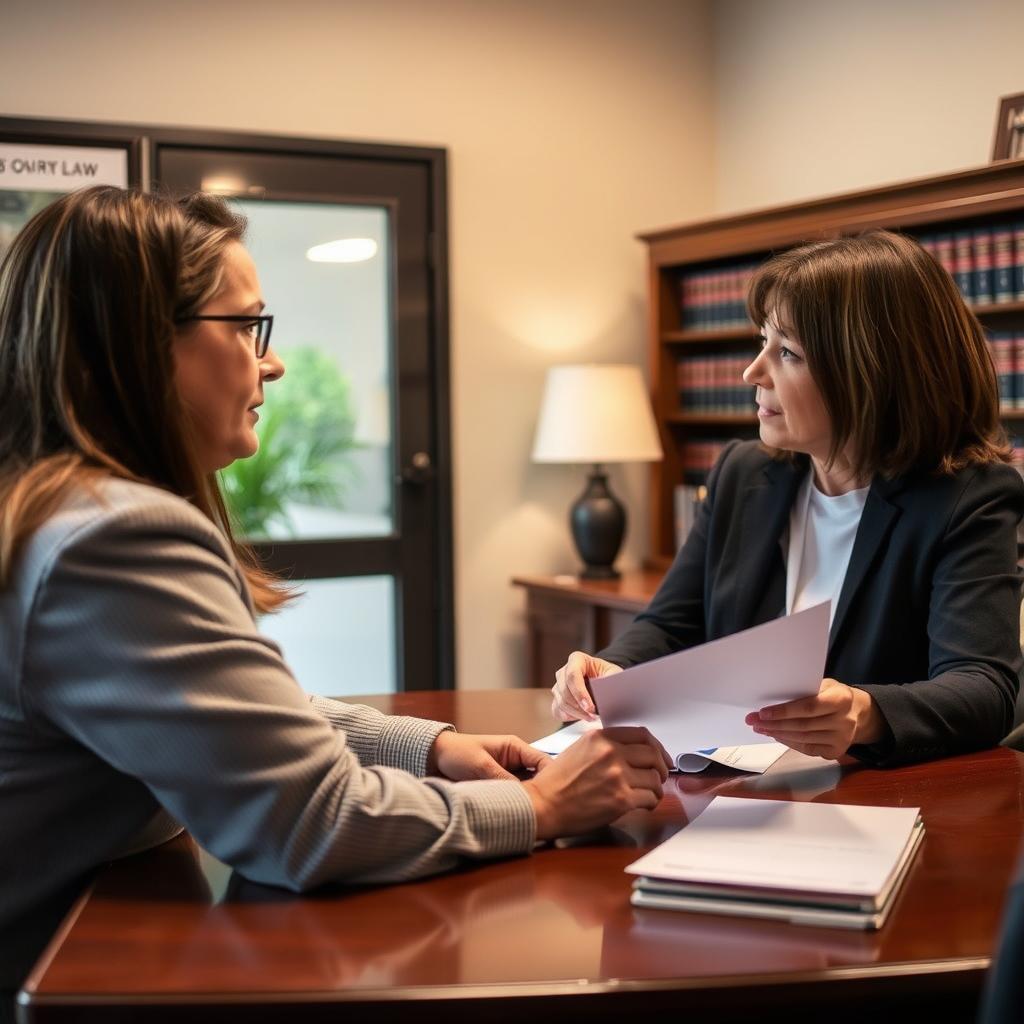
Domestic Abuse Lawyer Colonial Heights, VA
Domestic abuse allegations surface in some of the most difficult family law disputes—divorce, child custody. India is not a signatory to the 1980 Hague Convention on Civil Aspects of International Child Abduction. Spousal support. In Colonial Heights, protective‑order hearings are heard at the Colonial Heights Juvenile and Domestic Relations District Court, while related divorce and equitable‑distribution matters proceed in the Colonial Heights Circuit Court. Virginia law provides specific remedies through protective orders under Va. Code §§ 16.1‑253.1 and 16.1‑279.1, and domestic abuse is a factor that courts must weigh in custody decisions. Law Offices Of SRIS, P.C. represents individuals throughout Colonial Heights who are dealing with domestic abuse in a family‑law context—whether you need an emergency protective order, are navigating custody or divorce where abuse is present, or need to respond to allegations. Mr. Sris and his Of Counsel team bring extensive combined legal experience to domestic‑abuse matters; they appear regularly in Colonial Heights courts and understand how local judges apply the statutory factors. For a consultation, call (888) 437‑7747. Law Offices Of SRIS, P.C. – Advocacy Without Borders.
Practicing since 1997
VA, MD, DC, NJ, NY
English, Spanish, Tamil
(888) 437‑7747
How Domestic Abuse Affects Family Law Matters in Colonial Heights
Under Virginia law, domestic abuse is defined as any act involving violence, force, or threat that results in physical injury or places a family or household member in reasonable fear of death, sexual assault, or bodily injury. The statutory framework provides three tiers of protective orders—Emergency Protective Orders, Preliminary Protective Orders, and Permanent Protective Orders—designed to offer immediate safety while a case moves forward.
In Colonial Heights, protective orders are sought at the Colonial Heights Juvenile and Domestic Relations District Court (550 Boulevard, Colonial Heights, VA 23834). The same court also handles standalone custody, visitation, and child‑support issues that often intersect with domestic‑abuse allegations. When a divorce is filed, the Colonial Heights Circuit Court (also at 550 Boulevard) has jurisdiction over the divorce, equitable distribution, and any fault‑based claims grounded in cruelty or apprehension of bodily harm. Because the two courts have different dockets and judges, having counsel who understands the procedural flow between them is essential.
Colonial Heights General District Court is currently presided over by Hon. Matthew Donald Nelson. Court hours: Mon‑Fri 8:00AM‑4:00PM. Counsel appearing on family law matters should plan filings accordingly.
Protective Orders in Colonial Heights
A person who has been subjected to domestic abuse may petition for a protective order. The process starts with an Emergency Protective Order (EPO), which can be issued by a magistrate or judge after hours and remains in effect for up to 72 hours. Within that window, the petitioner must file for a Preliminary Protective Order (PPO), which lasts up to 15 days and can include no‑contact provisions, temporary custody arrangements, and exclusive use of the residence. A full hearing is then scheduled for a Permanent Protective Order (PO), which may remain in place for up to two years. At the permanent hearing, both sides may present evidence and witnesses, and the judge determines whether abuse occurred and what relief is appropriate.
The Colonial Heights J&DR Court processes protective‑order petitions during its regular business hours. A petitioner typically appears before a judge on the same day for a preliminary order. For emergencies outside business hours, the local magistrate’s office (located within the courthouse) is available 24 hours a day. Law Offices Of SRIS, P.C. assists clients in preparing the petition, gathering supporting evidence, and representing the client at the preliminary and permanent‑order hearings.
Domestic Abuse and Divorce in Colonial Heights
Virginia recognizes cruelty and reasonable apprehension of bodily harm as fault grounds for divorce under Va. Code § 20‑91. When domestic abuse is present, a spouse may file for a fault‑based divorce in the Colonial Heights Circuit Court without waiting for the statutory separation period required for no‑fault cases. The court may also consider abuse when making equitable‑distribution decisions—the 11 factors under Va. Code § 20‑107.3 include the circumstances and factors that contributed to the dissolution of the marriage.
In addition, protective‑order findings can directly affect spousal support. A spouse found to have committed family abuse may be barred from receiving support, and the court must consider any history of family abuse when determining whether spousal support is appropriate. Because these issues are often litigated together, Mr. Sris and his Of Counsel address the interaction between protective‑order cases and divorce proceedings from the outset, ensuring that no procedural misstep compromises a client’s position.
Domestic Abuse and Child Custody in Colonial Heights
Virginia law requires the court to consider any history of family abuse as part of the trusted‑interests‑of‑the‑child analysis under Va. Code § 20‑124.3. A parent who has committed abuse may face restricted visitation, supervised exchanges, or even loss of custody. Conversely, a protective‑order finding that does not involve the children does not automatically strip a parent of custody, but it becomes a heavily weighted factor. The Colonial Heights J&DR Court that handles standalone custody matters also hears protective‑order petitions, so the same judge may be familiar with the family’s history. Mr. Sris and his Of Counsel work to marshal evidence—including police reports, medical records, witness statements, and prior protective‑order findings—to present a clear picture to the court. Results may vary.
How Mr. Sris and His Of Counsel Handle Domestic‑Abuse Cases
Every domestic‑abuse matter begins with a careful review of the facts and the safety of all involved. Mr. Sris and his Of Counsel assist clients in identifying the appropriate relief—whether it is an immediate protective order, modification of an existing custody arrangement, or the filing of a fault‑based divorce. They then prepare the required petitions and accompany clients to every hearing in Colonial Heights.
Because domestic‑abuse cases frequently involve overlapping proceedings—a protective‑order case in the J&DR Court and a divorce or custody case in the Circuit Court—the team coordinates strategy across both courts. They also work with qualified domestic‑violence advocates and counselors when a client needs additional support. Mr. Sris, a former prosecutor, understands how evidence is evaluated and how judges assess credibility. His Of Counsel team includes attorneys with extensive experience in family law and litigation, and together they bring extensive combined legal experience to domestic‑abuse matters. Results may vary.
Frequently Asked Questions
What constitutes domestic abuse under Virginia law?
Virginia defines domestic abuse as any act involving violence, force, or threat that results in physical injury or places a family or household member in reasonable fear of death, sexual assault, or bodily injury. The protected class includes spouses, former spouses, parents, children, stepchildren, siblings, in‑laws who reside together, and those who have a child in common. The definition is broad enough to cover physical assaults, threats of harm, and certain forms of coercive behavior.
How do I file for a protective order in Colonial Heights?
A protective‑order petition is filed at the Colonial Heights Juvenile and Domestic Relations District Court during business hours, or after hours through the magistrate’s office located at the courthouse. The petitioner fills out a form detailing the incident and requests relief such as no‑contact orders, temporary custody, or exclusive possession of the home. An attorney can help draft the petition, gather supporting evidence, and present the case to the judge. An emergency order can be obtained immediately if the petitioner shows that abuse has occurred.
Can a protective order affect my divorce case in Colonial Heights?
Yes, a protective order can directly influence divorce proceedings. A finding of family abuse can serve as a fault ground for divorce, affect equitable distribution, and bar the abuser from receiving spousal support. Courts in Colonial Heights often consider protective‑order findings as persuasive evidence in the related divorce case. Having counsel who handles both the protective‑order and divorce aspects ensures that the two cases are aligned.
Will domestic abuse allegations impact child custody?
Yes, Virginia law requires the court to consider any history of family abuse as part of the trusted‑interests‑of‑the‑child analysis. A parent found to have committed abuse may receive supervised visitation or lose custody entirely. Even if the children were not the direct victims, a pattern of domestic violence in the home is treated as detrimental to the child’s wellbeing. The court may order a Guardian ad Litem to investigate and report on the custody situation.
What if I am falsely accused of domestic abuse?
False accusations can arise in contested divorce and custody cases. A respondent to a protective‑order petition has the right to present evidence, cross‑examine witnesses, and argue that the alleged conduct does not meet the statutory definition of abuse. Mr. Sris and his Of Counsel represent clients on both sides of protective‑order hearings and work to ensure that the court hears a complete and accurate account. The outcome of the hearing can have significant consequences for custody and financial matters.
Do I need a lawyer to obtain a protective order?
You are not required to have a lawyer, but legal representation can improve the likelihood of obtaining a protective order and can help avoid procedural mistakes. An attorney can assist in drafting a petition that clearly describes the abuse, compiling supporting evidence such as photographs, medical records, and witness statements, and presenting arguments at the hearing. At the permanent‑order stage, the opposing party may be represented by counsel, making legal representation particularly important.
How long does a protective order last in Virginia?
An emergency protective order lasts up to 72 hours, a preliminary protective order up to 15 days, and a permanent protective order can remain in effect for up to two years. The court may extend a permanent order for additional two‑year periods upon a motion showing good cause. Violations of a protective order can result in criminal contempt charges, separate from the family‑law proceedings.
Can I get an emergency protective order in Colonial Heights outside normal court hours?
Yes, the magistrate’s office at 550 Boulevard is available 24‑hours a day to issue emergency protective orders. If the J&DR Court is closed, you may go directly to the magistrate, who can issue an emergency order upon a showing of probable cause. The order will be temporary, and you will need to appear in court on the next business day to request a preliminary protective order. An attorney can help you prepare for that appearance and ensure that the emergency order is properly served.
How does domestic abuse affect spousal support?
Under Va. Code § 20‑107.1, a court considering spousal support must weigh any history of family abuse. If the spouse seeking support has been found to have committed family abuse, the court may deny support entirely. Conversely, a spouse who has been the victim of abuse may be awarded support, and the abusive conduct is one of the factors that can justify an award of indefinite duration. Mr. Sris and his Of Counsel present the abuse evidence as part of the spousal‑support analysis.
What should I bring to a consultation about domestic abuse?
Bring any police reports, medical records, photographs of injuries, text messages or emails, witness contact information, and any existing protective orders or court filings. A detailed chronology of events is helpful. The consultation is confidential, and you will discuss the specific facts of your situation with Mr. Sris or his Of Counsel. For a consultation, call (888) 437‑7747 to schedule an appointment at the firm’s Richmond location.
About Mr. Sris and His Of Counsel
Mr. Sris, Owner and Founder of Law Offices Of SRIS, P.C., has practiced law since 1997. A former prosecutor, he brings a distinctive understanding of courtroom dynamics and evidence evaluation to every domestic‑abuse matter. He has testified before the Virginia House Courts of Justice Committee in support of 2019 HB 635 (chief patron Del. David Bulova), legislation that clarified certain procedural aspects of Virginia’s divorce code. Mr. Sris is admitted in Virginia, Maryland, the District of Columbia, New Jersey, and New York.
His Of Counsel team includes experienced family‑law litigators who appear regularly in Colonial Heights courts. They work together to analyze the facts, prepare petitions, and represent clients at protective‑order hearings, custody trials, and divorce proceedings. The team’s collective experience allows them to address the overlapping civil and procedural issues that domestic‑abuse cases present. Results may vary.
Related Family Law Services In Virginia
For family law matters in nearby jurisdictions, visit our pages on:
- Family Law Lawyer Fairfax County, VA
- Family Law Lawyer Prince William County, VA
- Family Law Lawyer Manassas, VA
- Family Law Lawyer Falls Church, VA
- Family Law Lawyer Fairfax, VA
Also see our main Virginia Family Law Practice page.
Outbound Authority Links
The following official sources provide the statutory framework for domestic‑abuse proceedings in Virginia:
- Virginia Code Title 16.1 – Courts Not of Record (Protective Orders)
- Virginia Code Title 20 – Domestic Relations
- Colonial Heights Circuit Court
Attorney advertising. Prior results do not guarantee a similar outcome. Results may vary.
? 1997–2026 Law Offices Of SRIS, P.C. All rights reserved. By appointment only. (888) 437‑7747. Richmond location: 7400 Beaufont Springs Drive, Suite 300, Room 359, Richmond, VA 23225.
Case results depend on a variety of factors unique to each case.