
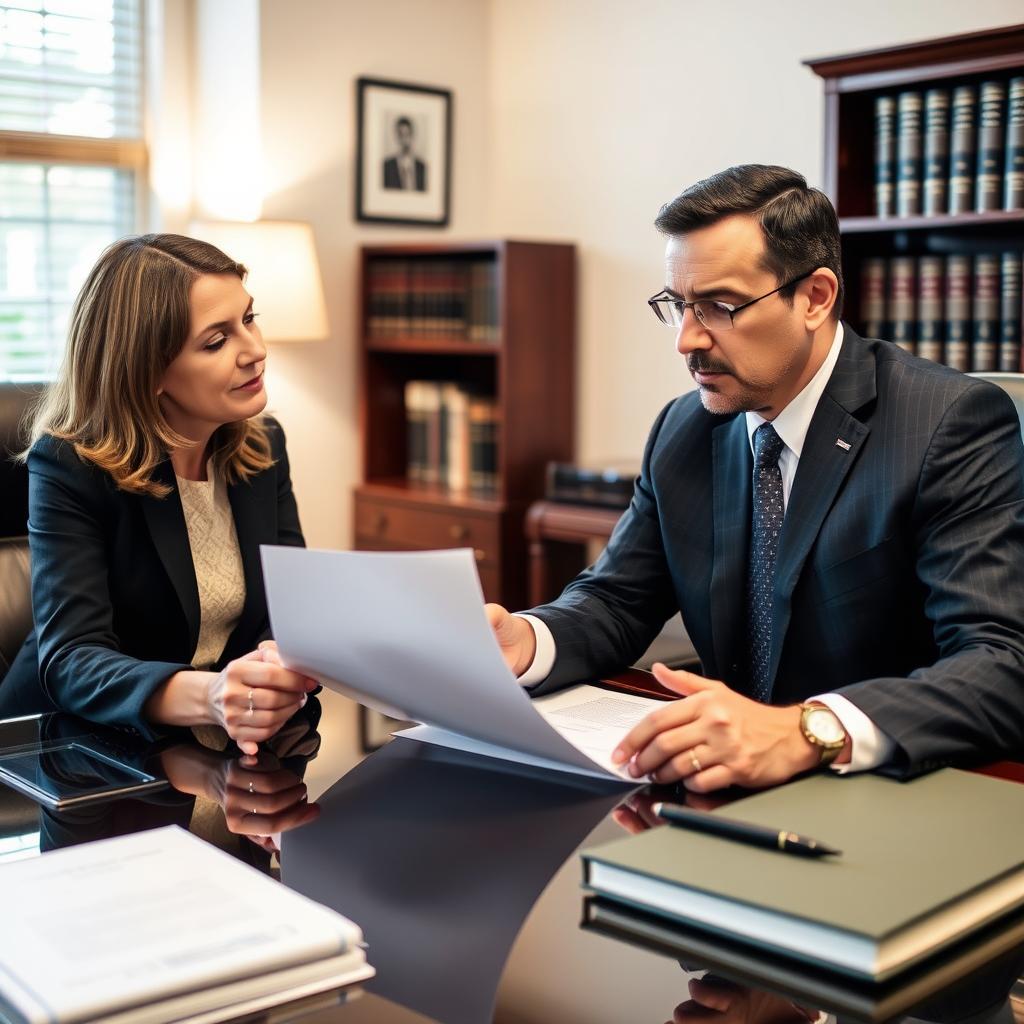
Desertion Divorce Lawyer Rockingham County, VA
Desertion as a ground for divorce in Virginia arises when one spouse willfully leaves the marital home or abandons the marriage for a period of one year without justification. If you are facing the breakdown of your marriage and the other party has deserted you, you may be entitled to file a fault-based divorce complaint in the Rockingham County Circuit Court. The legal standard requires proof that the desertion was willful, continuous, and without your consent, and that the separation has lasted the statutory twelve months. Law Offices Of SRIS, P.C. represents clients in Rockingham County—including Harrisonburg, Bridgewater, Dayton, Elkton, Timberville, and Broadway—who seek to dissolve a marriage on the ground of desertion. Mr. Sris, the firm’s Owner and Founder, brings extensive experience in Virginia family law and can help you evaluate whether desertion applies to your situation, gather the necessary evidence, and present your case before the Circuit Court at 53 Court Square in Harrisonburg. To discuss your circumstances, reach Law Offices Of SRIS, P.C. at (888) 437-7747. Law Offices Of SRIS, P.C. – Advocacy Without Borders.
What Desertion Divorce Means in Rockingham County, Virginia
Under Virginia law, a divorce may be granted on fault grounds—including willful desertion or abandonment—pursuant to Va. Code § 20-91(6). Desertion is not merely a period of living apart; it requires one spouse’s intentional and unjustified departure from the marital relationship, coupled with the intent to remain apart permanently. The complaining spouse must not have consented to the separation, and the desertion must have lasted for at least one year before the divorce complaint may be filed. Virginia is an equitable distribution state, meaning that marital property is divided fairly but not necessarily equally, and the court considers several factors, including the circumstances that led to the dissolution of the marriage, when determining how assets, debts, and support obligations should be allocated.
Rockingham County sits within the Twenty-Sixth Judicial District, and all divorce matters are handled by the Rockingham County Circuit Court. The Circuit Court has exclusive original jurisdiction over divorce actions in Virginia; separate matters involving custody, visitation, child support, or protective orders may also be heard in the Rockingham County Juvenile and Domestic Relations District Court. For a desertion-based divorce, the plaintiff must file a complaint in the Circuit Court, serve the defendant, and present evidence at an ore tenus hearing or by deposition. Because desertion is a fault ground, proving it can require testimony, documentary evidence, and corroboration. An experienced family law attorney can help you build the necessary record and navigate the procedural steps required by the Circuit Court’s calendar. Law Offices Of SRIS, P.C. Appears in Rockingham County courts and can advise you on the specific requirements that apply to your case.
How Mr. Sris and His Of Counsel Handle Desertion Divorce Cases
When a client consults with Law Offices Of SRIS, P.C. about a potential desertion divorce, the first step is a detailed review of the facts of the marriage and separation. Mr. Sris and his Of Counsel examine the timeline, the intent behind the departure, any communications between the spouses, and the overall marital history to determine whether the one‑year desertion requirement has been met and whether there are any defenses or complicating factors—such as consent, condonation, or the other spouse’s fault—that could affect the claim. The firm then advises on the viability of a desertion ground, along with any alternative no‑fault grounds that may be available, so that the client can make an informed decision.
Once a desertion‑based complaint is filed in the Rockingham County Circuit Court, the legal team focuses on marshalling the evidence that will be needed to prove the ground. This may include testimony from the client, witness statements, financial records, and correspondence that demonstrates the defendant’s intent to abandon the marriage. If there are additional issues—such as equitable distribution, spousal support, or child‑related matters—those are addressed concurrently within the same proceeding. Throughout the case, Mr. Sris and his Of Counsel remain attentive to settlement opportunities while preparing for trial, recognizing that many family law matters resolve through negotiation or mediation without the need for a contested hearing. The timeline for resolution varies based on the complexity of the issues and the court’s docket, but the firm works to advance matters as efficiently as possible.
In Virginia, a spouse may file for divorce on the ground of willful desertion or abandonment after the other spouse has been absent for one year without justification (Va. Code § 20-91(6)).
Source: Va. Code § 20-91. Virginia Code – Grounds for Divorce
Reviewed by Mr. Sris, admitted in VA/MD/DC/NJ/NY.
About Mr. Sris and His Of Counsel Team
Mr. Sris, Owner and Founder of Law Offices Of SRIS, P.C., has practiced law since 1997 and is admitted in Virginia, Maryland, the District of Columbia, New Jersey, and New York. His background as a former prosecutor gives him a thorough understanding of courtroom procedure and evidence, skills that he applies in divorce cases involving fault grounds such as desertion. Mr. Sris and his Of Counsel oversees the firm’s family law practice, and he and his Of Counsel bring over 120 years of combined legal experience, backed by 4,739+ documented firm-wide results. Results may vary. The Of Counsel team comprises experienced attorneys who, together with Mr. Sris, provide representation from initial consultation through trial. The firm maintains a location in Woodstock, Virginia, and serves clients throughout the Shenandoah Valley, including Rockingham County. All consultations are by appointment; call (888) 437-7747 to schedule.
Frequently Asked Questions
What must I prove to get a desertion divorce in Virginia?
To obtain a desertion divorce, you must prove that your spouse willfully abandoned the marriage for at least one year without your consent and without justification. The evidence may include testimony, letters, emails, and witness accounts that show the departure was intentional and that the separation has been continuous. Because desertion is a fault ground, the court will examine whether you contributed to the separation or later resumed the marital relationship. An experienced family law attorney can help you gather the evidence and present it effectively at the Rockingham County Circuit Court. Law Offices Of SRIS, P.C. can evaluate your situation during a consultation.
Can I file for desertion if we still live under the same roof?
Generally, desertion requires one spouse to have physically left the marital residence; however, Virginia courts may consider constructive desertion if one spouse makes life so unbearable that the other is forced to leave. True constructive desertion can be complex and fact‑specific. The statutory ground in Va. Code § 20‑91(6) typically involves physical departure, and the one‑year clock starts when the deserting spouse leaves without intent to return. If you are still living together, desertion may not yet apply, but other fault or no‑fault grounds could be available. Consult with counsel to determine an appropriate approach for your circumstances.
How does a desertion divorce affect property division and support?
Fault grounds such as desertion can influence a Virginia court’s equitable distribution analysis and spousal support determination. Under Va. Code § 20‑107.3, the court may consider the circumstances and factors that contributed to the dissolution of the marriage, including a spouse’s desertion, when dividing marital property. Similarly, a spouse’s fault can affect whether spousal support is awarded and in what amount, though it is only one of many statutory factors. A desertion claim therefore may have both procedural and financial consequences, which should be discussed thoroughly with a knowledgeable attorney before filing.
How is a desertion divorce different from a no‑fault divorce in Virginia?
A desertion divorce is fault‑based and does not require the separation period that a no‑fault divorce requires, but it does require proof of the other spouse’s wrongful abandonment for at least one year. A no‑fault divorce under Va. Code § 20‑91(9) needs a six‑month separation (if no minor children and a signed agreement) or a one‑year separation, regardless of fault. Because desertion is a fault ground, it may speed up the timeline in some cases and can affect property and support outcomes. However, proving desertion raises the evidentiary burden. Mr. Sris and his Of Counsel can help you weigh the strategic advantages and risks of each approach based on the facts of your marriage.
Do I need a lawyer for a desertion divorce in Rockingham County?
You are not required to hire an attorney, but given the evidentiary demands of proving desertion, the procedural rules of the Rockingham County Circuit Court, and the potential impact on property and support, having experienced legal representation can help you present your case effectively. A lawyer can assist with drafting and filing the complaint, gathering corroborating evidence, and arguing the ground at trial. Law Offices Of SRIS, P.C. has represented clients in Rockingham County family law matters and can provide guidance tailored to your situation. To discuss your case, reach the firm at (888) 437‑7747.
What if my spouse moved to another state? Can I still file for desertion in Virginia?
Yes, as long as you meet Virginia’s residency requirement—one of the parties must have been a resident and domiciliary of Virginia for at least six months before filing—you may file a desertion‑based divorce in Rockingham County even if the deserting spouse now lives elsewhere. Service of process on an out‑of‑state spouse must comply with Virginia long‑arm jurisdiction and the rules of civil procedure. Depending on the circumstances, the court may have personal jurisdiction over the nonresident spouse if the last marital residence was in Virginia or if other statutory prerequisites are met. Consult with an attorney to ensure proper service and jurisdictional requirements are satisfied.
Additional Resource Links
For more information, explore these related pages: Family Law Lawyer Clarke County · Family Law Lawyer Shenandoah County · Family Law Lawyer Frederick County · Family Law Lawyer Warren County · Family Law Lawyer Augusta County
Primary sources: Virginia Code Title 20 (Domestic Relations) · Rockingham County Circuit Court
Attorney advertising. Prior results do not guarantee a similar outcome. Results may vary. This page is not legal advice and does not create an attorney‑client relationship. Engaging Law Offices Of SRIS, P.C. Requires a signed engagement agreement. Attorney responsible for this advertising: Mr. Sris.
Case results depend on a variety of factors unique to each case.