
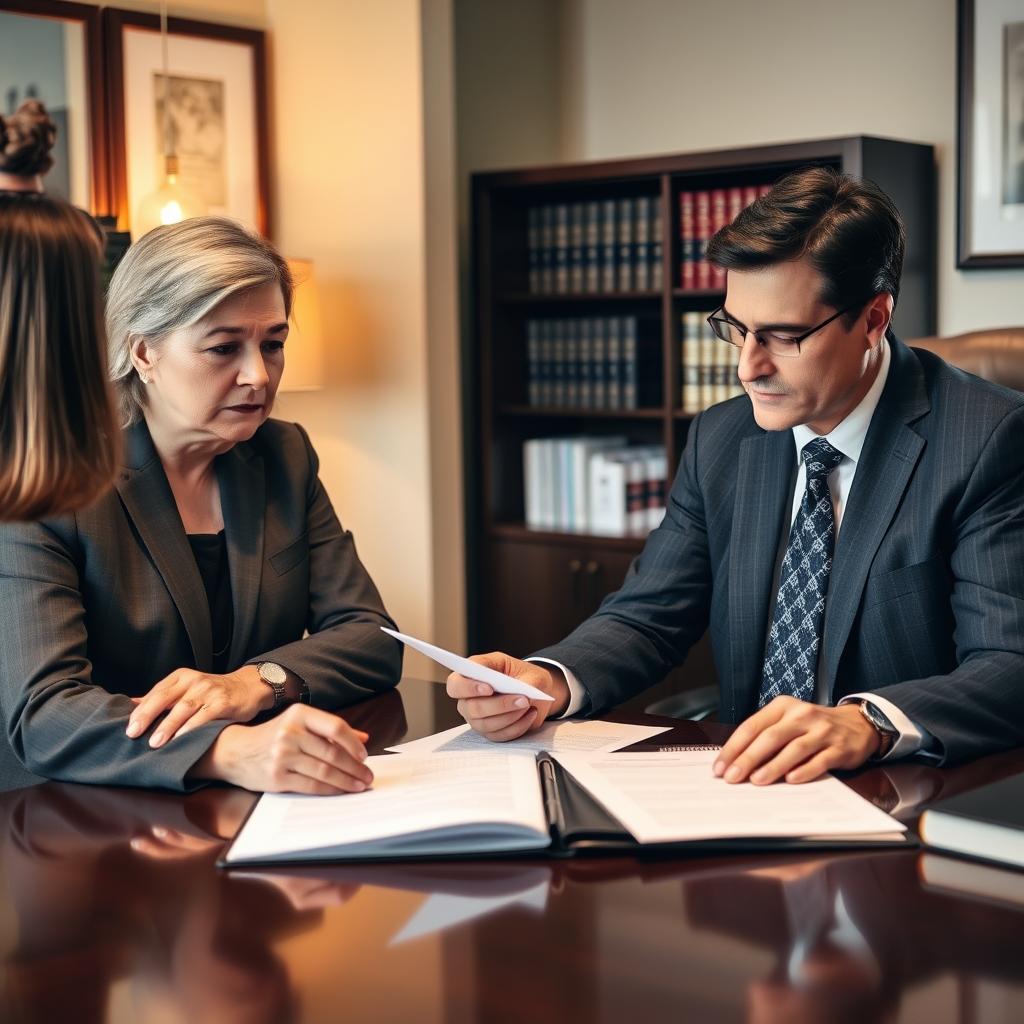
Cruelty Divorce Lawyer Fauquier County, VA
You have lived with constant fear, verbal attacks, or physical intimidation in your marriage, and now you are considering whether a cruelty divorce in Fauquier County could end it. Perhaps the final straw was a threat you could no longer ignore, or a pattern of behavior that left you feeling unsafe in your own home. You need to know whether Virginia law provides a path out and how to protect yourself and your children during the process. Law Offices Of SRIS, P.C. – Advocacy Without Borders.
A cruelty divorce is one of the fault grounds available under Va. Code § 20‑91. It allows a spouse to file for divorce without waiting through the full separation period required for a no‑fault divorce, provided the court finds that the other spouse’s conduct created a reasonable apprehension of bodily harm. In Fauquier County, these matters are heard in the Circuit Court, which is located at 6 Court Street in Warrenton. Mr. Sris and his Of Counsel team have helped individuals in communities throughout Fauquier County—including Warrenton, New Baltimore, Bealeton, Marshall, and The Plains—navigate the emotional and procedural demands of a fault‑based divorce. To discuss your situation, call (888) 437‑7747.
Strategy Options When Considering a Cruelty Divorce in Fauquier County
Before filing, it is important to understand the practical path a cruelty divorce takes. You and your attorney will need to decide whether to pursue the cruelty ground from the outset or to start with a protective posture while you gather evidence.
Filing on the statutory ground of cruelty. The complaint must allege facts that, if proven, establish that your spouse’s actions caused a reasonable fear of bodily injury. The law does not require that you have actually been physically harmed; emotional terror alone is insufficient—there must be conduct that would cause a reasonable person to fear for their physical safety. Often the evidence includes police reports, photographs, medical records, text messages, or testimony from witnesses who have observed threatening behavior.
Settlement while preserving the cruelty claim. Many cruelty divorce cases resolve before trial. The parties may reach a comprehensive property settlement agreement. Even when the case settles, the cruelty ground can still be asserted, but if the matter goes to an uncontested hearing, corroborating testimony is required. A corroborating witness—who knows the facts but is not a party—must provide testimony supporting the cruelty allegation.
Seeking pendente lite relief. While the divorce is pending, the court can enter temporary orders for spousal support, child custody, and exclusive use of the family home. This is especially important when a spouse needs immediate protection and financial stability before the final decree.
What to Expect When You File for a Cruelty Divorce in Fauquier County Circuit Court
All divorce cases in Fauquier County, including cruelty divorces, are filed in the Circuit Court at 6 Court Street. Here is a general overview of the process:
1. Preparation and filing. Your attorney prepares a complaint that details the grounds for divorce and any requests for equitable distribution, spousal support, custody, and attorney’s fees. The complaint is filed along with the required filing fee. After filing, the court issues a civil case number and the complaint is served on your spouse.
2. Service and response. Your spouse will have a specified time to file an answer. If they contest the cruelty ground, the case moves into contested litigation.
3. Pendente lite motions. If you need immediate support or custody orders, your attorney can file motions for temporary relief. The court schedules a hearing, often within weeks, to address these urgent issues.
4. Discovery and settlement efforts. Both sides exchange financial documents, take depositions, and may retain attorneys such as business valuators if complex assets are involved. Throughout discovery, your attorney will also explore settlement. Many cases avoid trial when both parties recognize the evidence and agree to a resolution.
5. Trial or final hearing. If the case does not settle, the court holds a trial. You will need to present evidence of cruelty. A corroborating witness must testify to facts that support your account. The judge then decides whether the cruelty ground is proved and makes rulings on property division, support, and custody.
Each cruelty case follows its own timeline. The court’s docket, the complexity of the disputed issues, and the availability of witnesses all influence how long the process takes.
How a Cruelty Finding Affects the Outcome of Your Divorce
Unlike a no‑fault divorce, where neither spouse is blamed for the breakdown of the marriage, a cruelty finding can alter the financial equities. Under Virginia’s equitable distribution statute, Va. Code § 20‑107.3, the court considers the circumstances that led to the dissolution of the marriage. When cruelty is established, the judge may weigh the offending spouse’s behavior as a factor in dividing marital property and awarding or denying spousal support. For example, a spouse who has been subjected to cruelty may receive a larger share of the marital estate or a more favorable support award.
Cruelty is also one of the fault grounds that eliminates the need for a separation period. Under Va. Code § 20‑91, a spouse who proves cruelty can file for divorce immediately—there is no requirement to live apart for six months or a year before the court will grant the divorce. This can be critical for someone who needs to sever the marital tie quickly for financial or safety reasons.
Finally, a cruelty finding does not automatically decide custody. The court independently determines custody based on the best interests of the child under Va. Code § 20‑124.3. However, if the cruelty involved conduct that also endangered a child, that fact will be relevant to the custody analysis.
About Mr. Sris and His Of Counsel Team
Mr. Sris is a former prosecutor who founded Law Offices Of SRIS, P.C. in 1997. He understands how evidence is built, challenged, and weighed in a courtroom—experience that translates directly to the task of presenting a cruelty case to a judge. He testified before the Virginia House Courts of Justice Committee in support of 2019 HB 635 (chief patron Del. David Bulova). Mr. Sris is admitted in Virginia, Maryland, the District of Columbia, New Jersey, and New York.
Mr. Sris works alongside a team of Of Counsel attorneys who, together, bring over 120 years of combined legal experience. Results may vary. The firm has achieved over 4,739+ documented firm-wide results. The firm’s Fairfax Location at 4008 Williamsburg Court serves clients throughout Fauquier County. Every matter is handled by appointment; call (888) 437‑7747 to schedule a consultation.
Frequently Asked Questions About Cruelty Divorce in Fauquier County
What is a cruelty divorce under Virginia law?
A cruelty divorce is a fault‑based divorce granted when one spouse’s conduct creates a reasonable apprehension of bodily harm. Under Va. Code § 20‑91, the behavior does not have to result in actual physical injury; what matters is whether a reasonable person in the same circumstances would fear for their safety. The court needs credible evidence—such as threatening messages, violent outbursts, or testimony from witnesses—to make the finding.
How do I prove cruelty in a Fauquier County divorce case?
You prove cruelty by presenting evidence that demonstrates your spouse’s behavior caused a reasonable fear of bodily harm. Typical evidence includes police reports, protective orders, photographs of injuries or property damage, medical records, text messages or emails containing threats, and testimony from family members, friends, or neighbors who witnessed the conduct. At trial, a corroborating witness—someone who has independent knowledge of the facts—must also testify in support of your claim.
Do I need a lawyer for a cruelty divorce in Fauquier County?
While you may represent yourself, fault‑based divorces are procedurally complex and having an experienced attorney is important. Credibility, evidentiary rules, and the need to present corroborating testimony mean that even small mistakes can weaken your case. An attorney can help you gather the right evidence, navigate the procedural requirements of the Fauquier County Circuit Court, and negotiate a settlement that protects your interests.
How long does a cruelty divorce take in Fauquier County?
The timeline depends on whether the case is contested and the court’s schedule. If your spouse admits the cruelty and both sides agree on all other issues, the divorce can be finalized relatively quickly because there is no mandatory separation period. Contested cruelty cases, especially those involving disputed property division or custody, take longer. The court’s docket in the Twentieth Judicial District also affects the pace.
Can cruelty affect child custody?
Yes, if the cruelty involved conduct that endangered the child or demonstrated a parent’s disregard for the child’s wellbeing. Virginia courts always decide custody based on the best interests of the child under Va. Code § 20‑124.3. When one parent has been violent, threatening, or emotionally abusive in front of the child, that behavior becomes a factor in the custody analysis.
What if my spouse denies the cruelty allegations?
Your attorney will help you build a case using available evidence so a judge can decide. Denial is common. The burden rests on you to prove the cruelty ground by a preponderance of the evidence. A well‑organized presentation of documentary and witness evidence is essential. Even if the cruelty is disputed, the threat of an adverse ruling often motivates settlement negotiations.
Is a cruelty divorce more expensive than a no‑fault divorce?
Legal fees are driven by the complexity of the case and the amount of court time required, not by the label of the ground. A cruelty case that goes to trial will involve more preparation, longer hearings, and possibly expert testimony—all of which increase costs. However, many parties resolve even contested fault‑based divorces through a settlement. To discuss the details of your situation, call (888) 437‑7747.
What is a corroborating witness, and do I need one?
A corroborating witness is a person who testifies to facts that independently support your cruelty claim. In Virginia, an uncontested divorce—including one based on cruelty—requires at least one corroborating witness at the final hearing. This witness must have personal knowledge of the behavior you are alleging. If the matter goes to trial, additional witnesses may be called.
What happens if I cannot prove cruelty?
If the evidence does not support the cruelty ground, the court may dismiss the fault claim. You may still be able to obtain a divorce on a no‑fault ground after meeting the required separation period. Your attorney can discuss alternative strategies if the cruelty evidence is weak. An experienced attorney can also help you decide whether to proceed on the fault ground or to negotiate a settlement that avoids a contested hearing.
How does a cruelty divorce affect property division?
When cruelty is proven, the judge may consider the offending spouse’s conduct when deciding equitable distribution. Under Va. Code § 20‑107.3, one of the statutory factors is the circumstances and factors that contributed to the dissolution of the marriage. A cruelty finding can justify awarding a larger share of marital property to the victimized spouse.
Can I get a protective order while pursuing a cruelty divorce?
Yes, you may seek a protective order through the Fauquier County Juvenile and Domestic Relations Court while your divorce is pending in Circuit Court. A protective order can provide immediate safety and also serve as evidence in the cruelty proceeding. The two cases proceed independently, but the existence of a protective order can strengthen your cruelty claim.
Where do I start if I am considering a cruelty divorce in Fauquier County?
Your first step should be to consult with a family law attorney who handles fault‑based divorces in Fauquier County. Gather any relevant documents you have—text messages, emails, photographs, medical records—before the meeting. The attorney can assess the strength of your cruelty claim, explain the process, and help you decide on the path that best protects your safety and your future. To schedule a consultation with Mr. Sris and his Of Counsel team, call (888) 437‑7747.
For a detailed statutory breakdown of Virginia divorce law, visit our main firm analysis at srislawyer.com.
Law Offices Of SRIS, P.C.
Fairfax Location
4008 Williamsburg Court
Fairfax, VA 22032
(888) 437‑7747
By appointment only. Call to schedule.
Attorney advertising. Prior results do not guarantee a similar outcome. Case results depend on a variety of factors unique to each case. Results may vary.