
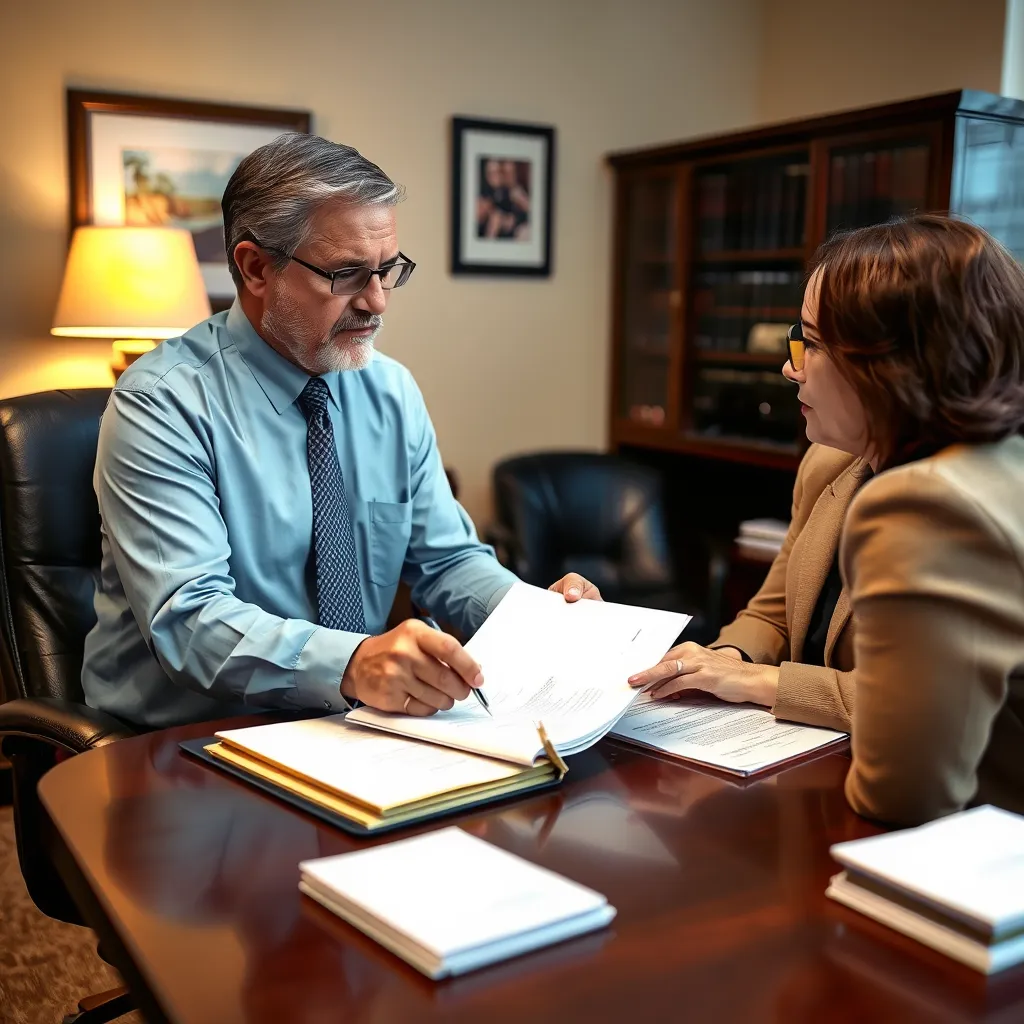
Child Support Enforcement Lawyer Manassas, VA
Navigating the complexities of child support enforcement in Virginia can feel overwhelming. When financial obligations to children are not met, the process of securing necessary funds requires more than just filing paperwork—it requires strategic legal action. At Law Offices Of SRIS, P.C., we understand that child support is not merely a financial transaction; it is the lifeline for your child’s stability and future. Our dedicated team of Child Support Enforcement Lawyers in Manassas, VA, has been helping families secure the financial support they deserve since 1997. Whether you are dealing with arrearages, wage garnishment issues, or navigating modifications, our goal is to provide clear, active, and effective representation tailored to the specific laws of Virginia.
If you are facing difficulties enforcing existing child support orders in Manassas, VA, please do not wait. The law requires prompt action, and delays can jeopardize your case. Reach our Manassas location directly by calling (888) 437-7747 to schedule a confidential consultation with an experienced attorney.
Understanding Child Support Enforcement in Virginia
Child support laws are designed to ensure that parents can provide for their children’s basic needs, covering everything from food and shelter to education. However, the system is complex, and non-compliance—whether intentional or accidental—is common. When a parent fails to pay support according to a court order, the enforcement process begins. This process involves several mechanisms, and knowing which one applies to your situation is critical.
What Constitutes Child Support Arrearages?
Arrearages are the accumulated unpaid child support amounts that have built up over time. These amounts can sometimes exceed the original support order amount, making the debt substantial. Virginia law provides mechanisms to collect these past-due payments. Our practice involves calculating these arrearages accurately and working with the court system to establish a clear repayment plan or lump-sum collection strategy. The severity of the arrearage often dictates the urgency and aggressiveness of the legal tactics required.
Methods of Enforcement Available in Virginia
Virginia courts have several powerful tools at their disposal to ensure compliance. These methods can include: Wage Garnishment (deducting funds directly from a paycheck), Bank Account Freezing/Garnishment, and License Suspension. Each method requires specific court filings and adherence to strict statutory deadlines. Our attorneys are deeply familiar with the procedural requirements in Manassas and throughout Prince William County to ensure that any enforcement action taken is legally sound and maximizes your chances of recovery.
How Mr. Sris and the Firm’s Of Counsel Attorneys Handle Child Support Cases in Manassas
Enforcing child support payments requires a blend of deep legal knowledge, meticulous procedural adherence, and direct communication with the court system. When clients come to Law Offices Of SRIS, P.C., they are often dealing with high-stress situations where the immediate financial needs of their children are at stake. Our approach is always highly personalized. We begin by conducting a comprehensive review of all existing court orders, payment histories, and any relevant documentation to build an unassailable case for enforcement.
The process typically involves filing motions with the appropriate Manassas court to initiate collection actions. Depending on whether the non-payment is due to wage issues or asset concealment, we may pursue wage garnishment through the employer or file civil actions to freeze bank assets. Our team excels at navigating the nuances of Virginia’s enforcement statutes, ensuring that every filing meets the strict requirements necessary for the court to act swiftly and decisively. We are committed to achieving tangible results, whether that means securing regular payments or recovering significant back support.
Furthermore, we understand that child support issues often intersect with custody disputes or modifications of support. Our attorneys work collaboratively with our family law attorney to ensure that the enforcement action is consistent with the overall goals of the family unit. By managing both the legal filings and the complex interpersonal dynamics involved, we provide a holistic defense and recovery strategy. If you need assistance with securing support payments in Manassas, VA, please contact us today; our experience in this area makes a significant difference.
About Mr. Sris and the Firm’s Of Counsel Attorneys
Law Offices Of SRIS, P.C. has built its reputation on a foundation of diligent advocacy and deep commitment to client outcomes. Mr. Sris, Owner and Founder, brings decades of experience to every case. As a former prosecutor, he possesses an intimate understanding of criminal procedure and civil litigation tactics, which is invaluable when dealing with the enforcement mechanisms that often overlap with other family law disputes. His extensive background, combined with his admission in Virginia, Maryland, the District of Columbia, New Jersey, and New York, allows us to provide a multi-jurisdictional perspective on complex family matters.
The firm’s Of Counsel attorneys are highly specialized practitioners who work alongside our core team to manage the breadth of cases we handle. They bring varied experience across different legal disciplines, ensuring that whether your case involves wage garnishment in Prince William County or asset tracing in Fairfax County, you receive experienced counsel. We maintain a rigorous standard of care, ensuring that every client benefits from the collective knowledge and experience housed within our Manassas location. We are dedicated to providing clear communication and active representation at every stage.
Comprehensive Child Support Enforcement Representation in Prince William County
Securing financial support is a right, not a privilege, and the law provides robust avenues for enforcement. However, these avenues are only as effective as the legal strategy employed. Our Manassas location serves the entire Prince William County area, understanding that local nuances—such as specific court rules or county-level wage collection protocols—must be addressed. We guide clients through every step, from initial consultation to final payment receipt.
Addressing Non-Compliance and Evasion
Some parents attempt to evade support obligations by changing jobs, moving residences, or failing to disclose income. These actions are not only illegal but also undermine the stability of the child. Our attorneys are skilled at investigating these evasive tactics. We utilize discovery tools and subpoenas to uncover accurate financial information, ensuring that the court has a complete picture of the obligor’s ability to pay. This proactive investigation is often the key differentiator between a stalled case and a successful recovery.
The Importance of Timely Legal Action
Statutes of limitations and procedural deadlines are strict in Virginia. Missing a deadline can mean losing your right to enforce a claim, regardless of how strong the underlying debt is. When you contact our Manassas location, we immediately assess the timeline for your case. We advise you on the most immediate and effective legal steps required to keep your enforcement action moving forward without delay.
Frequently Asked Questions About Child Support Enforcement
What happens if I cannot locate the other parent?
Even if the other parent moves or becomes difficult to locate, Virginia law provides mechanisms for service by publication or through investigative services. Our attorneys know how to petition the court to move forward with enforcement actions using alternative methods of notification.
Can I garnish wages if the parent is self-employed?
Yes, but it requires a different legal process. If the parent is self-employed, we must petition the court to compel them to provide financial records or to establish an alternative income source that can be legally garnished or seized.
How long does child support enforcement take?
The timeline varies significantly depending on the complexity of the case, the cooperation of the other party, and the court’s backlog. While we work to expedite every step, it is a process that requires patience and persistence.
Does my income affect the support amount?
Yes. Child support calculations are based on both the paying parent’s income and the receiving parent’s income, as well as the number of children. We ensure that all relevant income sources are accounted for in the calculation.
What is the difference between child support and spousal support?
Child support is specifically for the care of minor children. Spousal support (alimony) is intended to help one spouse maintain a standard of living after the marriage ends. They are governed by separate sets of laws.
Can I use my own assets to pay support if I cannot garnish wages?
In some cases, the court may authorize payments from other sources, including liquidating certain assets or using specific funds, depending on the overall financial picture and the judge’s discretion.
What if the support order is old?
The age of the order does not negate the debt. If the order is old, it simply means the arrearages are more substantial, requiring a more robust and detailed enforcement strategy to recover.
Do I need to hire an attorney for child support enforcement?
While some aspects can be handled by self-representation, the complexity of wage garnishment, asset tracing, and navigating court rules makes professional legal counsel highly advisable. An attorney ensures all statutory deadlines are met.
Need a Child Support Enforcement Lawyer in Manassas, VA?
Dealing with child support enforcement is emotionally and financially draining. You need an advocate who is active, knowledgeable about Virginia law, and deeply committed to your family’s best interests. Do not attempt to navigate these complex statutes alone. Our Manassas location provides the local experience you need, combined with the experience of our attorneys admitted across five major jurisdictions.
Take the first step toward securing the financial stability your children deserve. Call Law Offices Of SRIS, P.C. at (888) 437-7747 today to speak with a dedicated Child Support Enforcement Lawyer. We are ready to advocate for you.
Disclaimer: The information provided on this website is for informational purposes only and does not constitute legal advice. Every case is unique, and the outcome of any legal matter depends entirely on the specific facts, evidence, and applicable law. You must consult with a qualified attorney to discuss your particular situation.
Case results depend on a variety of factors unique to each case.
Attorney advertising. Prior results do not guarantee a similar outcome.