
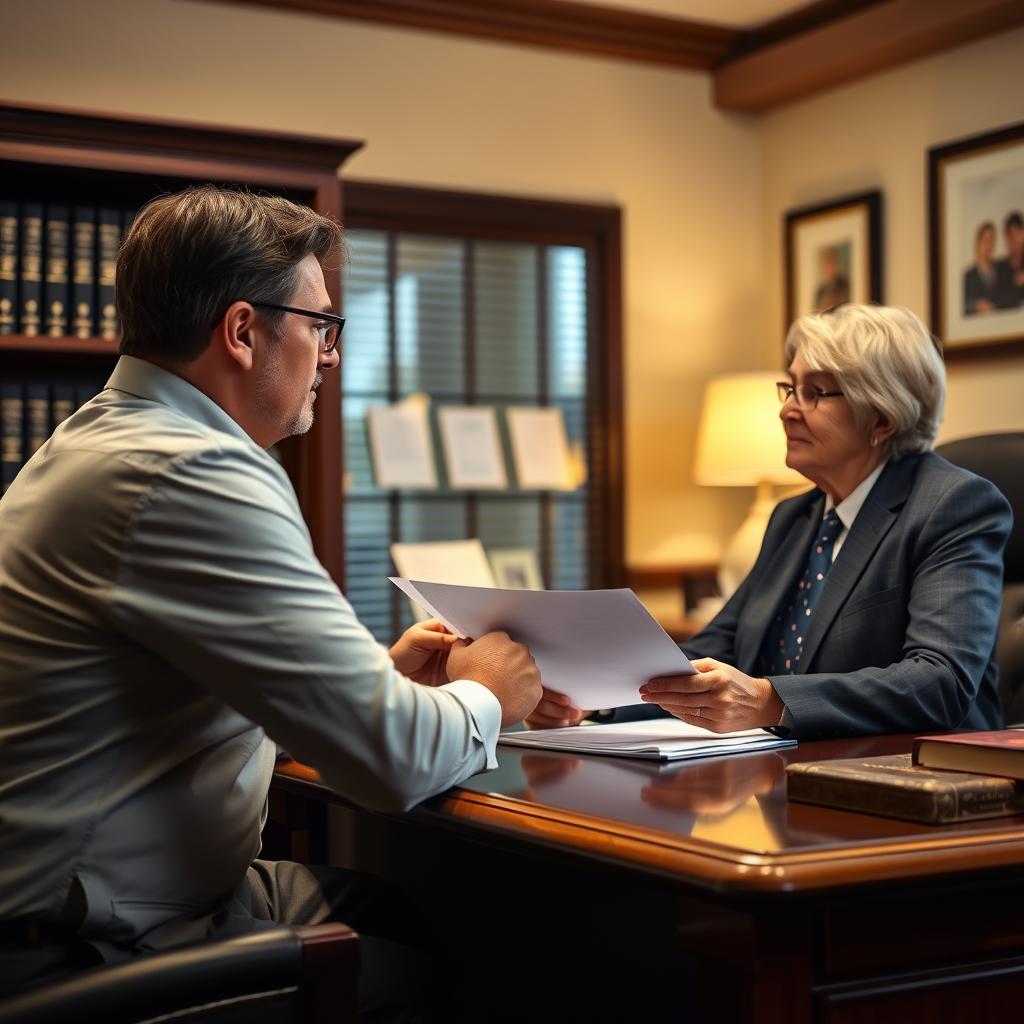
Alimony Modification Lawyer Dinwiddie County, VA
You and your former spouse have followed a court-ordered alimony arrangement for years. Then your employment situation shifts—perhaps a layoff, a medical leave, or a company restructuring. Or maybe your former spouse’s income has increased dramatically while your own earning capacity has diminished. Suddenly the payment that once felt manageable no longer reflects the financial reality of either household. In Dinwiddie County, Virginia, alimony obligations are not set in stone. When a material change in circumstances affects either party’s ability to pay or need for support, the Circuit Court has the authority to modify spousal support. Mr. Sris and his Of Counsel team help clients present that evidence to the Dinwiddie County Circuit Court. Reach Law Offices Of SRIS, P.C. at (888) 437-7747 to schedule a consultation. Law Offices Of SRIS, P.C. – Advocacy Without Borders.
What Alimony Modification Means in Dinwiddie County
In Virginia, spousal support awards are governed by the factors listed in Va. Code § 20-107.1. A court that originally ordered alimony considered those factors—the duration of the marriage, the standard of living established during the marriage, the age and health of each party, and the earning capacities of both spouses, among others. If a substantial, unanticipated change occurs in one of those areas after the final decree, either the payor or the recipient may petition the court to modify the existing order. For Dinwiddie County residents, the petition is filed with the Dinwiddie County Circuit Court, which is part of the Eleventh Judicial District. The court sits at the Dinwiddie Courthouse in Dinwiddie, Virginia. Mr. Sris and his Of Counsel regularly appear before the Circuit Court to argue modification motions.
The threshold question in every modification case is whether the change in circumstances is material and not merely a temporary fluctuation. A modest cost-of-living increase alone is rarely enough. But a documented, involuntary income reduction, a serious health condition that prevents the paying spouse from maintaining the same employment, or a significant improvement in the recipient spouse’s earnings can all satisfy the material-change standard. The judge will re-weigh the statutory factors in light of the new facts. Because Dinwiddie County is a relatively compact jurisdiction, the court’s familiarity with local employment patterns and cost-of-living indicators often shapes how the evidence is evaluated.
How Mr. Sris and His Of Counsel Handle Alimony Modification Cases
Mr. Sris and his Of Counsel approach an alimony modification proceeding as a fact-intensive inquiry. The first step is to identify exactly what has changed since the original support order and to gather documentation that proves the change is substantial—pay stubs, tax returns, medical records, termination letters, or evidence of the other spouse’s increased income. The team then prepares a motion to modify, supported by an affidavit that lays out the claimed change and attaches the supporting exhibits. In Dinwiddie County, the motion is filed with the Circuit Clerk and served on the opposing party or their counsel.
Once the motion is on file, the court will schedule a hearing. At the hearing, Mr. Sris or an Of Counsel attorney presents the evidence, examines witnesses, and argues why the modification is warranted under the statutory factors. Because the same court will typically have heard the original divorce, the judge brings a baseline understanding of the parties’ financial history. The attorney’s role is to demonstrate how the current circumstances differ from the circumstances that existed at the time of the original award. Throughout the process, the firm works to resolve the matter efficiently—many modification disputes settle once one side sees the documentary evidence, avoiding the need for a full evidentiary hearing.
About Mr. Sris and His Of Counsel Team
Mr. Sris, Owner and Founder of Law Offices Of SRIS, P.C., has practiced family law in Virginia since 1997. He is admitted in Virginia, Maryland, the District of Columbia, New Jersey, and New York. Mr. Sris testified before the Virginia House Courts of Justice Committee in support of 2019 HB 635 (chief patron Del. David Bulova). His Of Counsel team includes attorneys with extensive collective legal experience in family law matters across the Commonwealth. For clients in Dinwiddie County, the firm’s Richmond location provides a convenient base for trial preparation and court appearances. The attorneys work collaboratively, drawing on each other’s knowledge to build a well-prepared presentation for the Circuit Court. Results may vary.
Frequently Asked Questions
When can I modify alimony in Virginia?
Alimony can be modified when a material, unanticipated change in circumstances affects either party’s ability to pay or need for support. The change must be more than a temporary or trivial fluctuation. Examples include a significant involuntary loss of income, a serious health condition, or a substantial increase in the recipient spouse’s earnings. The petition is filed in the Circuit Court that issued the original order, which for Dinwiddie County residents is the Dinwiddie County Circuit Court.
How does the court decide an alimony modification request?
The court reviews the same statutory factors from Va. Code § 20-107.1 that guided the initial award, but through the lens of the current facts. The judge considers the duration of the marriage, the standard of living during the marriage, each party’s age and health, their earning capacities, and any other relevant circumstances. The burden is on the moving party to show that the change is material and not self-inflicted. Legal representation helps ensure that the appropriate evidence is collected and presented in a persuasive manner.
What qualifies as a material change in circumstances for alimony?
A material change is one that substantially alters the financial dynamic that existed when the original order was entered. For a payor, a permanent job loss, a disabling injury, or a dramatic reduction in income can qualify. For a recipient, the completion of an educational program, a significant promotion, or cohabitation with a new partner who provides financial support may constitute a material change. Each case is evaluated on its specific facts, and the Dinwiddie County Circuit Court retains discretion to determine whether the change justifies a modification.
Do I need a lawyer for alimony modification in Dinwiddie County?
You are not legally required to hire a lawyer, but an experienced family law attorney can significantly improve your ability to present a persuasive case. Modification proceedings involve procedural requirements, evidentiary rules, and statutory nuances. Mr. Sris and his Of Counsel team handle all aspects of the motion, from drafting and filing to argument. They also help opposing parties negotiate a stipulation that can resolve the matter without a contested hearing. To discuss the details of your matter, contact Law Offices Of SRIS, P.C. at (888) 437-7747.
How long does an alimony modification take in Dinwiddie County?
The timeline depends on the court’s calendar, the complexity of the issues, and whether the opposing party contests the motion. Once a motion is filed, the clerk assigns a hearing date. If both sides agree on the modification, a consent order can often be entered relatively quickly. Contested matters may take longer because discovery and evidentiary hearings are necessary. Mr. Sris and his Of Counsel keep clients informed of scheduling developments throughout the process.
How much does it cost to modify alimony?
Costs vary depending on the complexity of the case, the amount of documentary evidence required, and whether the motion is contested. Uncontested modifications typically involve fewer attorney hours than motions that go to a full hearing. Law Offices Of SRIS, P.C. offers consultations by appointment so that you can discuss your particular situation and receive an estimate of the fees involved before you decide to proceed.
For guidance on your specific situation, reach Law Offices Of SRIS, P.C. at (888) 437-7747.
Related Family Law Resources: Family Law Lawyer Fairfax County | Family Law Lawyer Prince William County | Family Law Lawyer Manassas
Official Virginia Primary Sources: Dinwiddie County Combined Courts | Virginia Judicial System | Virginia Legislative Information System
Attorney advertising. Prior results do not guarantee a similar outcome. Results may vary.
Case results depend on a variety of factors unique to each case.