
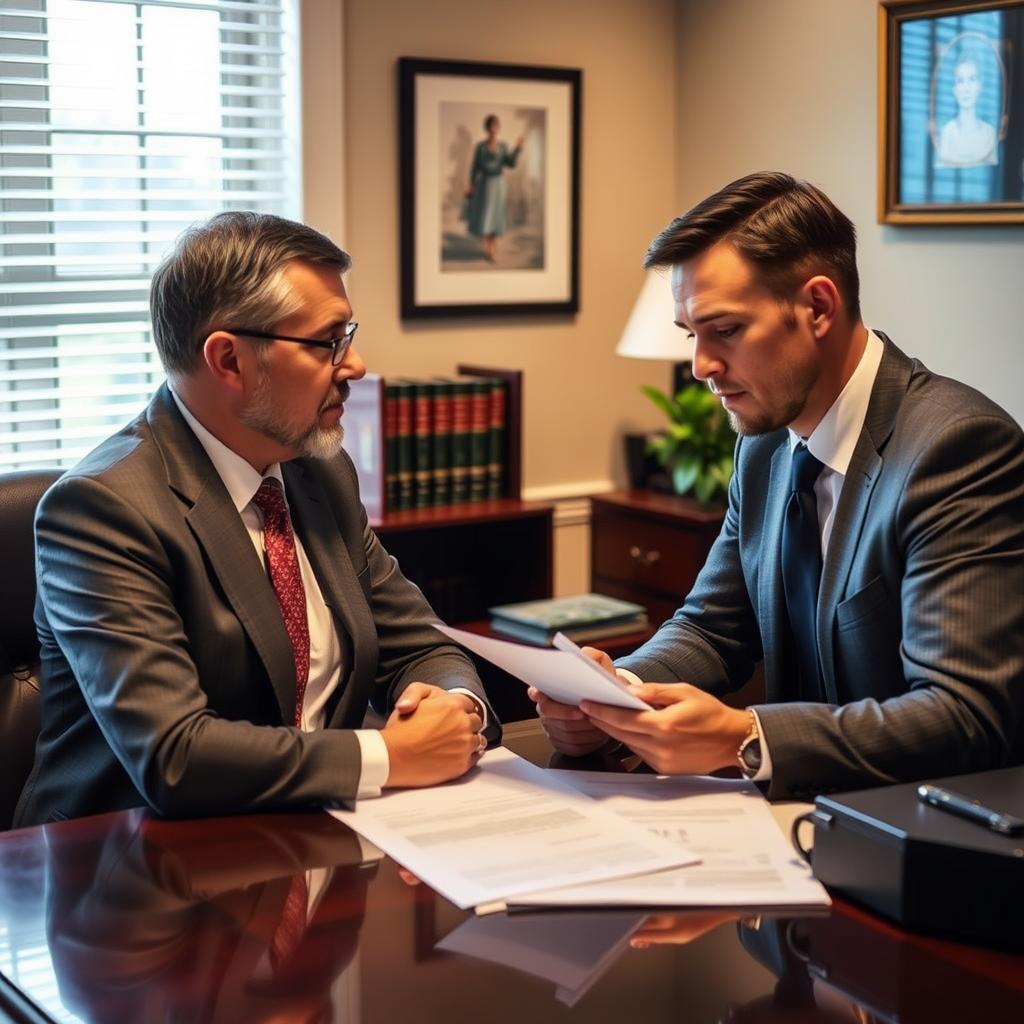
Alimony Lawyer Rappahannock County, VA
For individuals in Rappahannock County navigating a divorce and the question of spousal support, the process can feel uncertain. Alimony, also called spousal support in Virginia, is governed by Va. Code § 20-107.1, which sets out the statutory factors a judge must weigh. The Rappahannock County Circuit Court, located at 250 Gay Street in Washington, Virginia, is the court that hears divorce and alimony matters. Mr. Sris and his Of Counsel at Law Offices Of SRIS, P.C. represent clients pursuing or defending against spousal support claims in this rural 20th Judicial District community. To discuss how your unique circumstances may be handled under the factors, contact the firm’s Fairfax location at (888) 437-7747. Law Offices Of SRIS, P.C. – Advocacy Without Borders.
What Alimony Means in Rappahannock County, Virginia
In Virginia, alimony is a payment from one spouse to the other that may be ordered as part of a divorce decree. Unlike equitable distribution of property, which divides assets, spousal support addresses a financial imbalance after the marriage ends. The Rappahannock County Circuit Court is the court with authority over divorce and alimony, while standalone custody and support matters may go to the Juvenile and Domestic Relations District Court.
Under Virginia law, a judge considers the thirteen factors listed in Va. Code § 20-107.1 when deciding whether to award alimony, how much, and for how long. These include the earning capacities and financial resources of each party, the standard of living during the marriage, the duration of the marriage, contributions to the family’s well‑being, and the grounds for divorce. Fault is one factor among many, and Virginia’s equitable distribution framework runs alongside the spousal support analysis. Because Rappahannock County is a small rural jurisdiction, court schedules and local practice can differ from busier urban dockets. Mr. Sris and his Of Counsel are familiar with how these factors are presented in the 20th Judicial District and work to build a record that addresses the statutory elements for any party seeking or opposing alimony.
The Circuit Court filing fee for a divorce complaint in Rappahannock County is approximately $86.
Source: Rappahannock County Circuit Court fee schedule. Virginia Courts
Reviewed by Mr. Sris, admitted in VA, MD, DC, NJ, NY.
How Mr. Sris and His Of Counsel Handle Alimony Cases
Alimony can be temporary, while a divorce is pending, or permanent, awarded in the final decree. In some situations, a spouse may receive reimbursement alimony to recoup contributions made during the marriage. Mr. Sris and his Of Counsel bring extensive combined legal experience to alimony matters. Results may vary. They begin by evaluating the facts against the thirteen statutory factors—looking at income documentation, tax returns, vocational assessments when needed, and the financial conduct of the parties. If a prenuptial or postnuptial agreement exists, its enforceability is addressed early.
In many cases, the parties negotiate a spousal support provision within a separation agreement. When agreement is not possible, the matter proceeds to a hearing before the Rappahannock County Circuit Court. The judicial process involves discovery, potential pendente lite motions for temporary support, and ultimately a trial. Mr. Sris and his Of Counsel are experienced in handling both negotiated and litigated alimony proceedings, focusing on a thorough presentation of the financial picture and the statutory factors. They also handle post‑divorce modification and enforcement actions when a party’s income changes substantially or when a payor fails to comply with an existing order.
About Mr. Sris and His Of Counsel Team
Mr. Sris, Owner and Founder of Law Offices Of SRIS, P.C., has been practicing since 1997. A former prosecutor, he brings trial experience to family law disputes. He is admitted in Virginia, Maryland, the District of Columbia, New Jersey, and New York. Mr. Sris testified before the Virginia House Courts of Justice Committee in support of 2019 HB 635 (chief patron Del. David Bulova).
Mr. Sris works alongside a team of Of Counsel attorneys who concentrate in various areas, including family law. Each Of Counsel is an experienced practitioner engaged through Excella. Together, they serve clients in Rappahannock County from the firm’s Fairfax location. The team is available by appointment and can be reached at (888) 437-7747.
Frequently Asked Questions
What factors does a Virginia court consider when deciding alimony?
A Virginia court considers the thirteen factors listed in Va. Code § 20‑107.1, including each spouse’s earning capacity, financial resources, standard of living during the marriage, duration of the marriage, contributions to the family, and the basis for the divorce. The judge weighs these factors together; no single factor is determinative. Fault, such as adultery or cruelty, is one factor but not the only one. The court aims to achieve a fair result based on the specific financial picture of the marriage, and the analysis is separate from property division under equitable distribution rules. For guidance on how the factors apply to your situation, reach Law Offices Of SRIS, P.C. at (888) 437‑7747.
Can alimony be modified after a divorce in Virginia?
Yes, alimony may be modified if there has been a material change in circumstances since the last order. A common situation is a substantial change in either spouse’s income—a payor loses a job or a recipient’s financial need increases. Modification proceedings are filed in the same court that issued the original support order, in this case the Rappahannock County Circuit Court. The party seeking the change must show that the new circumstances warrant an adjustment. The court may increase, decrease, or terminate support. It is important to seek a court order rather than unilaterally stop payments, as nonpayment can lead to enforcement and contempt actions. For a consultation about modification, contact Mr. Sris and his Of Counsel at (888) 437‑7747.
How is an alimony order enforced in Rappahannock County?
If a former spouse fails to pay court‑ordered spousal support, the recipient may file a show cause motion in the Rappahannock County Circuit Court to enforce the order. Enforcement mechanisms include wage garnishment, contempt of court—which can result in fines or jail—and income deduction orders. A lawyer can assist in collecting payment records and presenting a case that the failure to pay was willful. The court may also award attorney fees to the prevailing party. Acting promptly when payments stop helps limit arrearages. To discuss enforcement of an existing alimony order, reach Law Offices Of SRIS, P.C. at (888) 437‑7747.
Do I need a lawyer to pursue alimony in Virginia?
While you are not required to have an attorney, alimony involves a detailed statutory analysis and financial discovery that is difficult to manage without legal representation. The thirteen factors are evaluated on the specific facts, and an attorney can build a record that highlights the factors most favorable to your position. In addition, procedural deadlines and court rules apply. Mr. Sris and his Of Counsel are experienced in presenting alimony claims and defenses in the Rappahannock County Circuit Court and can help you understand what evidence is needed. To discuss the details of your matter, contact Law Offices Of SRIS, P.C. at (888) 437‑7747.
What is the difference between temporary and permanent alimony in Virginia?
Temporary alimony, also called pendente lite support, is awarded while a divorce is pending to maintain the status quo; permanent alimony is ordered as part of the final decree and may continue indefinitely or for a defined period. The court may award temporary support for necessities like mortgage payments, utilities, and living expenses during the case. Permanent alimony is based on a full trial or agreement and can be set as a fixed‑term, rehabilitative, or indefinite award depending on the circumstances. The same statutory factors apply, but the analysis is more complete at the final stage. For a consultation about the type of support that may be available in your case, reach Mr. Sris and his Of Counsel at (888) 437‑7747.
For more information about alimony and related family law topics, you may also visit:
Attorney advertising. Prior results do not guarantee a similar outcome.
Case results depend on a variety of factors unique to each case.
Results may vary.