
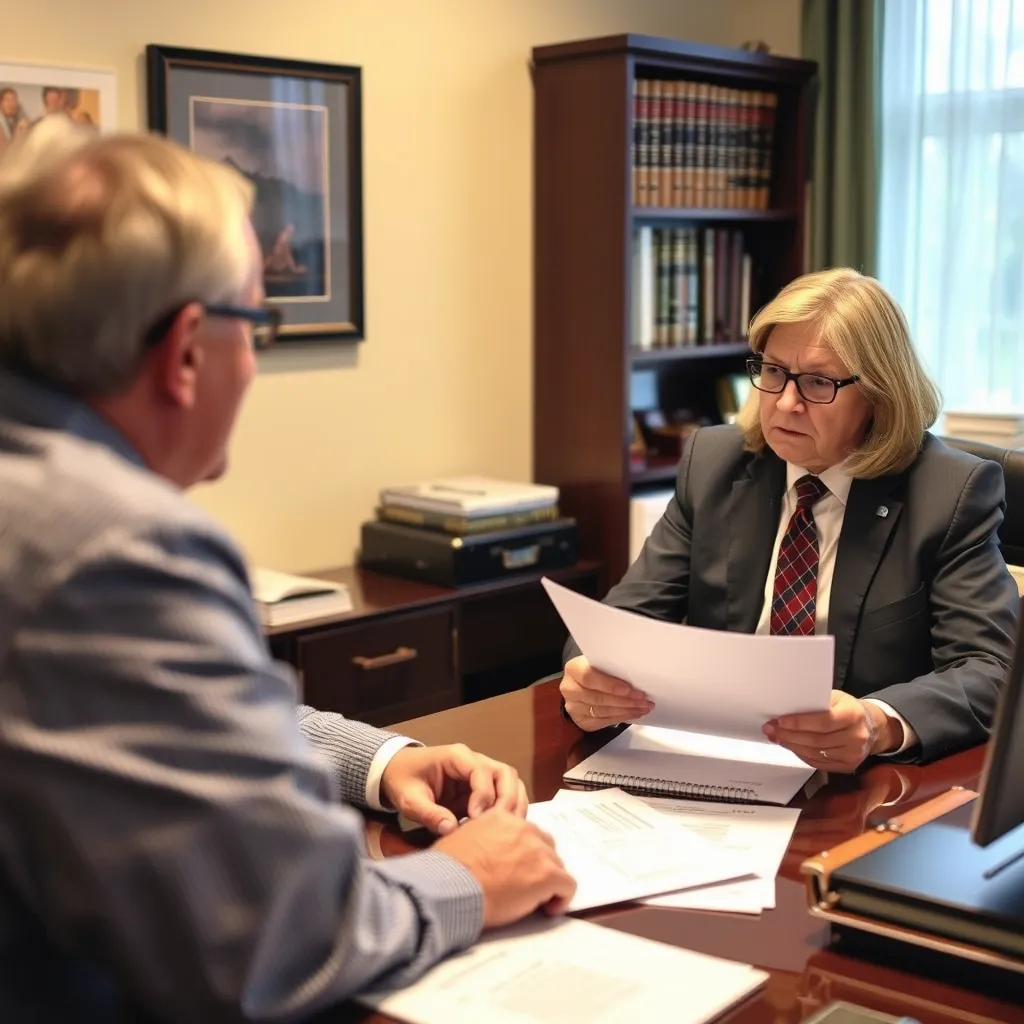
Visitation Lawyer Manassas, VA
Protecting parental rights and establishing clear visitation schedules across Northern Virginia.
Need Immediate Guidance on Visitation Rights in Manassas?
Parenting disputes can be emotionally and legally overwhelming. If you are navigating custody changes, visitation modifications, or enforcement issues in Manassas, Virginia, immediate, knowledgeable counsel is critical. At Law Offices Of SRIS, P.C., we understand the unique emotional weight attached to parental rights. Our team provides active advocacy to ensure your parenting time schedule is fair, legally sound, and enforceable.
Call us today at (888) 437-7747 to speak with an attorney regarding your specific situation. We are dedicated to reaching our location in Manassas by appointment only.
What is a Visitation Lawyer in Manassas, VA?
A visitation lawyer practicing in family law serves as your dedicated advocate when the relationship between parents and children is in dispute. In Virginia, parental rights—including the right to visitation—are governed by complex statutes that prioritize the “best interests of the child.” This means that any legal action regarding parenting time must be viewed through the lens of what arrangement best supports the child’s physical, emotional, and developmental needs.
Our role is not simply to argue for more time; it is to structure a comprehensive, enforceable parenting plan that meets Virginia law standards while respecting the unique dynamics of your family. Whether you are establishing initial visitation rights after separation, modifying an existing schedule due to lifestyle changes, or dealing with non-compliance, our attorneys provide the necessary legal framework and courtroom representation.
If you are facing disputes in Manassas, understanding the difference between physical custody (where the child resides) and legal custody (who makes major decisions) is the first step. We guide you through these distinctions to build a robust case for your rights.
Understanding Custody Types and Visitation Schedules in Virginia
Virginia law recognizes several interconnected concepts that dictate visitation. It is crucial to understand these terms before retaining counsel. The primary distinction revolves around custody types:
- Legal Custody: This refers to the right and responsibility to make major decisions concerning the child’s upbringing, including education, healthcare, and religious training. Both parents typically share legal custody unless a court determines otherwise.
- Physical Custody: This describes where the child primarily resides. The parent designated as having primary physical custody is usually the one who maintains the child day-to-day.
- Visitation/Parenting Time: This is the structured time the non-custodial parent spends with the child, as ordered by the court. These schedules can range from supervised visits to complex alternating week arrangements.
The goal of our practice in Manassas is always to create a parenting plan that maximizes healthy interaction while minimizing conflict. We help structure visitation that is predictable, stable, and compliant with Virginia Code § 23-186.
Modifying Visitation Schedules
Life changes—a move to a new job, a change in school, or a shift in the child’s emotional needs—often necessitate modifying an existing visitation schedule. Virginia law allows for modification when there is a “material and substantial change in circumstances.” This is not an easy process; it requires clear evidence and persuasive legal argument.
Many parents mistakenly believe that simply asking the court for more time is enough. In reality, you must demonstrate why the current schedule no longer serves the child’s best interest. Our attorneys are skilled at gathering the necessary documentation—school records, therapist notes, employment details—to build a compelling case for modification before the appropriate Virginia court.
Enforcing Visitation Rights
Sometimes, despite a court order, visitation rights are violated. This is known as non-compliance or parental alienation. When enforcement is necessary, the legal process becomes highly adversarial. A skilled visitation lawyer in Manassas must be prepared to file motions for contempt, seek wage garnishment, and petition the court for immediate remedies.
We treat enforcement with the utmost seriousness. We understand that a missed visit isn’t just a scheduling error; it impacts the child’s sense of security and stability. Our firm uses all available legal tools to ensure that court orders are respected by all parties involved.
Serving Northern Virginia Families
Our commitment to family law extends across multiple jurisdictions. If you are located near Manassas, we provide comprehensive representation. For those in nearby areas, our experienced attorneys can assist with your case:
What to Expect in a Manassas Custody Dispute
Navigating a custody dispute can feel like navigating a minefield. We break down the process into manageable, actionable steps so you know what to expect from consultation through final judgment.
The Initial Consultation
During your first meeting with us at our Manassas location, we will listen first. You will have the opportunity to detail your entire history, the current custody arrangement, and your goals for the future. We will then review all relevant documentation—birth certificates, existing court orders, communication logs—to assess the strength of your case. This initial assessment allows us to advise you on the most strategic path forward, whether that is mediation or immediate litigation.
Mediation and Negotiation
The vast majority of family law cases are most effectively resolved outside of a courtroom. We strongly recommend mediation. Our attorneys are experienced negotiators who can guide you through settlement discussions, helping you reach an agreement that is both legally sound and emotionally sustainable for your family. Mediation allows you to maintain control over the outcome while still having the backing of experienced counsel.
Litigation and Trial
If mediation fails or if one party refuses to cooperate, we are prepared for litigation. This involves filing motions with the appropriate Virginia court, engaging in discovery (exchanging evidence), and ultimately presenting your case before a judge or jury. Our experience in courtroom advocacy ensures that your rights are presented with maximum impact and professionalism.
Related Family Law Topics
Understanding the broader context of family law can strengthen your position. We offer detailed guidance on:
How Mr. Sris and the Firm’s Of Counsel Attorneys Handle Visitation Law Cases in Manassas
When parents in Manassas face disputes over visitation, the emotional stakes are incredibly high. Our approach is holistic, recognizing that legal battles impact children profoundly. We begin by establishing a detailed timeline of events and gathering all necessary evidence—from school reports to communication logs—to build an unassailable record. Our goal is always to move beyond mere conflict and establish a clear, child-centered parenting plan that the court will adopt.
The process involves intensive preparation for negotiation or trial. We work diligently to understand Virginia’s specific statutes regarding parental rights, ensuring that every motion filed and every argument presented is grounded in current law. Our team doesn’t just react to disputes; we proactively build a case for stability and consistency, which are the cornerstones of any successful visitation arrangement. This comprehensive preparation is what allows us to advocate effectively for our clients seeking their best interests.
About Mr. Sris and the Firm’s Of Counsel Attorneys
Law Offices Of SRIS, P.C. has built its reputation on decades of dedicated family law advocacy. Mr. Sris, Owner and Founder, brings a wealth of experience to every case. As a former prosecutor, he possesses a unique understanding of criminal procedure and courtroom dynamics that is invaluable when custody disputes escalate into contentious litigation. His commitment to justice, coupled with his thorough knowledge of Virginia’s legal landscape, ensures that clients receive the most active and thoughtful representation available.
The firm’s Of Counsel attorneys are highly respected practitioners who collaborate closely with our core team. They bring specialized experience across various facets of family law, allowing us to provide a truly comprehensive defense. We maintain a unified front for our clients, ensuring that whether the issue is custody modification or visitation enforcement, the client receives seamless, experienced attorney counsel from the entire network of experienced attorneys at our Manassas location.
Frequently Asked Questions About Visitation Law in Manassas
What is the primary factor Virginia courts consider when setting visitation?
The paramount consideration in all Virginia custody and visitation matters is always the “best interests of the child.” This means that while parental input is considered, the court’s final decision must be demonstrably focused on the child’s overall physical, emotional, and developmental welfare above all other factors.
Can I change my visitation schedule without going to court?
Generally, no. While parents can communicate and agree on changes, if the current schedule is formalized by a court order, any significant modification requires filing a motion with the court and proving a “material and substantial change in circumstances” before a judge.
What happens if the other parent refuses to follow the court order?
If visitation is being violated, you must document every instance of non-compliance. We can then file motions for contempt of court. The court can impose penalties, including fines or even supervised visitation, to enforce adherence to the existing parenting plan.
Does having a lawyer guarantee I will get more time with my child?
No legal representation guarantees a specific outcome. However, retaining an experienced visitation lawyer in Manassas significantly increases your chances by ensuring that your case is presented legally soundly, persuasively, and according to the best practices of Virginia family law.
How long does it take to modify a visitation schedule?
The timeline is highly variable. Simple modifications might be resolved through mediation within weeks, but litigation can take many months or even years, depending on the court’s docket, the complexity of evidence, and the cooperation level of the opposing party.
What is the difference between custody and visitation?
Custody refers to the legal right to make decisions (legal custody) or where the child lives (physical custody). Visitation, or parenting time, is the structured schedule that dictates when the non-custodial parent spends time with the child, as ordered by the court.
Are visitation disputes always handled in court?
Not always. Many disputes are resolved through private mediation or collaborative law approaches, which are often faster, less expensive, and less emotionally damaging than full litigation. We guide clients toward the most appropriate resolution method.
Do I need to prove emotional distress to modify visitation?
While emotional impact is a factor, you must generally prove a “material and substantial change in circumstances.” This requires objective evidence—such as documented changes in the child’s behavior or the parent’s ability to care for the child—rather than just emotional distress alone.
What if I move out of Manassas, VA?
Moving can trigger a need to modify the parenting plan. If you relocate, you must notify the court and provide documentation supporting your new residence. The court will then evaluate how that move impacts the child’s best interests in the new jurisdiction.
Can I get temporary visitation while my case is pending?
Yes. If there is an immediate need for a parenting schedule while the main case is pending, we can file for a Temporary Orders hearing. This allows the court to issue interim guidelines to maintain stability until the final judgment.
Disclaimer: The information provided on this website is for informational purposes only and does not constitute legal advice. Family law is highly dependent on specific facts, local court rules, and current statutes. You must consult with a qualified attorney licensed in the relevant jurisdiction (Virginia, Maryland, D.C., NJ, NY) to discuss your particular situation. By using this website, you acknowledge that Law Offices Of SRIS, P.C. has not established an attorney-client relationship with you.
Case results depend on a variety of factors unique to each case.
Attorney advertising. Prior results do not guarantee a similar outcome.