
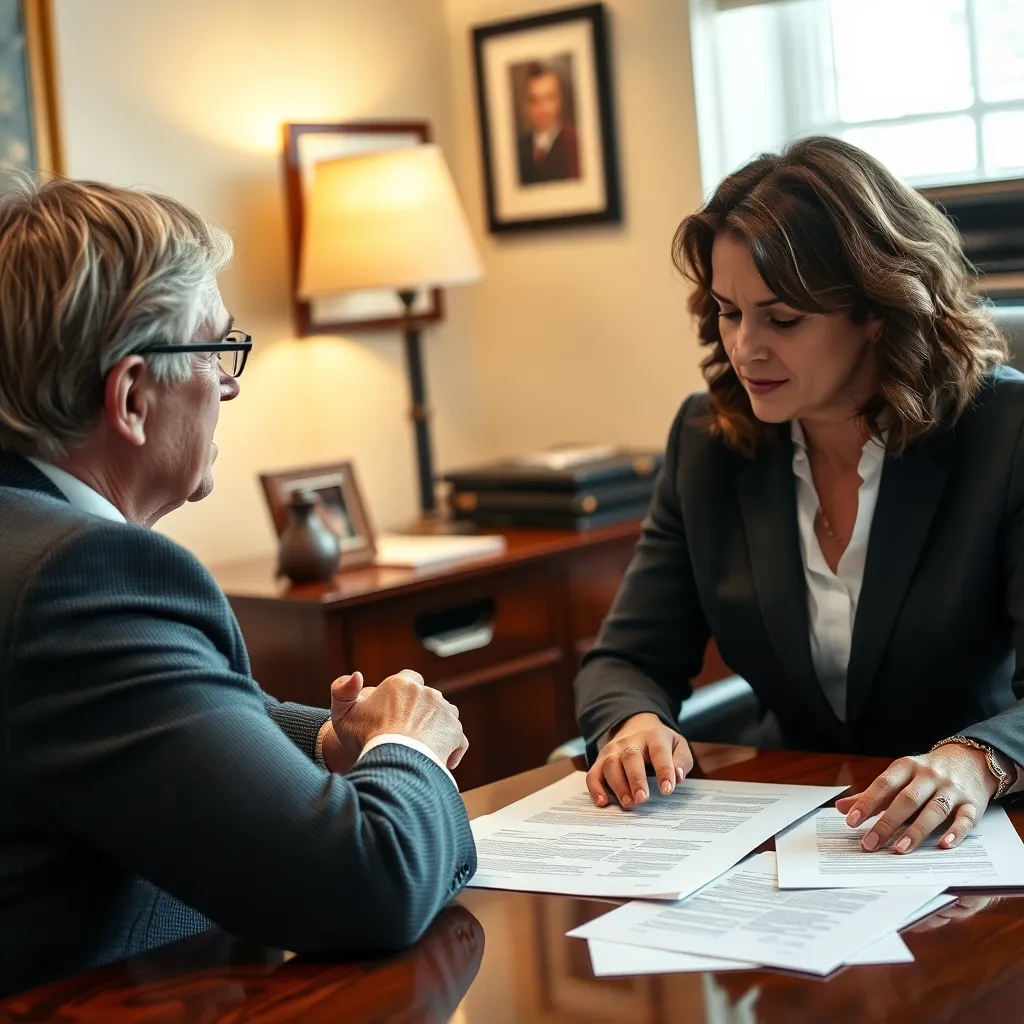
Kinship Guardianship Lawyer in Alexandria, VA
Navigating the complexities of family law while ensuring the best interests of vulnerable family members is one of the most challenging tasks an attorney can undertake. When a parent or guardian is unable to provide adequate care, or when complex family dynamics require legal oversight, Kinship Guardianship becomes a critical tool. At Law Offices Of SRIS, P.C., we understand that this process is rarely straightforward; it involves deep emotional ties, significant legal hurdles, and the paramount concern of protecting a minor or incapacitated adult. Our practice focuses on providing knowledgeable representation for those seeking to establish or defend a kinship guardianship in Alexandria, VA, ensuring that the legal structure supports the family unit while upholding Virginia’s commitment to the ward’s best interests.
What is Kinship Guardianship in Virginia?
Kinship Guardianship refers to a legal arrangement where a relative—such as a grandparent, aunt, uncle, or sibling—is appointed by the court to care for a minor child or an incapacitated adult who cannot care for themselves. Unlike standard custody arrangements, which focus on parental rights, guardianship addresses the physical and financial care of the ward. The core principle is that the court determines who can provide the most stable, loving, and appropriate environment for the ward’s well-being when the biological parents are deemed unfit, deceased, or otherwise unable to provide adequate supervision.
In Virginia, the process is highly regulated by the courts to prevent abuse and ensure accountability. The court must be convinced that the appointed relative (the guardian) has the capacity, resources, and commitment to fulfill the role. This is not simply a matter of family consensus; it requires formal petitioning, evidentiary hearings, and judicial oversight. Our experience in this area allows us to guide families through these stringent requirements, whether you are petitioning for guardianship or defending against an improper claim.
When is Guardianship Necessary?
The need for a guardian can arise from several difficult life circumstances. Understanding the trigger points is crucial for preparing your case. Common scenarios include:
- Parental Incapacity: If a parent suffers from severe illness, addiction, or mental health issues that prevent them from making sound decisions for their child.
- Abandonment or Neglect: When parents are unable to provide basic necessities of life or supervision.
- Death of Parents: When both biological parents pass away without establishing a clear legal plan (such as a trust or will naming guardians).
- Disputes Among Relatives: Sometimes, guardianship is sought when multiple family members disagree on the trusted course of action for the ward, requiring a neutral legal arbiter.
The law prioritizes the “best interests of the child” above all else. Our team has extensive experience navigating these emotionally charged situations, providing counsel that is both legally rigorous and deeply empathetic to the family’s unique needs. If you are facing questions about parental fitness or the trusted path forward for a minor in Alexandria, VA, we urge you to speak with an attorney immediately.
The Process of Obtaining Guardianship in Virginia
Obtaining a guardianship is a multi-stage legal process. While every case is unique, the general steps involve:
- Filing the Petition: The initial step involves filing a formal petition with the appropriate local court in Virginia. This document outlines why guardianship is necessary and who the proposed guardian is.
- Investigation and Evidence Gathering: The court will require extensive documentation, including medical records, financial statements, and testimony from social workers or attorneys.
- The Hearing: A formal hearing takes place where all parties present their evidence. Our attorneys are skilled at presenting evidence that strongly supports the proposed guardian’s fitness while effectively challenging any claims of parental fitness that may be misleading or incomplete.
- Court Order: If the court is satisfied that the guardianship is in the ward’s best interest, it issues a formal order establishing the guardian’s rights and responsibilities.
The complexity of this process—from filing deadlines to evidentiary standards—demands specialized legal attention. For detailed guidance on the procedural steps, or if you need assistance with related matters like drafting a durable power of attorney, please review our estate planning law services.
Disputes and Challenges in Guardianship Cases
Guardianship disputes are inherently conflict-ridden. A challenge can come from biological parents who disagree with the appointed guardian, or from other relatives who believe a different family member should be appointed. These challenges require not only legal knowledge but also strategic negotiation.
When a guardianship is challenged, our firm acts as your dedicated advocate. We anticipate opposing counsel’s arguments, prepare counter-evidence, and present a cohesive narrative to the judge. We are prepared to handle complex jurisdictional issues, ensuring that every aspect of your case—from financial oversight to educational planning—is legally sound and protective of the ward.
How Mr. Sris and the Firm’s Of Counsel Attorneys Handle Kinship Guardianship Cases in Alexandria
The process of establishing or defending a kinship guardianship requires more than just knowledge of Virginia statutes; it demands a nuanced understanding of family dynamics, emotional intelligence, and meticulous legal strategy. When clients approach Law Offices Of SRIS, P.C., they are often dealing with highly charged situations where the law must intersect with deep personal relationships. Our approach is built on comprehensive preparation. We begin by conducting an exhaustive review of the entire family history, financial standing, and medical records to build a factual foundation that withstands judicial scrutiny. This initial phase allows us to identify potential weaknesses in the case—whether those weaknesses lie in the evidence supporting parental fitness or in the documentation proving the proposed guardian’s capacity.
Furthermore, our strategy involves proactive communication with the court system and relevant social service agencies. We do not wait for the opposition to make a move; we guide the process from the outset. Our team works collaboratively with the firm’s Of Counsel attorneys, who bring specialized experience in various facets of family law, ensuring that every angle—from financial guardianship to medical decision-making—is covered. This comprehensive, multi-faceted approach is what allows us to effectively navigate the complexities of kinship guardianship cases in Alexandria, VA, and secure the most stable, legally sound outcome for the ward.
About Mr. Sris and the Firm’s Of Counsel Attorneys
Mr. Sris, Owner and Founder of Law Offices Of SRIS, P.C., brings decades of dedicated experience to family law matters. As a former prosecutor, he possesses a unique perspective on litigation, understanding how legal arguments are constructed, challenged, and ultimately resolved in court. His commitment to justice is matched by his dedication to protecting the best interests of vulnerable individuals. Mr. Sris has been admitted to practice law in Virginia, Maryland, the District of Columbia, New Jersey, and New York, giving him a five-jurisdiction practice that allows us to advise clients on multi-state legal complications.
The firm’s Of Counsel attorneys are highly respected independent practitioners who augment our capabilities across various legal fields. They provide specialized insight, allowing the firm to offer a depth of counsel that few general practices can match. Whether the matter involves complex estate planning, interstate custody disputes, or the sensitive establishment of guardianship, the collective experience of Mr. Sris and the firm’s Of Counsel attorneys ensures that our clients receive the highest level of dedicated representation available. We are committed to providing clear, authoritative guidance throughout your entire legal journey.
Comprehensive Kinship Guardianship Lawyer Services in Alexandria
Our services cover the full spectrum of guardianship needs in the Northern Virginia area. We assist with:
- Petitioning for Guardianship: Initiating the legal process when a minor or adult requires protection.
- Defending Against Guardianship Claims: Representing parents or relatives who are wrongly accused of incapacity or neglect.
- Guardianship Modification: Adjusting existing guardianship orders as the ward’s needs or family circumstances change over time.
- Trust and Estate Planning: Proactively establishing legal safeguards (like trusts) to prevent the need for reactive, court-mandated guardianship later.
Related Family Law Topics We Handle
Kinship guardianship often intersects with other critical areas of family law. To ensure your family’s future is protected, we recommend reviewing our experience in:
- Durable Power of Attorney and Healthcare Directives: Establishing financial and medical decision-making authority while you are competent.
- Comprehensive Estate Planning: Creating wills, trusts, and appointing guardians before a crisis occurs.
- Child Custody Disputes: Addressing parental rights and physical custody arrangements.
Frequently Asked Questions About Guardianship
What is the difference between guardianship and custody?
While related, they serve different purposes. Custody generally determines who has physical care and decision-making rights regarding a child’s upbringing. Guardianship, however, is a broader court appointment that can grant authority over the ward’s finances, medical care, and personal well-being, regardless of who holds custody.
Can I become a guardian without going through court?
Generally, no. Because guardianship involves the state’s interest in protecting vulnerable individuals, the court must formally establish the role. While preliminary agreements can be made between family members, the legal authority must come via a court order to be enforceable.
What happens if the appointed guardian mismanages the ward’s funds?
The court has mechanisms to address mismanagement. If financial impropriety is suspected, concerned parties can petition the court for an accounting or even request that the guardianship be revoked and replaced with a more supervised arrangement.
Are there different types of guardianships in Virginia?
Yes, the law recognizes several types depending on the ward’s needs. These include guardians for minors, guardians for incapacitated adults, and sometimes specialized conservatorships, each requiring specific legal documentation and court approval.
How long does the guardianship process take?
The timeline is highly variable and depends on the complexity of the case, the cooperation of all parties, and the court’s docket. Simple cases may move quickly, but contentious disputes can take many months or even years to resolve completely.
Does having a Power of Attorney replace the need for guardianship?
A Power of Attorney (POA) is a proactive tool used when an individual is still competent to sign documents. It grants authority while alive. Guardianship is a court intervention used when the person is deemed incapacitated and cannot legally consent to the arrangement.
Can I challenge a guardianship order?
Yes, if you have evidence that the guardian is mismanaging funds, or if the ward’s needs have changed significantly since the order was issued, you can petition the court to modify or revoke the existing guardianship order.
What documentation should I prepare for a guardianship hearing?
You should gather all relevant medical records, financial statements, tax returns, and any documentation that proves the current living situation and the proposed guardian’s stability. Organization and completeness are key to a successful presentation.
Is kinship guardianship always preferred by the court?
The court strongly favors keeping care within the family unit (kinship) when it is deemed safe and appropriate. However, if the court finds that the family environment itself is unstable or unsafe, it may appoint an external agency or professional guardian instead.
What are the financial responsibilities of a guardian?
A guardian is responsible for the ward’s day-to-day living expenses, medical bills, and sometimes educational costs. They must maintain detailed records of all income and expenditures and account for them to the court periodically.
Need Guidance on Kinship Guardianship in Alexandria, VA?
The law surrounding guardianship is complex and deeply personal. Do not attempt to navigate this process without professional legal counsel. Our team at Law Offices Of SRIS, P.C., has the experience necessary to guide you through every step, protecting your family’s best interests from day one.
Call (888) 437-7747 today to schedule a confidential consultation with our experienced Alexandria, VA attorney.
The information provided on this page is for informational purposes only and does not constitute legal advice. Every family situation is unique, and the law is subject to change. You must consult with a qualified attorney licensed in Virginia regarding your specific legal questions or concerns.
Case results depend on a variety of factors unique to each case.
Attorney advertising. Prior results do not guarantee a similar outcome.