
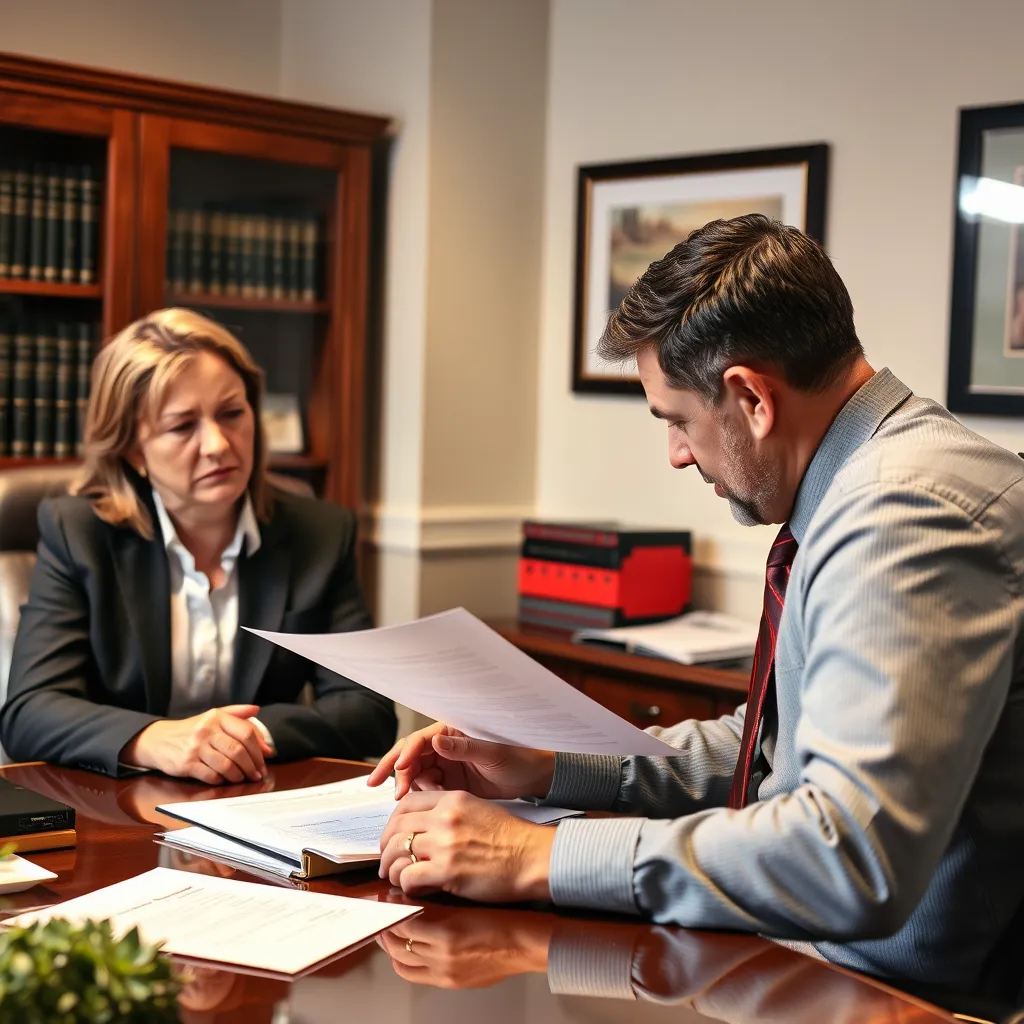
Adultery Divorce Lawyer Manassas, VA
Reviewed by Mr. Sris, Owner and Founder. Admitted in Virginia, Maryland, the District of Columbia, New Jersey, and New York. Practicing since 1997. Law Offices Of SRIS, P.C. – Advocacy Without Borders.
Discovering your spouse has been unfaithful can be devastating. When you choose to end the marriage, Virginia law allows you to file for divorce on the ground of adultery, which can be pursued immediately without a separation period. If you are in Manassas, Prince William County, or the surrounding area, the stakes are high—property division, spousal support, and child custody may all be affected. At Law Offices Of SRIS, P.C., we help clients navigate these emotionally charged cases with clear, practical legal guidance.
Options When Adultery Is Involved in Your Divorce
Virginia Code § 20-91(1) lists adultery as a fault ground for divorce. This means you do not have to wait through a lengthy separation. You can file a complaint in the Manassas Circuit Court and ask the court to grant a divorce based on the adultery. Alternatively, you may decide to use the threat of a fault-based action to negotiate a more favorable separation agreement. Mr. Sris and the firm’s Of Counsel attorneys can help you weigh the options. Factors such as the evidence available, the impact on your children, and your financial goals will shape an appropriate approach. Because adultery can bar the unfaithful spouse from receiving spousal support and influence property division, your strategy must be tailored to your specific situation. We work to protect your interests while minimizing unnecessary conflict.
What to Expect When Filing for an Adultery Divorce in Manassas
The divorce process begins with filing a complaint in the Circuit Court of Manassas (or Prince William County, depending on the filing). The court will schedule a hearing, but the timeline varies depending on the court’s calendar and whether the case is contested. If the spouse denies the adultery, you may need to present evidence such as witness testimony, communications, or investigator reports. Discovery may include depositions and document requests. If the case cannot be settled, a judge will decide whether the adultery has been proven and how it affects property division, support, and custody, applying the factors in Virginia Code § 20-107.3 (equitable distribution) and § 20-107.1 (spousal support). Our attorneys prepare thoroughly for each stage, from initial filing through any trial.
How Adultery Can Affect Property Division and Support in Virginia
Under Virginia law, marital misconduct, including adultery, is one of several factors the court may consider when distributing marital property and awarding spousal support. Specifically, adultery can bar a spouse from receiving spousal support if the court finds that the adultery was the cause of the breakdown of the marriage. Additionally, the court may consider the adultery when deciding how to divide marital assets, though it is not the sole factor—the court must weigh all statutory factors, including contributions to the marriage and the duration of the marriage. In custody determinations, adultery alone does not automatically affect parenting rights, but if the misconduct has a direct impact on the child’s well-being, the court may take it into account under the trusted-interests standard. Because these issues are fact-sensitive, having an experienced attorney to present your case is critical.
About Mr. Sris and the Firm’s Of Counsel Attorneys
Law Offices Of SRIS, P.C. was founded in 1997 by Mr. Sris, a former prosecutor who practices in family law and other areas. Mr. Sris and the firm’s Of Counsel attorneys bring extensive combined legal experience. Results may vary. The firm has documented over 4,739 case results across all practice areas. We appear regularly in Manassas General District Court and the Circuit Court, and our attorneys are admitted in Virginia, Maryland, the District of Columbia, New Jersey, and New York. We understand the local court procedures and the judges who preside over family matters in the Thirty-first Judicial District. When you work with our firm, you receive individual case review and a strategy focused on your objectives.
Frequently Asked Questions About Adultery Divorce in Manassas
What is an adultery divorce in Virginia?
An adultery divorce is a fault-based divorce under Va. Code § 20-91(1). If you can prove your spouse committed adultery, you may file immediately without waiting for a separation period. The court will consider the adultery when deciding property division, spousal support, and, in some cases, custody. This option can be pursued in the Manassas Circuit Court.
How does adultery affect property division in a Manassas divorce?
Adultery is one factor the court may consider under Virginia’s equitable distribution statute. Virginia is an equitable distribution state, meaning marital property is divided fairly but not necessarily equally. If your spouse’s misconduct wasted marital assets or breached the marital partnership, the court could award you a larger share. However, the outcome depends on the specific facts of your case.
Do I have to prove adultery in court?
Yes, to obtain a divorce on the ground of adultery, you must present evidence sufficient to satisfy the judge. This can include witness testimony, admissions, hotel records, text messages, or photos. A private investigator may be used to gather proof. Your attorney can help you determine what evidence is needed and how to present it effectively.
Can adultery impact child custody in Virginia?
Adultery alone does not automatically change custody. The court decides custody based on the best interests of the child, considering factors like each parent’s relationship with the child and ability to provide care. Only if the adultery has a direct harmful effect on the child—for example, exposing the child to an unsafe environment—will it likely affect custody. Our attorneys can advise on how the court may view your situation.
How much will an adultery divorce cost in Manassas?
Costs vary depending on whether the case is contested. The circuit court filing fee for a divorce complaint varies, with additional expenses for service, possible investigation, and attorney fees. If the case goes to trial, costs increase. Contact our firm at (888) 437-7747 to discuss your individual circumstances and review potential costs.
Why hire an attorney for an adultery divorce in Manassas?
An adultery divorce can be emotionally and legally complex. An experienced attorney can protect your rights, gather the necessary evidence, and present a compelling case to the court. At Law Offices Of SRIS, P.C., we have the local knowledge and experience to guide you through every step and strive for favorable outcomes. Call (888) 437-7747 to schedule a consultation.
Speak with an Adultery Divorce Lawyer in Manassas Today
If you are facing an adultery divorce, you do not have to go through it alone. At Law Offices Of SRIS, P.C., we are committed to providing straightforward advice and strong representation. Our Fairfax Location is conveniently situated to serve clients in Manassas and throughout Prince William County. By appointment only; please call us at (888) 437-7747 to set up your consultation.
For a full statutory breakdown, see our comprehensive analysis at Law Offices Of SRIS, P.C.
Fairfax Location — 4008 Williamsburg Court, Fairfax, VA 22032. By appointment only. (888) 437-7747.
Attorney advertising. Prior results do not guarantee a similar outcome. Case results depend on a variety of factors unique to each case. Results may vary.