
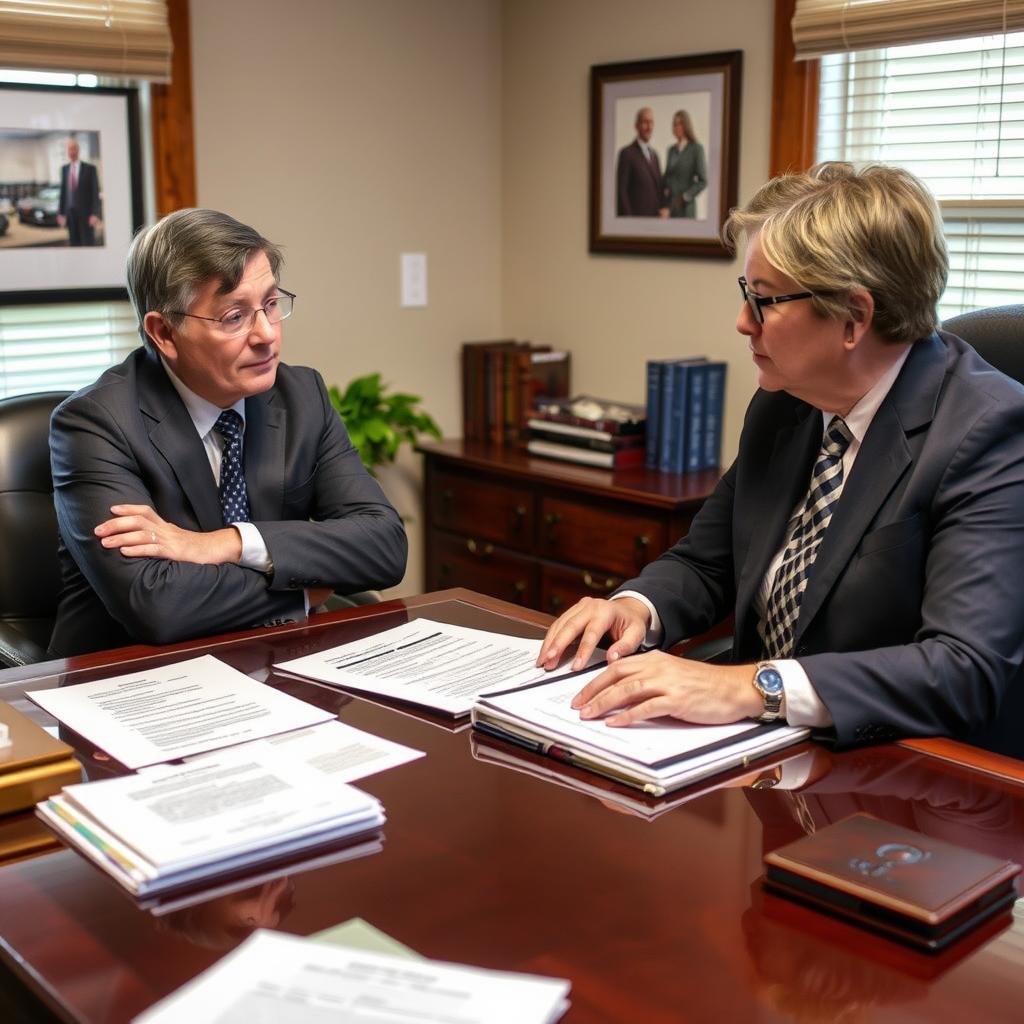
Kinship Adoption Lawyer Rappahannock County, VA
You’ve had your niece’s daughter living with you in Sperryville for more than a year — she calls you Mom, and you’re ready to make that bond legal. Or maybe your grandson’s father is gone and you’re the only stable parent he knows. In Rappahannock County, kinship adoption lets families in Washington, Flint Hill, and the surrounding countryside turn those everyday relationships into permanent legal parent-child ties. At Law Offices Of SRIS, P.C., Mr. Sris and the firm’s Of Counsel attorneys represent grandparents, aunts, uncles, and other relatives through the adoption process from start to final decree. Reach us at (888) 437-7747 to discuss your family’s situation. Law Offices Of SRIS, P.C. – Advocacy Without Borders.
What Kinship Adoption Means in Rappahannock County
Kinship adoption is the legal process through which a relative — a grandparent, aunt, uncle, adult sibling, or other blood or marriage relative — adopts a child. It permanently severs the legal rights of the child’s biological parents (when appropriate) and establishes the adopting relative as the child’s legal parent. In Virginia, kinship adoption matters are heard in the Juvenile and Domestic Relations District Court and, when the adoption is finalized, in the Circuit Court. Rappahannock County’s courts follow the same Virginia statutory framework — primarily Va. Code § 63.2-1200 et seq. — but families navigating the system on their own often encounter procedural steps that can feel overwhelming without a knowledgeable guide.
Because Rappahannock County is a small, close-knit rural community, local judges and court personnel often take a careful, thorough approach to ensure that every adoption truly serves the child’s best interests. Mr. Sris and the firm’s Of Counsel attorneys appear regularly in the Rappahannock County Juvenile and Domestic Relations District Court and the Rappahannock County Circuit Court (located at 250 Gay Street, Suite 1, Washington, VA). They understand how the court evaluates home studies, consent requirements, and parental fitness — and they work directly with families to prepare the case so that the focus stays on what matters most: the child’s stability and the family’s future.
How Mr. Sris and the Firm’s Of Counsel Attorneys Handle Kinship Adoption Cases
Adoption cases follow a series of steps, and each one matters. Mr. Sris and the firm’s Of Counsel attorneys start by sitting down with you to understand the family dynamics, the child’s circumstances, and whether the biological parents are willing to consent or will need to have their rights terminated. From there, they prepare and file the petition in the appropriate Rappahannock County court, coordinate the required background checks and home study (if the court orders one), and communicate with any involved social workers or guardians ad litem. Because many kinship adoptions involve relatives who have already been acting as primary caregivers, the firm’s attorneys work to present that history clearly to the court so that the judge sees the established bond.
Once the petition is filed and the necessary consents or termination orders are obtained, the case moves toward a finalization hearing. In Rappahannock County, adoption hearings are generally scheduled on the court’s calendar; the timing depends on the court’s docket and whether any contested issues arise. Mr. Sris and the firm’s Of Counsel attorneys prepare the family for the hearing, explain what to expect, and appear in court to present the case. After the judge signs the final order of adoption, the child receives a new birth certificate reflecting the adoptive parent’s name — the legal relationship is complete.
About Mr. Sris and the Firm’s Of Counsel Attorneys
Mr. Sris, Owner and Founder of Law Offices Of SRIS, P.C., has practiced family law in Virginia since 1997. A former prosecutor, he brings over two decades of courtroom experience to every case, including adoption, custody, and divorce matters. Mr. Sris testified before the Virginia House Courts of Justice Committee in support of 2019 HB 635 (chief patron Del. David Bulova). He is admitted to practice in Virginia, Maryland, the District of Columbia, New Jersey, and New York.
The firm’s Of Counsel attorneys contribute additional depth in juvenile law, CPS proceedings, and family litigation. Together, Mr. Sris and the firm’s Of Counsel attorneys bring extensive combined legal experience to each kinship adoption case. Their approach is thorough, patient, and focused on protecting the child’s welfare while helping families complete the adoption as efficiently as possible.
Frequently Asked Questions
What is kinship adoption in Virginia?
Kinship adoption is a legal process through which a biological relative becomes the legal parent of a child, permanently replacing the child’s original parents’ rights and responsibilities. The adopting relative must be related to the child by blood or marriage — commonly a grandparent, aunt, uncle, or adult sibling. In Virginia, kinship adoptions are governed by Va. Code § 63.2-1200 et seq., and they differ from step‑parent adoptions or foster‑care adoptions because the child is already living with or has a close relationship with the relative. The court’s primary concern is the best interests of the child, and a kinship adoption can stabilize a family that has already been functioning as a family unit.
Who can file for kinship adoption in Rappahannock County?
Any adult relative by blood or marriage — including grandparents, aunts, uncles, adult siblings, and first cousins — can file a petition for kinship adoption in Rappahannock County. The relative must have the consent of the child’s living biological parents or obtain a court order terminating their parental rights if they cannot or will not consent. Residency requirements apply: either the petitioner or the child must have lived in Virginia for at least six months. If you have been caring for the child informally, you may already meet the criteria. Mr. Sris and the firm’s Of Counsel attorneys review your specific family situation at the first consultation.
Do I need a lawyer for a kinship adoption?
While Virginia law does not require you to have a lawyer for a kinship adoption, the process involves legal documents, mandatory notices, and court hearings that can be difficult to manage without professional guidance. The court must follow strict procedures to protect the child’s rights, and mistakes in paperwork or service of process can delay the adoption or cause it to be denied. An experienced attorney can ensure that consent forms are properly signed, that the home study (if required) is coordinated, and that any contested termination of parental rights is handled correctly. For many families, the peace of mind of having counsel is worth the investment.
How long does a kinship adoption take in Rappahannock County?
The timeline for a kinship adoption varies depending on whether the biological parents consent, whether a home study is ordered, and the court’s calendar. If all parties agree and no contested issues arise, the adoption can be finalized within several months of filing the petition. If parental rights must be terminated through a court hearing, the case will take longer. Mr. Sris and the firm’s Of Counsel attorneys work to move the case forward efficiently while making sure no step is skipped. Once the final order is entered, the legal parent‑child relationship is established immediately.
What does a home study involve for a kinship adoption?
In some kinship adoption cases, the court may order a home study to verify that the relative’s household is suitable for the child. The home study is conducted by a licensed child‑placing agency or a social worker and typically includes a home visit, interviews with the prospective adoptive parent and other household members, background checks, and a review of financial stability. Because the relative often already has a long‑standing relationship with the child, the home study in a kinship adoption is frequently less intensive than in a stranger adoption. The firm’s attorneys help families understand what the social worker will look for and how to prepare.
Can a parent’s rights be terminated involuntarily in a kinship adoption?
Yes, a biological parent’s rights can be terminated without their consent if the court finds that certain statutory grounds exist, such as abandonment, abuse, neglect, or a long‑term inability to care for the child. In a contested kinship adoption, the petitioning relative must present evidence to support the termination. The biological parent has a right to notice and a hearing, and the court applies a high standard because parental rights are constitutionally protected. Mr. Sris and the firm’s Of Counsel attorneys can explain whether the facts in your case meet the legal threshold for involuntary termination.
How is kinship adoption different from legal guardianship?
Kinship adoption makes the relative the child’s legal parent permanently, while guardianship gives the relative temporary decision‑making authority without terminating the biological parents’ rights. Adoption ends the legal relationship between the child and the biological parents, changes the child’s birth certificate, and grants the adoptive parent all rights and responsibilities of a parent — including inheritance rights. Guardianship, by contrast, leaves the parental relationship intact and can be modified or ended by the court if circumstances change. For families seeking permanency and the full legal status of a parent, adoption is usually the preferred route.
What are the costs associated with kinship adoption?
Kinship adoption costs include court filing fees, possible home‑study fees, attorney fees, and, if the adoption is contested, litigation costs. The filing fee for an adoption petition in the Rappahannock County Circuit Court is set by the court; additional costs may arise if service by publication is needed or if a guardian ad litem is appointed. Attorney fees depend on the complexity of the case. Law Offices Of SRIS, P.C. provides a clear explanation of anticipated costs during the initial consultation so families can plan ahead.
Do both biological parents need to consent to the adoption?
If both biological parents are living and their rights have not been terminated, both must generally consent to the adoption unless a court finds that their consent is not required. Virginia law lists several situations in which consent can be dispensed with — for example, when a parent has abandoned the child, failed to maintain contact or provide support for a specified period, or cannot be located after a diligent search. If one parent consents and the other cannot be found, the petitioner must demonstrate to the court that a reasonable effort to locate that parent was made. The firm’s attorneys assist with the required notice and, if necessary, file a motion to dispense with consent.
What happens at the finalization hearing?
At the finalization hearing, the petitioner (and the child, if age‑appropriate) appears before a judge who reviews the petition, consents, home‑study report, and any other relevant evidence, and, if everything is in order, signs the final order of adoption. The hearing is often brief when all documents are complete and no one is contesting. The judge may ask a few questions to confirm that the adoption is in the child’s best interests. After the order is signed, the court sends a copy to the Virginia Department of Health, which issues a new birth certificate naming the adoptive parent. From that moment, the legal relationship is permanent.
Attorney advertising. Prior results do not guarantee a similar outcome. Results may vary. For more detailed statutory information, visit srislawyer.com.
Case results depend on a variety of factors unique to each case.