
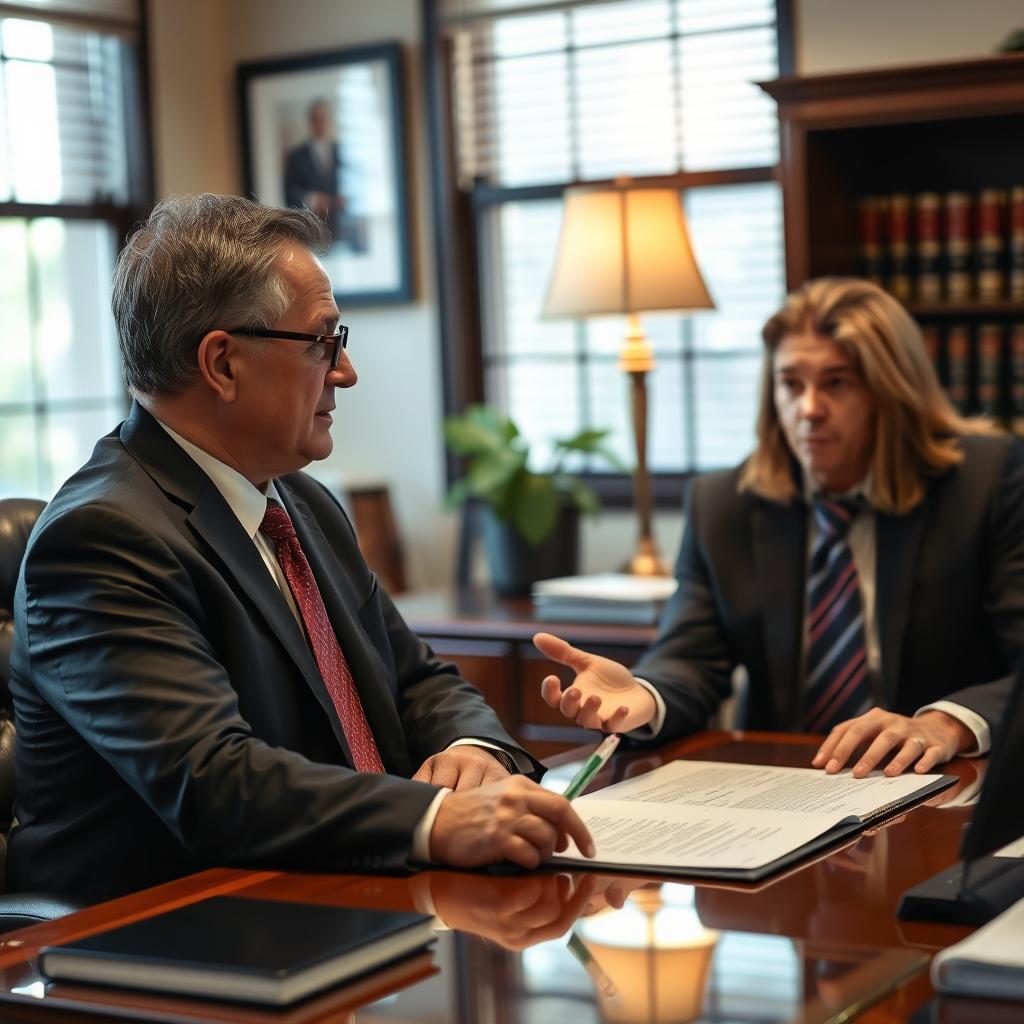
Property Settlement Lawyer King William County, VA
For couples in King William County whose marriage has broken down, the question of who gets what can feel deeply unfair. You may have spent years building a life together — buying a home in West Point, saving for retirement through jobs in Richmond, and raising children in the quiet neighborhoods of Aylett. When separation becomes the only path forward, Virginia law requires that the property you acquired during the marriage be divided equitably, not necessarily equally. Without a clear property settlement agreement, a Circuit Court judge at 351 Courthouse Lane in King William will make those decisions for you, applying the statutory factors under Va. Code § 20‑107.3. The property settlement attorneys at Law Offices Of SRIS, P.C. help clients negotiate and formalize agreements that reflect their unique circumstances. To discuss your situation, reach our Richmond location at (888) 437‑7747. Law Offices Of SRIS, P.C. – Advocacy Without Borders.
How Mr. Sris and His Of Counsel Handle Property Settlements in King William County
In our practice assisting clients through equitable distribution in this part of Virginia, we often see that the hardest disputes are not over the big assets but over items loaded with emotion — the family farm, the boat, the grandmother’s china. Mr. Sris and his Of Counsel team bring extensive combined legal experience to these negotiations, helping you identify what is marital property, what is separate property, and how the court is likely to classify your assets. Because King William County is a rural community where many families own land, timber rights, or family businesses, property division can become factually complex, requiring careful valuation and creative structuring of a separation agreement.
Our approach starts with a thorough inventory of all assets and debts, no matter where they are held. We then apply Virginia’s equitable distribution framework, which considers factors such as the duration of the marriage, each spouse’s contributions (monetary and non‑monetary), and the circumstances that led to the divorce. Mr. Sris, a former prosecutor who founded the firm in 1997, has handled property matters that range from straightforward division of household goods to matters involving investment accounts, pensions, and closely held businesses. Because the firm’s Richmond location serves clients at the King William County courts, we are familiar with local judicial perspectives and can advise you on what a realistic settlement might look like.
What to Expect in a King William County Property Settlement Case
Even if you and your spouse agree on most issues, Virginia requires that a property settlement agreement be in writing, signed by both parties, and notarized before it can be incorporated into a final divorce decree. The King William County Circuit Court, located at 351 Courthouse Lane, handles all divorce and equitable distribution matters. If you have minor children, the Juvenile and Domestic Relations District Court may separately address custody, visitation, and child support, but the division of property remains in the Circuit Court.
The process typically begins with either party filing a divorce complaint. From there, you may engage in discovery — exchanging financial documents such as tax returns, bank statements, and property deeds. Mr. Sris and his Of Counsel help clients navigate this stage, ensuring that hidden assets are identified and that valuations of real estate, retirement accounts, and business interests are accurate. Mediation is available but not mandatory in Virginia, and we often use it to resolve disagreements without the cost and stress of a trial. If an agreement cannot be reached, the judge will decide the division after a hearing, applying the factors set out in Va. Code § 20‑107.3.
Throughout your case, we work to protect your financial future by focusing on the long‑term consequences of any settlement. For example, accepting the house in exchange for giving up a retirement account can create tax liabilities that a fair settlement should address. Our firm’s experience with complex property division allows us to anticipate these issues and propose workable solutions.
Understanding Equitable Distribution in Virginia
Virginia is an equitable distribution state, not a community property state. That means the court will divide marital property in a way it considers fair, which is not always a 50‑50 split. The statute lists eleven factors the judge must weigh, including each spouse’s age, health, and the contributions each made to the acquisition and care of the marital estate. Separate property — assets acquired before the marriage, gifts, or inheritances — is not subject to division, but the commingling of separate and marital funds can complicate classification.
For residents of King William County, certain types of property are especially common: family farms that have been passed down for generations, waterfront property near the Mattaponi or Pamunkey Rivers, and timber or agricultural operations. The valuation of such assets often requires input from forensic accountants or other professionals. Mr. Sris and his Of Counsel have worked on valuations involving unique rural assets and understand the local land market. They can coordinate with the necessary attorneys to ensure that your settlement reflects accurate property values. Results may vary.
About Mr. Sris and His Of Counsel Team
Mr. Sris, Owner and Founder of Law Offices Of SRIS, P.C., has been practicing since 1997. Admitted in Virginia, Maryland, the District of Columbia, New Jersey, and New York, he built the firm on the principle that every client deserves an advocate who listens carefully and explains the law in plain language. His background as a former prosecutor gives him a distinctive perspective on the courtroom dynamics that can arise in contested property disputes, though he always encourages negotiation first.
Mr. Sris’s Of Counsel team includes attorneys with backgrounds in family law, business valuation, and litigation. Together, they bring extensive combined legal experience to property settlement matters. On the record‑keeping side, this team approach means client files are handled efficiently, deadlines are met, and no detail goes overlooked. Whether your case resolves quickly through a signed agreement or requires a trial, you have a dedicated legal team at your side. For more about the firm’s credentials, including Mr. Sris’s legislative testimony on equitable distribution, see the full firm site.
Frequently Asked Questions About Property Settlement in King William County
What is a property settlement agreement in Virginia?
A property settlement agreement, also called a separation agreement, is a written contract that resolves how a divorcing couple will divide their assets, debts, and other financial matters. In Virginia, this agreement must be signed by both spouses and notarized. It can cover property division, spousal support, and other issues. Once signed and accepted by the court, the agreement becomes part of the final divorce decree. Because it is enforceable like any contract, it is essential to have legal guidance to ensure the terms are clear and protect your interests.
Do I need a lawyer for a property settlement in King William County?
You are not legally required to hire a lawyer to negotiate a property settlement, but the risks of proceeding without one can be significant. Virginia’s equitable distribution law is fact‑specific, and small mistakes in classifying or valuing assets can cost you thousands. An experienced lawyer can identify hidden assets, challenge unfair valuations, and draft an agreement that will hold up in court. In King William County, having a local attorney who understands the Circuit Court’s practices can make the process smoother and less stressful.
How does the court divide property in a King William County divorce?
The King William County Circuit Court divides marital property fairly, not necessarily equally, after considering eleven statutory factors. These include the length of the marriage, each spouse’s contributions to the family, and the economic circumstances of each party. Separate property is not divided. If the spouses cannot agree on a settlement, the judge will make the final decision after a hearing where both sides present evidence. The court’s goal is a just distribution, not a punishment of either party.
Can we agree on property division without going to court?
Yes, most property settlements are resolved out of court through a signed separation agreement. As long as the agreement is fair, properly executed, and addresses all marital assets and debts, the court typically will approve it. Mediation can help couples reach an agreement without litigation. Even when negotiations are difficult, a final settlement saves time, money, and the emotional cost of a trial. Our firm works to structure agreements that both sides can live with, reducing the need for a contested hearing.
What if my spouse hides assets in a King William County divorce?
If you suspect your spouse is hiding assets, you should immediately speak with an attorney who can investigate through formal discovery. Virginia requires both spouses to provide full financial disclosure. Bank statements, tax returns, and business records can reveal hidden accounts or undervalued property. If a spouse is found to have concealed assets, the court may award a larger share of the marital estate to the other spouse and impose sanctions. Mr. Sris and his Of Counsel are experienced in identifying and addressing such misconduct.
How long does it take to reach a property settlement in King William County?
The timeline varies depending on the complexity of the assets, the level of cooperation between the spouses, and the court’s schedule. An uncontested agreement can be finalized in a matter of weeks after the divorce complaint is filed, provided the mandatory separation period has been met. Contested matters that require valuations, expert testimony, and a trial can take many months. Our firm keeps clients informed about realistic timeframes based on the specific factors in their case.
Is spousal support part of a property settlement in Virginia?
Spousal support is a separate issue but is often resolved within the same separation agreement. While property division and spousal support are distinct legal concepts, they can affect each other. For example, a larger property award might reduce the need for ongoing support. Virginia courts consider thirteen factors when determining spousal support, including the standard of living established during the marriage and the financial resources of each party. We help clients negotiate both property and support settlements together to create a comprehensive plan.
What happens to retirement accounts in a Virginia property settlement?
Retirement accounts, including 401(k)s, IRAs, and pensions, are generally classified as marital property to the extent they were earned during the marriage. Dividing such accounts often requires a Qualified Domestic Relations Order (QDRO) to avoid tax penalties. The 2019 revision to Va. Code § 20‑107.3(g), supported by Mr. Sris’s testimony before the House Courts of Justice Committee, clarified certain procedural issues related to QDROs. Our firm works with financial professionals to properly value and divide retirement assets so that you do not lose a significant portion to unnecessary taxes or penalties.
For full statutory analysis of Virginia’s property division laws, see our comprehensive review on srislawyer.com.
Call Law Offices Of SRIS, P.C. at (888) 437‑7747 to request a consultation about your property settlement matter in King William County. Our Richmond location serves clients at the King William County Circuit Court and surrounding communities, including West Point and Aylett. We are available by appointment; no walk‑ins.
Attorney advertising. Prior results do not guarantee a similar outcome. Results may vary. case results depend on a variety of factors unique to each case. Mr. Sris, Owner and Founder, is the attorney responsible for this advertising. Law Offices Of SRIS, P.C. is a multi‑state firm admitted in Virginia, Maryland, the District of Columbia, New Jersey, and New York.
Case results depend on a variety of factors unique to each case.