
Visitation Enforcement Lawyer Powhatan County, VA
You followed every step of the parenting plan. You arrived on time for exchanges. You kept your phone on for the scheduled video calls. Then the other parent stopped answering. Weekend after weekend, you waited. The frustration turned to fear—will the court believe you? Will your relationship with your children survive? For parents in Powhatan County, a visitation order is not a hopeful suggestion; it is a court command. When the other parent refuses to comply, you have legal tools to demand enforcement. Law Offices Of SRIS, P.C. Concentrates its practice on family law and represents parents who are being denied court-ordered time with their children. Reach our Richmond location at (888) 437-7747 to request a consultation. Law Offices Of SRIS, P.C. – Advocacy Without Borders.
A Strategy Built Around Your Family
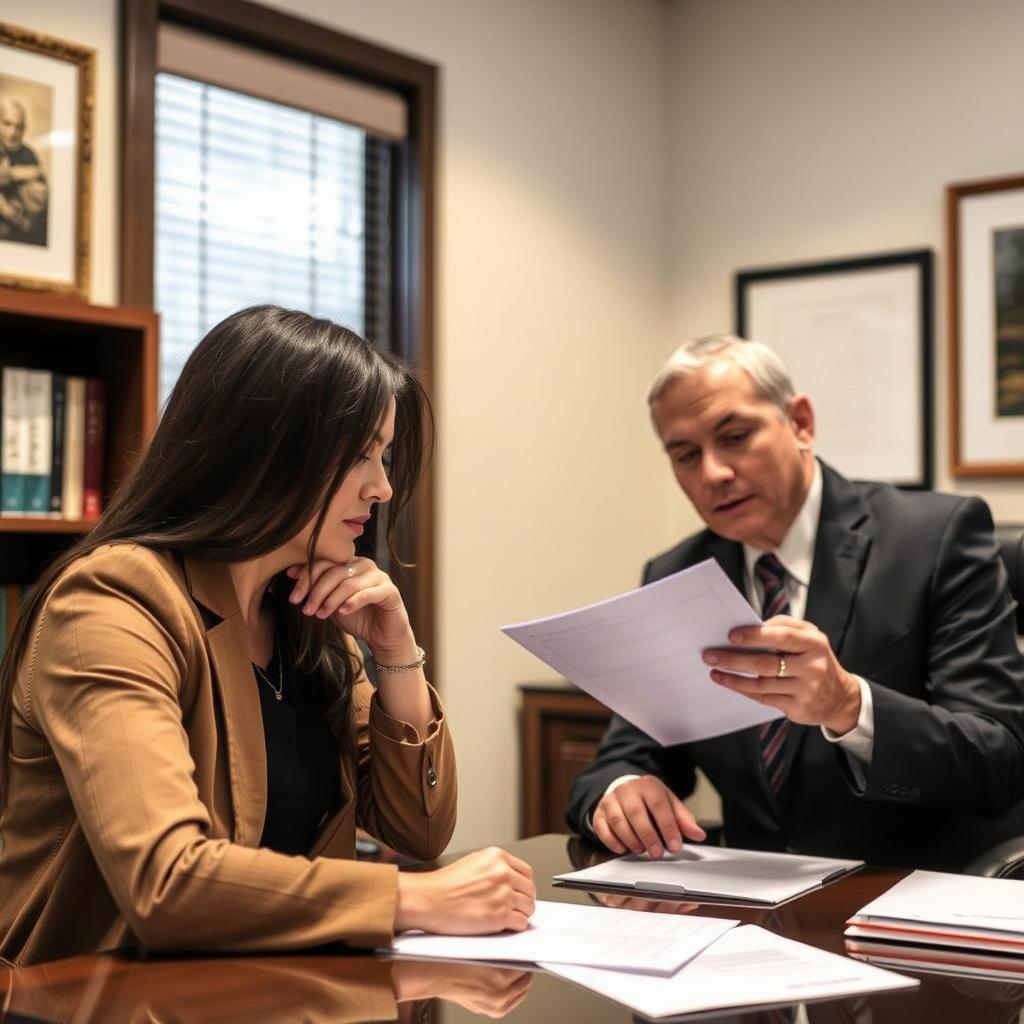
Visitation enforcement in Virginia is not a single-button process. Our firm constructs a strategy tailored to the history of interference and your child’s well‑being. Depending on the facts, the approach may begin with a demand letter reminding the other parent of the court’s authority and the remedies the judge can impose. When informal efforts stall, we prepare a motion for a rule to show cause, asking the Powhatan County Juvenile and Domestic Relations District Court to compel compliance. The court hearing gives you a chance to describe the denied visits, the missed holidays, and the pattern of obstruction. Mr. Sris and his Of Counsel stand beside you at each step, presenting your side clearly so the judge understands what your children have lost.
Virginia law, under Va. Code § 20-124.2, establishes visitation as a right that belongs to the child. Judges in the Twelfth Judicial District take that principle seriously. When one parent repeatedly flouts an order, the court can fashion a remedy that restores parenting time and deters future interference. Our role is to place the facts before the court in a way that moves the judge to act—without unnecessary delay and without escalating conflict any more than the situation demands.
What to Expect When You Seek Enforcement in Powhatan County
Enforcement proceedings typically begin with a motion filed in the Powhatan County Juvenile and Domestic Relations District Court, located at 3834 Old Buckingham Road, Suite C, Powhatan. The court hears standalone custody and visitation matters, while divorce-related visitation issues may be brought before the Circuit Court. After filing, the court issues a summons; the other parent must be served. A hearing is scheduled on the court’s docket, and both sides present evidence. Witnesses may testify, and you may introduce calendars, text messages, or other documentation that shows the missed visits.
During the hearing, the judge looks at the history of the order and the parent’s compliance. If the court finds contempt, it has broad authority to remedy the violation. The court may order make‑up parenting time, award attorney fees to the complaining parent, impose a fine, or in severe or repeated cases modify custody or visitation arrangements to protect the child’s relationship with both parents. The process can feel overwhelming, but you do not walk into the courthouse alone. Mr. Sris and his Of Counsel prepare you for what the judge will ask and make sure your story is heard.
Penalties the Court May Impose for Violating a Visitation Order
When a parent willfully disobeys a visitation order, Virginia courts treat the violation as contempt. The judge may impose sanctions designed both to punish the violation and to correct the behavior. Make‑up visitation is the most common remedy; the court often orders additional weekends, extended holiday time, or summer make‑up periods so the child does not permanently lose meaningful contact. If the violation caused the other parent to incur legal fees, the court can require the violating parent to pay those costs. In cases where the interference is chronic or intentional, the judge may impose a fine. Although jail is an option for contempt, family court judges reserve that remedy for the most egregious refusals. In some circumstances, a pattern of visitation denial can become a factor in a custody modification, shifting primary placement to the parent who supports the child’s relationship with the other side. None of these outcomes is automatic—each depends on the specific facts presented and the judge’s assessment of the evidence. Our firm works to present a compelling record so the court has every reason to act.
About Mr. Sris and His Of Counsel Team
Mr. Sris, Owner and Founder of Law Offices Of SRIS, P.C., has been practicing family law since 1997. His background as a former prosecutor gives him insight into how to present a case persuasively when the stakes involve children and parental rights. Mr. Sris testified before the Virginia House Courts of Justice Committee in support of 2019 HB 635 (chief patron Del. David Bulova). His experience extends across every aspect of family law, from divorce and equitable distribution to enforcement of custody and visitation decrees. He is admitted in Virginia, Maryland, the District of Columbia, New Jersey, and New York.
Mr. Sris is supported by his Of Counsel—attorneys with deep litigation backgrounds, including former assistant state’s attorneys and former law enforcement officers who understand how to examine evidence and build a courtroom record. Mr. Sris and his Of Counsel bring over 120 years of combined legal experience and have achieved 4,739+ documented firm-wide results. Results may vary. A visitation enforcement case benefits from a team that can manage the emotional weight while maintaining the discipline needed to present a legally sound argument. That is the team you place on your side.
Frequently Asked Questions About Visitation Enforcement in Powhatan County
What can a lawyer do if the other parent refuses to follow the visitation schedule?
A lawyer can file a motion for a rule to show cause and ask the Powhatan County Juvenile and Domestic Relations District Court to order the other parent to explain the non-compliance. If the court finds contempt, it may award make‑up visitation time, attorney fees, fines, or other sanctions. A lawyer also gathers your evidence—calendars, text messages, witness accounts—and presents a clear narrative that demonstrates a pattern of denial. The goal is to get the court to enforce the existing order and discourage future violations, so your children receive the parenting time they are entitled to under Virginia law.
How long does it take to enforce a visitation order in Powhatan County?
The timeline varies by court scheduling and the complexity of the case, but parents typically see a hearing set within a few weeks of filing. The judge will decide whether a show cause order should issue and how quickly to set the matter for a hearing. Once heard, the court may rule from the bench or take the matter under advisement. The process for enforcement is generally faster than a full custody trial because the core issue is limited to whether the order has been violated. Our firm works to keep your case moving forward without unnecessary delay.
Do I need an attorney to enforce visitation rights in Virginia?
You are not legally required to have an attorney, but having one significantly improves your ability to present a persuasive case to the court. Without legal representation, you may be at a disadvantage when the other parent is represented or when the judge expects adherence to procedural rules. An experienced family law attorney knows what evidence carries weight in Powhatan County, how to cross‑examine the other parent, and how to frame the argument to focus on the child’s best interests. A lawyer also shields you from direct confrontations that can make an emotional situation worse.
What if the other parent claims I am the one violating the order?
CROSS‑ALLEGATIONS are not uncommon in visitation disputes, and your attorney will assist you in rebutting them with documentation and testimony. The court looks at the entire picture—who has been following the order and who has been interfering. If you have kept records of your attempts to exercise visitation, you can demonstrate your good‑faith compliance. The judge may decide both sides have contributed to the conflict, but the central question remains whether the court’s order is being honored. A sound defense of false accusations often strengthens the request for enforcement.
Can a visitation enforcement motion lead to a change in custody?
Yes, a demonstrated pattern of denying court‑ordered visitation can, in some circumstances, become a factor in a subsequent custody modification petition. A parent who repeatedly interferes with the other parent’s access may be seen as acting contrary to the child’s best interests. The court’s primary concern is preserving the child’s relationship with both parents, and chronic interference can justify altering the custodial arrangement. However, enforcement and modification are separate legal processes, and our firm discusses with you whether raising a modification is appropriate given the facts.
What should I bring to my first meeting with a visitation enforcement lawyer?
Bring the most recent court order, any correspondence with the other parent about visitation denials, a calendar or log showing missed visits, and any evidence of the other parent’s reasons for refusal. Also bring notes about what you tried to do to resolve the problem before seeking court intervention. The more complete your records, the better your attorney can assess the strength of your case. Law Offices Of SRIS, P.C. Typically provides a checklist of helpful documents, but even a handwritten journal can be the starting point for building a compelling motion. For guidance on your specific situation, reach our location at (888) 437-7747.
Additional Virginia Family Law Resources
- For a full statutory breakdown of divorce and family law issues in Virginia, see our comprehensive analysis at srislawyer.com.
- Fairfax County Family Law
- Prince William County Family Law
- Loudoun County Family Law
- Arlington County Family Law
- Chesterfield County Family Law
Outbound primary sources: Virginia Code Title 20 (Domestic Relations) · Powhatan Combined Courts · Virginia Judicial System
Attorney advertising. Prior results do not guarantee a similar outcome. Results may vary.
Case results depend on a variety of factors unique to each case.