
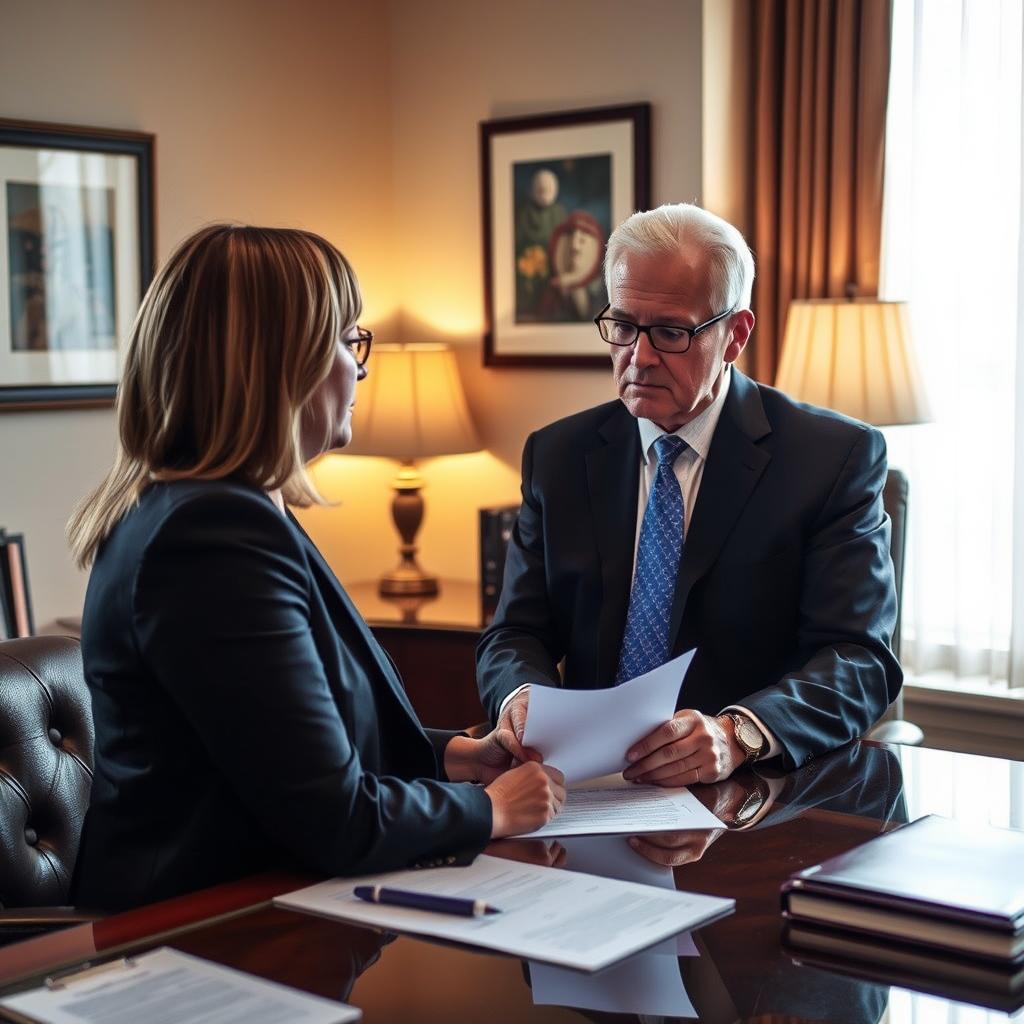
Armed Forces Divorce Lawyer Louisa County, VA
You are on active duty and have just learned your spouse filed for divorce in Louisa County, Virginia. Between deployments, training schedules, and the uncertainty of how military benefits will be divided, the process can feel like navigating unfamiliar terrain without a map. Mr. Sris and his Of Counsel team at Law Offices Of SRIS, P.C. represent service members throughout Louisa County—from Louisa and Mineral to Zion Crossroads—helping them protect their military careers, financial interests, and relationships with their children. If you have been served or are considering filing, reach our firm at (888) 437‑7747 to request a consultation. Law Offices Of SRIS, P.C. – Advocacy Without Borders.
Legal Options for Service Members Facing Divorce in Louisa County
An armed forces divorce introduces layers of federal and state law that a typical family law matter does not. Virginia applies its equitable distribution statute, Va. Code § 20‑107.3, to divide marital property, but the Uniformed Services Former Spouses’ Protection Act (USFSPA) determines how and when a Virginia court may divide military retirement pay. A service member who understands these overlays is better positioned to make informed decisions about settlement or trial.
In Louisa County, the Circuit Court at 100 West Main Street holds exclusive jurisdiction over the divorce itself, including property division and spousal support. Custody, visitation, and child support are heard by the Louisa County Juvenile and Domestic Relations District Court. Because active‑duty service can trigger stays under the Servicemembers Civil Relief Act, a lawyer who knows how to coordinate court dates with deployment schedules is essential. Mr. Sris and his Of Counsel work with service members to evaluate whether a no‑fault separation ground or a fault‑based ground is appropriate, always keeping career implications in focus.
What to Expect in a Louisa County Armed Forces Divorce Proceeding
Your case will begin when a Complaint is filed in the Louisa County Circuit Court. Virginia requires at least six months of domiciliary residency before suit, and the grounds for divorce may be no‑fault—a six‑month separation if there are no minor children and a signed separation agreement, or one year of separation—or fault grounds such as adultery, cruelty, or desertion. Once the Complaint is served, the court may enter pendente lite orders under Va. Code § 20‑103, addressing temporary support, custody, and use of the family residence while the case proceeds.
Discovery in a military divorce often involves obtaining Leave and Earnings Statements and drill pay records. If the service member is deployed or stationed outside Virginia, remote participation and flexible scheduling become critical. Louisa County courts are accustomed to working with out‑of‑area litigants, but advance planning is necessary. Contested matters that involve business valuations or complex retirement accounts can extend the timeline, but most cases settle through negotiation or mediation long before a final hearing.
Financial and Custody Implications of an Armed Forces Divorce
The financial stakes in an armed forces divorce are considerable. Military retired pay is marital property under the USFSPA, and Virginia’s equitable distribution factors will determine how much the civilian spouse receives. The survivor benefit plan, Thrift Savings Plan, and even VA disability payments can become points of contention. Child support is calculated using Virginia’s guidelines, which apply to the service member’s total gross income, including allowances.
Custody arrangements must account for the reality of deployment and temporary duty assignments. Virginia courts base custody decisions on the best interests of the child under Va. Code § 20‑124.3, considering ten statutory factors. A parent who is frequently away may need a family care plan or a deployment‑specific parenting schedule. Mr. Sris and his Of Counsel help service members craft orders that preserve parental rights without interfering with mission readiness, always aiming for a stable, workable outcome for the children.
Experience on Your Side
Mr. Sris, Owner and Founder of Law Offices Of SRIS, P.C., has practiced family law in Virginia since 1997. He is a former prosecutor who understands how to build a clear, persuasive case in court. Mr. Sris testified before the Virginia House Courts of Justice Committee in support of 2019 HB 635 (chief patron Del. David Bulova). Together with his Of Counsel team, he brings over 120 years of combined legal experience and 4,739+ documented firm-wide results to armed forces divorce matters. Results may vary.
The firm serves Louisa County from its Richmond Location at 7400 Beaufont Springs Drive, Suite 300, Room 395, Richmond, VA 23225. All consultations are by appointment; call (888) 437‑7747 to schedule. Mr. Sris is admitted in Virginia, Maryland, the District of Columbia, New Jersey, and New York, allowing him to address multi‑jurisdictional issues that often accompany military divorces.
Frequently Asked Questions
How does a Virginia lawyer defend against an armed forces divorce?
A Virginia lawyer representing a service member in an armed forces divorce evaluates the grounds pleaded, scrutinizes the proposed division of military benefits under the USFSPA, and raises procedural defenses such as lack of residency or improper service when available. The lawyer also coordinates with the service member’s duty station to ensure court appearances do not conflict with deployment orders. If the civilian spouse seeks a disproportionate share of retirement pay, the attorney presents evidence of the service member’s separate contributions and the statutory factors that favor a more balanced division. Every response is crafted to protect the service member’s military career and financial future while pursuing a fair settlement.
What should I do if I am facing an armed forces divorce in Louisa County?
Contact a family law attorney promptly and avoid discussing the details of the case with anyone except your lawyer. Preserve all military pay records, leave and earnings statements, deployment orders, and any existing separation or property agreements. Notify your chain of command only to the extent required by your service regulations. The attorney can file a notice under the Servicemembers Civil Relief Act to stay proceedings if your military duties prevent you from participating. Acting early helps secure temporary orders regarding children and finances that reflect your circumstances.
What are the possible consequences of an armed forces divorce in Virginia?
Consequences may include division of military retirement pay, award of spousal support, child support based on military income, and a custody order that accounts for deployments. The court can order a direct payment of a portion of disposable retired pay under the USFSPA. Child support guidelines apply to the member’s full income, including base pay, housing allowances, and other compensation. Custody orders often require a family care plan to ensure children are cared for during absences. The outcomes depend on the specific facts of the case, the length of the marriage, and the military service overlap.
Is Virginia a community property state?
No, Virginia is an equitable distribution state; marital property is divided fairly but not necessarily evenly. The Louisa County Circuit Court considers eleven factors under Va. Code § 20‑107.3, including each spouse’s monetary and non‑monetary contributions, the duration of the marriage, and the circumstances that led to the divorce. Separate property owned before the marriage or acquired by gift or inheritance remains with the owning spouse. The classification of military retirement pay as marital property is governed by federal law, but the actual division is determined under Virginia’s equitable distribution framework.
How is child custody decided in Louisa County when a parent is in the military?
Child custody in Louisa County is determined by the best interests of the child under Va. Code § 20‑124.3, and the court will consider the military parent’s ability to maintain a meaningful relationship despite deployments. The Louisa County Juvenile and Domestic Relations District Court handles standalone custody matters, while custody embedded in a divorce is litigated in the Circuit Court. The court may require a family care plan designating a caretaker during absences and may order virtual visitation to keep the deployed parent connected. A history of abuse or inability to provide a stable environment are factors that weigh heavily, but active‑duty status alone is not a bar to custody. India is not a signatory to the 1980 Hague Convention on Civil Aspects of International Child Abduction.
Request a Consultation
If you are a service member facing divorce in Louisa County, the decisions you make now will shape your financial and family life for years to come. Mr. Sris and his Of Counsel team are prepared to guide you through the legal process with a focus on protecting your military career and your future. Reach our Richmond Location by calling (888) 437‑7747 to schedule a confidential consultation. For a complete statutory analysis of Virginia divorce law, visit our main site at srislawyer.com.
Law Offices Of SRIS, P.C. — Richmond Location
7400 Beaufont Springs Drive, Suite 300, Room 395
Richmond, VA 23225
(888) 437‑7747
By appointment only.
Attorney advertising. Prior results do not guarantee a similar outcome.
Results may vary.
Case results depend on a variety of factors unique to each case.